Why Sagwajangajji Is Korea’s Soul Food: Full Recipe, Nutrition & Cultural History
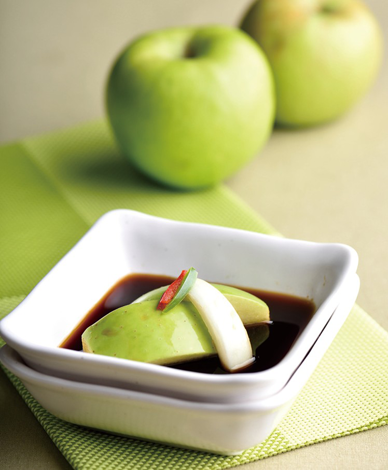
🇰🇷 The recipe below is based on official Korean MFDS (Ministry of Food and Drug Safety) data.
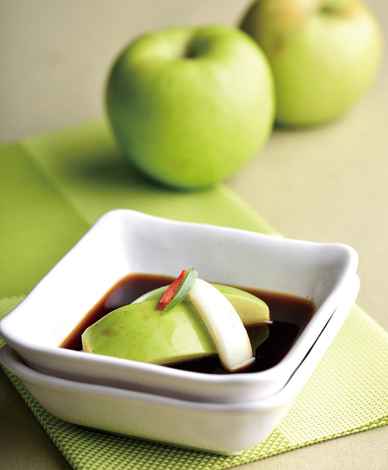
This comprehensive guide on how to make Sagwajangajji (Green Apple Pickle) is based on official MFDS (Ministry of Food and Drug Safety) data, ensuring an authentic and reliable Korean food experience. Sagwajangajji is a delightful Korean side dish offering a unique blend of crisp texture and a sweet-sour, slightly spicy kick, making it a perfect accompaniment to any meal. You’ll learn the precise steps and ingredients to master this traditional Korean recipe, elevating your home cooking with a taste of Korea.
Expert Tips for Making Sagwajangajji
For an authentic Sagwajangajji recipe, attention to detail makes all the difference.
* **Mom’s Tip 1: Apple Preparation is Key.** When slicing the Put-sagwa (green apple), ensure uniform thickness of about 0.5 cm. This allows for even marination and prevents some pieces from becoming too soft while others remain too firm. After slicing, pat the apple pieces dry thoroughly to remove excess moisture; this helps them absorb the sauce better and maintain their satisfying crunch.
* **Mom’s Tip 2: Marinating Time Matters.** While a minimum of 30 minutes in the sauce is good, allowing the Sagwajangajji to marinate for 2-4 hours in the refrigerator will deepen the flavors significantly without making the apples overly soft. For the best taste, prepare it a few hours before serving.
* **Mom’s Tip 3: Adjusting Spice Levels.** If you prefer less heat, reduce the amount of Cheong-gochu (green chili) and Hong-gochu (red chili). Conversely, for more spice, you can add an extra 10g of each chili or include a pinch of Gochugaru (Korean chili powder) to the sauce.
A Glimpse into Sagwajangajji’s History
Jangajji refers to a category of Korean pickles, traditionally made by preserving vegetables or fruits in soy sauce, fermented soybean paste, or chili paste. These pickles were vital for sustenance during harsh winters, allowing families to enjoy fresh produce year-round. While cabbage and radish are common, fruit-based jangajji, like Sagwajangajji, emerged as a way to utilize seasonal produce, particularly tart green apples (Put-sagwa), transforming their sourness into a refreshing and addictive side dish. This method highlights Korean culinary ingenuity in creating balanced flavors from simple, natural ingredients.
Nutrition Facts for Sagwajangajji (Per Serving)
Based on official MFDS data, a single serving of Sagwajangajji (approximately 200g) provides:
* **Calories:** 291.2 kcal
* **Carbohydrates:** 60.5 g
* **Protein:** 3.1 g
* **Fat:** 1.4 g
* **Sodium:** 810 mg
* **Dietary Fiber:** 4.2 g
This dish offers a modest amount of calories and fiber, primarily from the fresh ingredients, making it a relatively light and refreshing addition to your meal.
Essential Ingredients for Sagwajangajji
To make this authentic Sagwajangajji, gather the following ingredients:
* **Fresh Ingredients:**
* Put-sagwa (Green Apple): 200g (about 1 medium green apple)
* Yangpa (Onion): 80g (about ½ small onion)
* Cheong-gochu (Green Chili): 20g (about 2-3 chilies)
* Hong-gochu (Red Chili): 20g (about 2-3 chilies)
* **Jangajji Sauce:**
* Mat-ganjang (Flavored Soy Sauce): 30g (can substitute with regular soy sauce mixed with a pinch of dashi powder)
* Sikcho (Vinegar): 30g (white vinegar or apple cider vinegar works well)
* Seoltang (Sugar): 10g
* Saenggang-cheong (Ginger Syrup): 30g (can substitute with grated ginger mixed with sugar)
* Maesil-cheong (Plum Syrup): 15g (essential for authentic flavor; can substitute with corn syrup and a tiny dash of lemon juice if unavailable)
* Cheongju (Rice Wine): 30g (mirin or sake can be used as alternatives)
Step-by-Step Sagwajangajji Recipe
Follow these precise steps to prepare your homemade Sagwajangajji:
1. **Prepare the Green Apples:** Thoroughly wash 200g of Put-sagwa. Core the apples and slice them into uniform, thin pieces, approximately 0.5 cm thick. Pat them dry with a clean kitchen towel to remove any surface moisture.
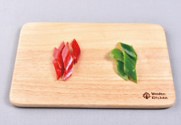
2. **Chop Vegetables:** Peel and thinly slice 80g of Yangpa. Remove the stems from 20g of Cheong-gochu and 20g of Hong-gochu, then slice them diagonally into thin rings.
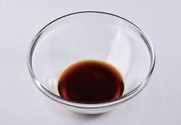
3. **Mix the Sauce:** In a medium bowl, combine all the sauce ingredients: 30g Mat-ganjang, 30g Sikcho, 10g Seoltang, 30g Saenggang-cheong, 15g Maesil-cheong, and 30g Cheongju. Whisk well until the sugar is fully dissolved.
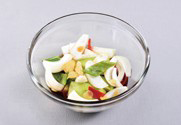
4. **Combine and Marinate:** Add the sliced Put-sagwa, Yangpa, Cheong-gochu, and Hong-gochu to the sauce bowl. Gently toss all ingredients together, ensuring the sauce evenly coats the apples and vegetables.
5. **Chill and Serve:** Transfer the Sagwajangajji to an airtight container. Refrigerate for at least 30 minutes, or ideally 2-4 hours, to allow the flavors to meld. Serve cold as a refreshing side dish.
Frequently Asked Questions (FAQ)
**Q: How long can Sagwajangajji be stored?**
A: When stored in an airtight container in the refrigerator, Sagwajangajji can be enjoyed for up to 3-5 days. Its crispness is best within the first 1-2 days.
**Q: Can I use different types of apples?**
A: While Put-sagwa (green apples) are traditional for their tartness and firm texture, you can experiment with other firm, slightly tart apple varieties like Granny Smith. Avoid softer, sweeter apples as they may not hold up as well and alter the authentic flavor profile.
📸 Recipe Gallery
📺 For reference, here’s a recommended YouTube video related to “사과장아찌”.
📹 Video sourced via YouTube. All rights belong to the respective creator.