Unlock the Secret of Tomato Haemulnurungjitang: Authentic Flavors from South Korea’s MFDS Data
🇰🇷 The recipe below is based on official Korean MFDS (Ministry of Food and Drug Safety) data.
This guide, based on official MFDS (Ministry of Food and Drug Safety) data, presents an authentic Tomato Haemulnurungjitang (Tomato Seafood Scorched Rice Soup) recipe. This unique Korean dish blends robust seafood flavors with comforting nurungji (scorched rice) and bright, tangy tomato. It’s a satisfying meal, perfect for a warm, savory, and distinct experience. Learn how to make Tomato Haemulnurungjitang for your kitchen.
History of Tomato Haemulnurungjitang
Haemulnurungjitang is a Korean comfort food: savory seafood soup thickened with nurungji. The tomato addition reflects modern culinary fusion, adding refreshing acidity and umami depth to the rich seafood broth. This contemporary evolution reinterprets traditional Korean ingredients for new culinary experiences, appealing to palates that appreciate both familiarity and innovation.
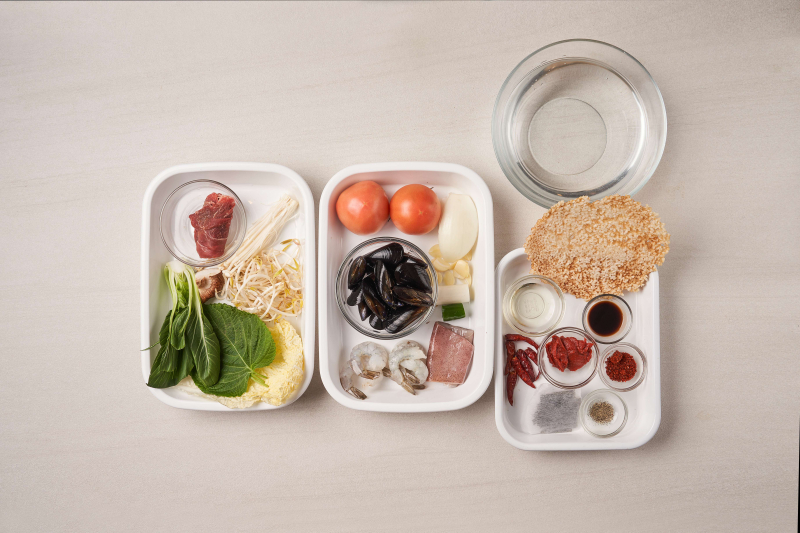
Ingredients for 2 Servings
This recipe uses precise measurements from official MFDS data.
* **Convenience Ingredients:**
* Napa Cabbage: 40g (Sub: Savoy cabbage)
* Beef Brisket: 50g (Sub: Thinly sliced pork)
* Perilla Leaves: 5g (Sub: Spinach)
* Bok Choy: 25g (Sub: Leafy greens)
* Enoki Mushrooms: 20g (Sub: Oyster mushrooms)
* Shiitake Mushrooms: 5g (Sub: Cremini mushrooms)
* Bean Sprouts: 30g (Sub: Mung bean sprouts)
* **Additional Ingredients:**
* Squid: 30g (cleaned, sliced)
* Shrimp: 40g (peeled, deveined)
* Mussels: 164g (cleaned)
* Dried Vietnamese Chili: 10g (Sub: Dried red chilies)
* Tomato: 250g (diced, approximately 1 large)
* Cheongyang Chili: 4g (sliced, Sub: Jalapeno)
* Onion: 50g (sliced)
* Green Onion (white part): 10g (sliced)
* Sliced Garlic: 10g (approximately 2-3 cloves)
* Commercial Nurungji (Scorched Rice): 50g
* Tomato Paste: 20g
* Cooking Oil: 10g
* Soy Sauce: 5g
* Gochugaru (Korean Chili Flakes): 6g
* Black Pepper: 3g
* Dashipack (Dried Anchovy & Kelp Broth Pack): 20g
* Water: 800g (4 cups)
Nutrition (Per Serving)
Based on official MFDS data, one serving provides:
* **Calories**: 238.9 kcal
* *Note*: Macronutrient details may vary based on specific ingredient proportions.
How to Make Tomato Haemulnurungjitang
Follow these steps for an authentic and flavorful experience.
1. **Prepare Broth**: In a pot, combine 800g water and 20g dashipack. Bring to a boil, then simmer for 15-20 minutes to create a rich broth. Remove the dashipack.
2. **Sauté Aromatics**: Heat 10g cooking oil in a large pan or wok over medium heat. Sauté 10g sliced green onion (white part), 10g sliced garlic, 50g sliced onion, and 10g dried Vietnamese chili for 2-3 minutes until fragrant.
3. **Add Flavor Base**: Stir in 20g tomato paste, 6g gochugaru, 5g soy sauce, and 3g black pepper. Cook for another 1-2 minutes, stirring constantly.
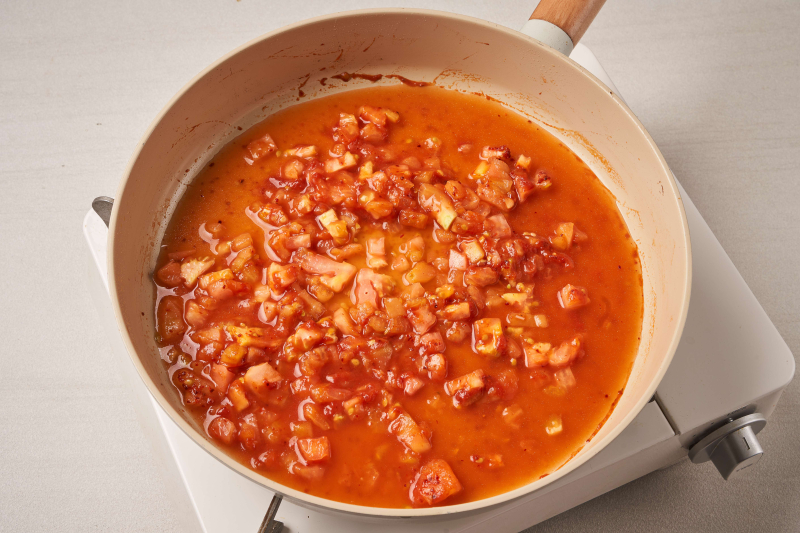
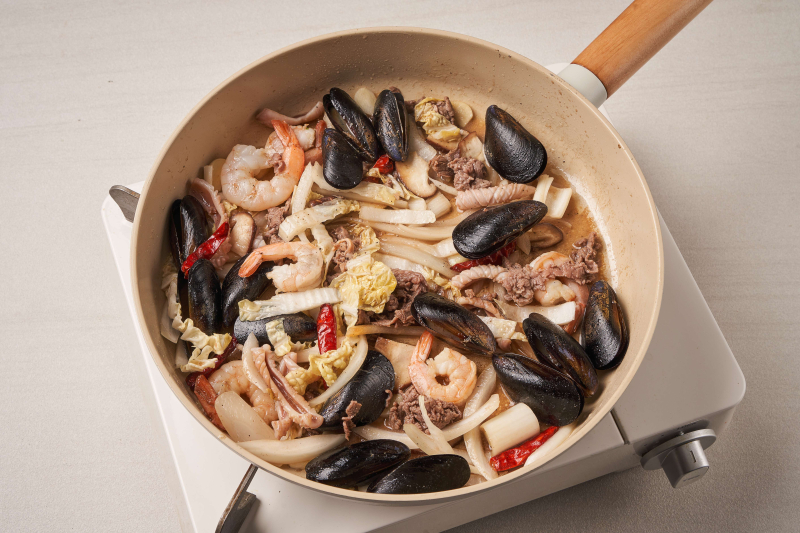
4. **Introduce Main Ingredients**: Add 250g diced tomato, 30g squid, 40g shrimp, and 164g mussels to the pan. Cook for 3-5 minutes until the seafood starts to firm up.
5. **Simmer Soup**: Pour the prepared broth into the pan. Bring the mixture to a boil, then reduce heat and simmer for 5-7 minutes, allowing the flavors to meld.
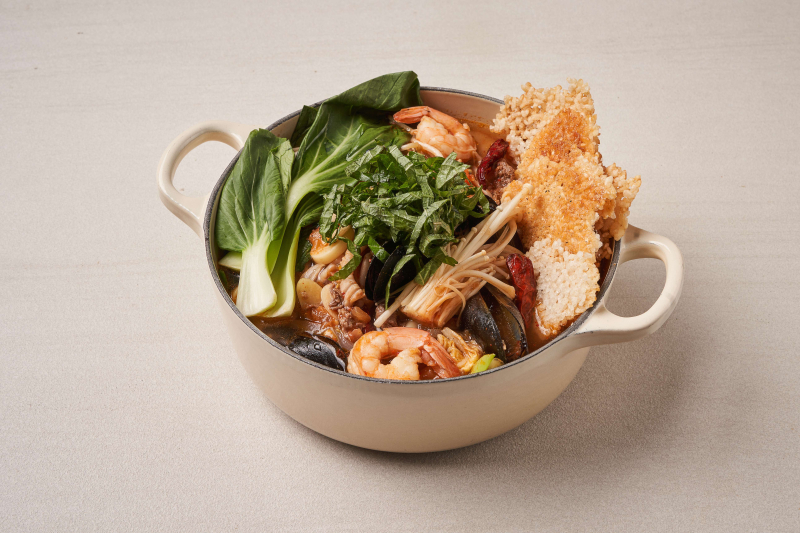
6. **Add Vegetables & Nurungji**: Stir in 40g napa cabbage, 50g beef brisket, 25g bok choy, 20g enoki mushrooms, 5g shiitake mushrooms, 30g bean sprouts, 4g cheongyang chili, and 50g commercial nurungji. Cook for another 3-4 minutes, or until vegetables are tender-crisp and nurungji softens slightly.
7. **Finish**: Just before serving, stir in 5g perilla leaves. Ladle the Tomato Haemulnurungjitang into bowls.
Mom’s Tips for Perfection
* **Nurungji Texture**: For a delightful contrast, add the nurungji a few minutes before serving. This prevents it from becoming overly soggy, maintaining some of its chewy texture.
* **Seafood Timing**: Avoid overcooking the seafood. Mussels and shrimp cook quickly; adding them too early can make them tough. Cook until just done.
* **Broth Depth**: Simmering the dashipack broth for the full 20 minutes extracts maximum flavor, which is crucial for the soup’s depth.
FAQ
**Q: Can I use fresh tomatoes instead of diced canned tomatoes?**
A: The recipe specifies 250g diced fresh tomato. Using ripe fresh tomatoes will yield the best flavor and acidity.
**Q: What if I don’t have a dashipack?**
A: You can prepare homemade dashi by simmering dried anchovies and kombu (dried kelp) in water for 15-20 minutes, then straining. A good quality vegetable or seafood broth can also be used.
📸 Recipe Gallery
📺 For reference, here’s a recommended YouTube video related to “토마토 해물누룽지탕”.
📹 Video sourced via YouTube. All rights belong to the respective creator.