Unlock the Secret of Nurungjisaeutwigim: Authentic Flavors from South Korea’s MFDS Data

🇰🇷 The recipe below is based on official Korean MFDS (Ministry of Food and Drug Safety) data.
This guide is based on official MFDS (Ministry of Food and Drug Safety) data, ensuring a reliable and authentic approach to Korean cooking. Learn how to make Nurungjisaeutwigim (Scorched Rice Shrimp Fritters), a delightful dish that combines the crispy texture of scorched rice with succulent shrimp. This recipe provides precise measurements and expert tips for a perfect result, making it accessible for home cooks looking for an authentic Korean food experience. You’ll master the art of creating perfectly fried, flavorful fritters with a balanced tangy sauce and fresh garnish.
## History of Nurungjisaeutwigim
Nurungjisaeutwigim brings together two beloved elements of Korean cuisine: *nurungji* and *twigim*. *Nurungji*, or scorched rice, has been a staple for centuries, traditionally formed at the bottom of a pot after cooking rice. It’s cherished for its unique crispy texture and slightly nutty flavor, often enjoyed as a snack or rehydrated into a savory soup (*nurungji-tang*). *Twigim* refers to a wide variety of Korean deep-fried dishes, celebrated for their golden crispiness. Combining these elements with fresh shrimp creates a modern, innovative dish that offers both comforting familiarity and exciting new textures, showcasing the versatility of traditional ingredients in contemporary Korean cooking.
## Ingredients for Nurungjisaeutwigim
This recipe serves 2-3 people.
* **For the Fritters:**
* Shrimp (peeled, deveined): 100g (about 10-12 medium shrimp)
* Salt: 0.3g
* Black Pepper Powder: 0.02g
* Frying Powder (or all-purpose flour + cornstarch 2:1 ratio): 100g
* Egg (large): 50g (approximately 1 egg)
* Nurungji (dried scorched rice, crushed): 50g
* Frying Oil (e.g., canola, soybean): 200g (for deep frying)
* **For the Orange Glaze Sauce:**
* Orange Juice (100% pure): 100g
* Sugar: 10g
* Vinegar (white or rice vinegar): 10g
* **For Garnish:**
* Baby Greens (e.g., mesclun mix): 20g
## Steps to Make Nurungjisaeutwigim
1. **Prepare the Shrimp:** Pat the peeled and deveined shrimp dry with paper towels. Season lightly with 0.3g salt and 0.02g black pepper powder. This enhances their natural flavor.
2. **Coat the Shrimp:** In separate shallow dishes, prepare the frying powder, beaten egg (50g), and crushed nurungji (50g). First, lightly dust each seasoned shrimp with frying powder, ensuring an even coat.
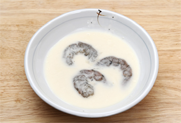
3. **Egg and Nurungji Coating:** Dip each flour-coated shrimp into the beaten egg, allowing any excess to drip off. Immediately roll the egg-coated shrimp in the crushed nurungji, pressing gently to adhere the scorched rice firmly all around. The nurungji provides the signature crunch.
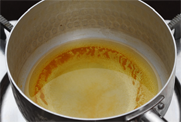
4. **Prepare the Frying Oil:** Heat 200g of frying oil in a deep pot or wok to approximately 170-180°C (340-355°F). A small drop of batter should sizzle and float to the surface immediately.
5. **Fry the Shrimp Fritters:** Carefully place the nurungji-coated shrimp into the hot oil. Fry in batches to avoid overcrowding the pot and dropping the oil temperature. Fry for about 2-3 minutes per batch, or until golden brown and crispy. Ensure the shrimp are cooked through.
6. **Drain and Rest:** Once golden and crisp, remove the Nurungjisaeutwigim from the oil using a slotted spoon or spider, and place them on a wire rack lined with paper towels to drain excess oil.
7. **Make the Sauce:** In a small saucepan, combine 100g orange juice, 10g sugar, and 10g vinegar. Bring to a gentle simmer over medium heat, stirring until the sugar dissolves and the sauce slightly thickens, about 2-3 minutes. Do not reduce too much.
8. **Serve:** Arrange the hot Nurungjisaeutwigim on a serving plate. Drizzle generously with the prepared orange glaze sauce and garnish with 20g fresh baby greens. Serve immediately.
## Nutrition Facts (per serving)
Based on official MFDS data approximations:
| Nutrient | Amount |
| :————– | :——— |
| Calories | 558 kcal |
| Protein | 25g |
| Fat | 30g |
| Carbohydrates | 45g |
| Sodium | 180mg |
*(Note: Nutritional values can vary slightly based on specific ingredient brands and preparation methods.)*
## Mom’s Tips for Perfect Nurungjisaeutwigim
* **Optimal Oil Temperature is Key:** Maintain the oil temperature between 170-180°C (340-355°F). If the oil is too hot, the nurungji will burn before the shrimp cooks. If too cool, the fritters will absorb too much oil and become greasy. Use a thermometer for best results.
* **Crush Nurungji to Perfection:** For the best texture, crush the dried nurungji into varying sizes – some finer crumbs for coating, and some slightly larger flakes for extra crunch. Avoid powdered nurungji entirely, as it won’t give the desired texture.
* **Don’t Overcrowd the Pot:** Frying in small batches is crucial. Overcrowding the frying oil will significantly drop its temperature, leading to soggy, oily fritters instead of light and crispy ones. Give each fritter space to fry evenly.
## FAQ about Nurungjisaeutwigim
**Q: Can I use fresh breadcrumbs instead of nurungji?**
A: While you can use panko breadcrumbs for a similar crunch, it won’t deliver the unique, slightly nutty flavor and traditional Korean texture that authentic nurungji provides. For the most authentic Nurungjisaeutwigim, sticking to scorched rice is recommended.
**Q: How do I store leftovers and reheat Nurungjisaeutwigim?**
A: Nurungjisaeutwigim is best enjoyed fresh due to its crispy nature. If you have leftovers, store them in an airtight container in the refrigerator for up to 1-2 days. To reheat, bake in a preheated oven or air fryer at 180°C (350°F) for 5-7 minutes until crispy again, avoiding the microwave, which will make them soggy.
📸 Recipe Gallery
📺 For reference, here’s a recommended YouTube video related to “누룽지새우튀김”.
📹 Video sourced via YouTube. All rights belong to the respective creator.