Unlock the Secret of Chaesoeomuk: Authentic Flavors from South Korea’s MFDS Data
🇰🇷 The recipe below is based on official Korean MFDS (Ministry of Food and Drug Safety) data.
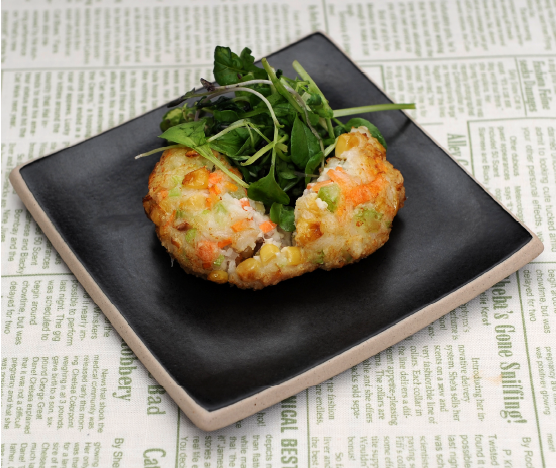
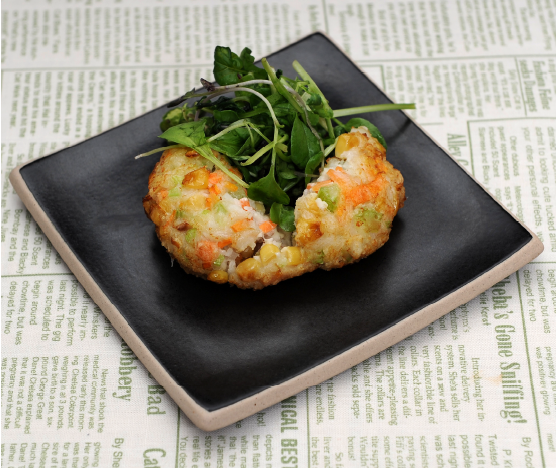
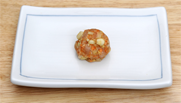
This guide, based on official MFDS (Ministry of Food and Drug Safety) data, presents an authentic Chaesoeomuk recipe. Chaesoeomuk (Vegetable Fish Cake) is a beloved Korean dish, offering a delightful and nutritious twist on traditional eomuk. This comprehensive post will teach you how to make Chaesoeomuk, providing a flavorful snack or versatile side dish perfect for all ages, from children to adults.
## History of Korean Fish Cakes (Chaesoeomuk)
Eomuk, the broader category of Korean fish cakes, boasts a rich culinary history, with its origins potentially traceable back to the Joseon Dynasty. Initially considered a royal delicacy, eomuk transitioned into a staple food item, particularly gaining widespread popularity after the Korean War due to its affordability and versatility as a protein source. Chaesoeomuk represents a modern evolution of this classic. It consciously incorporates various fresh vegetables, enhancing both its nutritional profile and vibrant flavor, making it a healthier and more appealing option for contemporary families. This vegetable-infused variant reflects a broader trend in Korean cuisine towards lighter, more ingredient-focused dishes that prioritize well-being without sacrificing taste.
## Essential Ingredients for Chaesoeomuk
This specific recipe details ingredients for one serving, crafted for optimal freshness and taste.
* **Minced Fish (Saengseonsal): 100g** – White fish fillets like pollock or cod are ideal for their mild flavor and firm texture.
* **Mirin (Matseul): 10g** – A sweet rice cooking wine that helps tenderize the fish and remove any unwanted fishy odors.
* **Ginger (Saenggang): 10g, finely minced** – Adds a warm, pungent aroma that complements the fish.
* **Salt (Sogeum): 0.2g** – Essential for seasoning and bringing out the natural flavors.
* **All-purpose Flour (Milgaru): 20g** – Acts as a binder, helping the fish cakes hold their shape during cooking.
* **Onion (Yangpa): 20g, finely diced** – Provides a subtle sweetness and aromatic depth.
* **Carrot (Danggeun): 20g, finely diced** – Adds natural sweetness, vibrant color, and a slight crunch.
* **Celery (Saelleori): 10g, finely diced** – Contributes a unique freshness and aromatic note.
* **Garlic (Maneul): 10g, minced** – A fundamental Korean aromatic, enhancing overall savory flavor.
* **Sweet Corn (Oksusu): 20g, kernels** – Offers bursts of sweetness and a pleasing texture. Canned or fresh corn works well.
* **Mild Cheese (Eorinichi Jeujeu): 20g, grated or finely diced** – A “children’s cheese” or a mild cheddar/mozzarella adds a creamy texture and savory richness, making it particularly appealing.
* **Frying Oil (Twigim Gireum): 400g** – Vegetable oil or canola oil is suitable for deep-frying, providing a crispy exterior.
## How to Make Chaesoeomuk: A Step-by-Step Guide
Follow these precise steps to prepare delicious and authentic Chaesoeomuk at home:
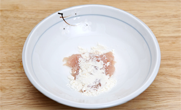
1. **Prepare Fish Mixture:** In a generously sized mixing bowl, combine the minced fish, mirin, finely minced fresh ginger, and the exact measure of salt. Mix all ingredients thoroughly by hand or with a sturdy spoon until the mixture is cohesive and develops a slightly sticky consistency, indicating proper binding.
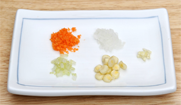
2. **Incorporate Dry and Fresh Ingredients:** Gradually sprinkle the all-purpose flour over the fish mixture, folding it in gently until it is just combined. Avoid overmixing. Next, carefully fold in the finely diced onion, carrot, celery, minced garlic, sweet corn kernels, and the grated mild cheese. Ensure even distribution of all vegetables throughout the fish cake base.
3. **Shape the Fish Cakes:** Take small, consistent portions of the prepared mixture, approximately 30-40g each. Gently form them into oval or round patty shapes, aiming for a uniform thickness of about 1 cm. Press them firmly to ensure they are compact and will not disintegrate during the frying process.
4. **Heat Frying Oil:** Pour 400g of your chosen frying oil into a deep pot or wok. Heat the oil to a precise temperature range of 170-180°C (340-355°F). You can test the oil temperature by dropping a tiny piece of the fish cake mixture; it should immediately sizzle vigorously.
5. **Deep-Fry Chaesoeomuk:** Carefully lower the shaped Chaesoeomuk into the preheated oil, ensuring not to overcrowd the pot. Fry for approximately 3-5 minutes, turning them occasionally to achieve even cooking and a beautiful golden-brown crust. Confirm the internal temperature is safe for fish consumption.
6. **Drain and Serve:** Using a slotted spoon or spider strainer, carefully remove the cooked Chaesoeomuk from the hot oil. Transfer them to a wire rack lined with paper towels to effectively drain any excess oil. Serve the Chaesoeomuk warm, either plain or accompanied by your favorite gochujang-based or soy-ginger dipping sauce.
## Nutrition Information (Based on MFDS Data)
Based on official MFDS data, a single serving of this Chaesoeomuk recipe provides:
* **Calories:** 382.5 kcal
This dish offers a significant source of high-quality protein from the fish, coupled with essential vitamins, dietary fiber, and minerals contributed by the diverse range of fresh vegetables included.
## Mom’s Practical Tips for Perfect Chaesoeomuk
* **Optimal Fish Texture:** Achieving the ideal texture is paramount. Use very finely minced fish, or if starting with fillets, pulse them quickly in a food processor until a smooth paste forms. Crucially, once the flour is added, mix minimally to prevent a tough texture.
* **Consistent Frying Temperature:** Maintaining the specified oil temperature of 170-180°C is vital for perfectly cooked fish cakes. Oil that is too cool will result in greasy, oil-logged cakes, while excessively hot oil will cause them to brown too quickly on the outside, leaving the interior undercooked. Use a thermometer for accuracy.
* **Vegetable Customization:** While our recipe specifies a selection, feel free to experiment with other finely chopped, low-moisture vegetables such as zucchini, finely diced bell peppers, or even rehydrated mushrooms. Always ensure they are finely diced to integrate well and cook through.
## Frequently Asked Questions (FAQ)
**Q: Can Chaesoeomuk be prepared using alternative cooking methods like baking or air-frying?**
A: Absolutely! While deep-frying imparts the most traditional crispy texture, you can opt for baking or air-frying for a lighter alternative. For baking, lightly brush the patties with oil and bake at 190°C (375°F) for 15-20 minutes, flipping them halfway through. For air-frying, set your appliance to 180°C (350°F) and cook for 10-15 minutes, shaking the basket periodically.
**Q: What is the best way to store and reheat any leftover Chaesoeomuk?**
A: Cooked Chaesoeomuk can be stored efficiently in an airtight container within the refrigerator for up to 3 days. To reheat, gently warm them in a dry pan, oven, or air fryer until thoroughly heated. They are also suitable for freezing for up to one month; reheat directly from frozen, though you might notice a slightly softer texture compared to freshly made.
📸 Recipe Gallery
📺 For reference, here’s a recommended YouTube video related to “채소어묵”.
📹 Video sourced via YouTube. All rights belong to the respective creator.