Bajiraksilgonyakpaseuta Recipe: Everything You Need to Know About This Iconic Korean Dish
🇰🇷 The recipe below is based on official Korean MFDS (Ministry of Food and Drug Safety) data.
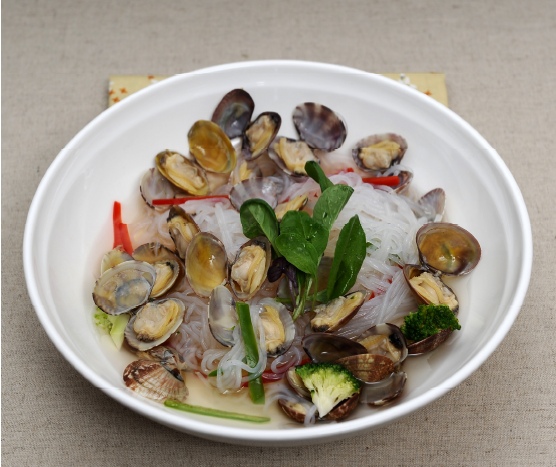
This guide is based on official MFDS (Ministry of Food and Drug Safety) data, offering an authentic recipe for Bajiraksilgonyakpaseuta (Clam Konjac Noodle Pasta). This light and flavorful Korean dish expertly combines the fresh taste of clams with the unique, healthy texture of konjac noodles. You’ll learn precisely how to make Bajiraksilgonyakpaseuta, ensuring both deliciousness and nutritional balance. It’s a perfect option for a healthier, carb-conscious meal.
## Nutrition of Bajiraksilgonyakpaseuta
This dish is designed for a light and balanced meal, ideal for health-conscious eaters.
* Calories: 53.5 kcal (per serving, based on official MFDS data)
Bajiraksilgonyakpaseuta provides protein from clams and fiber from vegetables and konjac, making it a satisfying yet low-calorie choice.
## History of Bajiraksilgonyakpaseuta
Bajiraksilgonyakpaseuta (Clam Konjac Noodle Pasta) is a modern Korean fusion dish. It creatively adapts Western “pasta” concepts using traditional Korean ingredients and health-focused preferences. Its rise in popularity reflects a growing demand for lighter, carb-controlled meals without compromising flavor. Silgonyak, or konjac noodles, have a long history in Asian cuisine for their dietary benefits. Their integration into a savory clam sauce creates a uniquely Korean “pasta,” showcasing contemporary Korean home cooking that blends health and convenience.
## Ingredients for Authentic Bajiraksilgonyakpaseuta
This recipe provides precise measurements for optimal flavor and nutrition, derived from official MFDS guidelines.
* Bajirak (Clams): 100g (fresh or frozen, cleaned)
* Silgonyak (Konjac Noodles): 100g (rinsed and drained)
* Broccoli: 20g (florets, finely chopped)
* Paprika (Bell Pepper): 20g (any color, thinly sliced)
* Cheongyang Gochu (Cheongyang Chili Pepper): 10g (sliced; substitute with serrano or skip for mild)
* Garlic: 10g (minced)
* Olive Oil: 5g
* Salt: 2g
* Black Pepper Powder: 0.1g
* Eorinsak (Microgreens/Sprouts): 10g (for garnish; substitute with fresh parsley or cilantro)
## Expert Tips for Bajiraksilgonyakpaseuta
These “Mom’s tips” will help you achieve perfect results every time.
* **Clam Soaking**: Always soak fresh clams in salted water for 30-60 minutes before cooking. This helps them expel sand. Scrub shells under running water.
* **Konjac Prep**: Silgonyak noodles can have a slight odor. Rinse them thoroughly under cold water for several minutes, then blanch briefly (1-2 minutes) in boiling water. Drain well; this improves texture and absorption.
* **Gentle Seasoning**: Clams naturally release brine. Season with salt towards the end of cooking, tasting first, to avoid over-salting the dish.
## Steps to Make Bajiraksilgonyakpaseuta
Follow these clear steps to create this delicious, light Korean dish.
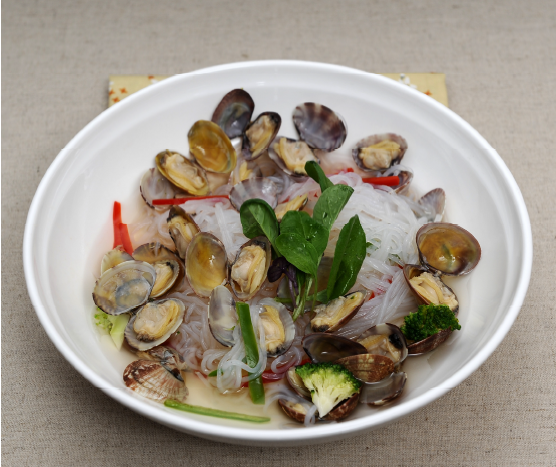
1. **Prepare Noodles**: Rinse 100g silgonyak noodles thoroughly under cold water. Blanch in boiling water for 1-2 minutes, then drain and set aside.
2. **Sauté Aromatics**: Heat 5g olive oil in a pan over medium heat. Add 10g minced garlic and sauté until fragrant, about 30 seconds.
3. **Add Vegetables & Clams**: Stir in 20g broccoli and 20g paprika. Sauté for 2-3 minutes until slightly tender-crisp. Add 100g cleaned bajirak and 10g sliced Cheongyang Gochu.
4. **Cook Clams**: Cover the pan and cook for 3-5 minutes until all clams open. Discard any unopened ones.
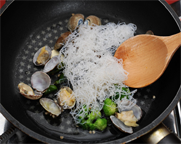
5. **Combine & Season**: Add the blanched silgonyak noodles to the pan. Season with 2g salt and 0.1g black pepper. Toss gently to coat noodles with the clam sauce and vegetables. Cook for 1-2 minutes to meld flavors.
6. **Serve**: Transfer to a serving plate. Garnish with 10g eorinsak. Serve immediately.
## Frequently Asked Questions (FAQ)
**Q: Can I use other types of noodles instead of silgonyak?**
A: While silgonyak is crucial for the dish’s low-calorie profile and unique texture, you can substitute with glass noodles (dangmyeon) or whole wheat pasta. Note this will change the nutritional information.
**Q: How do I store Bajiraksilgonyakpaseuta leftovers?**
A: Best enjoyed fresh. Store leftovers in an airtight container in the refrigerator for up to 1 day. Reheat gently on the stovetop with a splash of water or broth to prevent drying.
📸 Recipe Gallery
📺 For reference, here’s a recommended YouTube video related to “바지락실곤약파스타”.
📹 Video sourced via YouTube. All rights belong to the respective creator.