Maesilsoseureul Gyeotdeulin Dwaejigogimandu Recipe: Everything You Need to Know About This Iconic Korean Dish
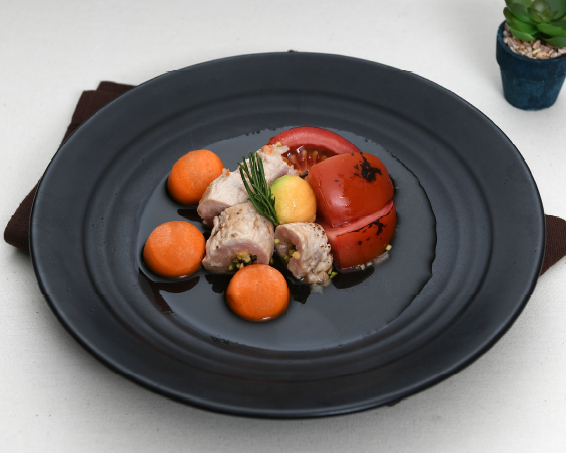
🇰🇷 The recipe below is based on official Korean MFDS (Ministry of Food and Drug Safety) data.
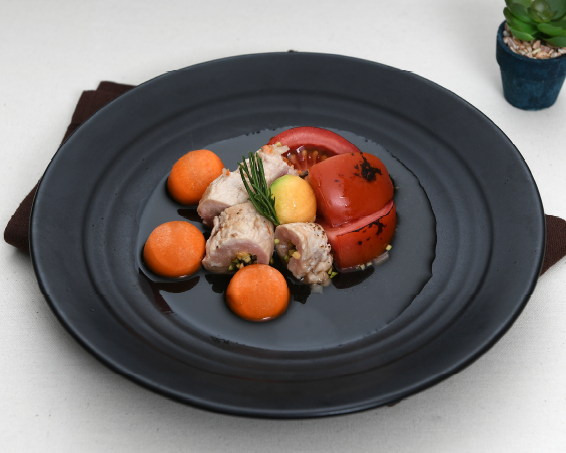
This guide, offering a detailed Maesilsoseureul Gyeotdeulin Dwaejigogimandu recipe, is based on official MFDS (Ministry of Food and Drug Safety) data, ensuring authenticity and precise ingredient measurements. You’ll learn how to make Maesilsoseureul Gyeotdeulin Dwaejigogimandu, a delightful Korean dish that beautifully balances savory and sweet notes. Maesilsoseureul Gyeotdeulin Dwaejigogimandu (Pork Dumplings with Plum Sauce) is a unique and flavorful twist on traditional Korean mandu, perfect for those seeking an authentic culinary experience with a refreshing fruity tang.
### Cultural and Regional Significance
Mandu, or Korean dumplings, have a rich history in Korean cuisine, tracing back centuries. Traditionally enjoyed during festive occasions like Seollal (Lunar New Year) and Chuseok (Harvest Festival), mandu symbolize good fortune and prosperity. While many regions have their own mandu variations, the distinctive addition of maesil (Korean plum) extract in the sauce for this particular dish elevates it beyond the ordinary. Maesil-aek, a sweet and tangy syrup made from green plums, is a cherished ingredient in Korean cooking, known for its digestive benefits and ability to cut through richness, creating a wonderfully balanced flavor profile. This particular recipe highlights a creative integration of traditional mandu with a contemporary Korean sauce, offering a harmonious blend of flavors.
### Ingredients
Based on official MFDS data, the core components and precise amounts for this recipe are:
* Pork tenderloin (Dwaejigogi ansim): 120g, minced
* Glass noodles (Dangmyeon): 50g, soaked and chopped
* Korean zucchini (Aehobak): 1/2 pc (approx. 150g), finely diced
* Carrot (Danggeun): 30g, finely diced
* Shiitake mushrooms (Pyogobeoseot): 20g, rehydrated and finely diced
* Wood ear mushrooms (Mogibeoseot): 10g, rehydrated and finely diced
* Onion (Yangpa): 50g, finely diced
* Garlic (Maneul): 20g, minced
* Tomato (Tomato): 100g, finely diced (for sauce)
* Maesil-aek (Plum extract): 50g (for sauce)
* Black pepper (Huchutgaru): 0.2g
**Additional supporting ingredients:**
* Mandu wrappers: 25-30 pcs
* Soy sauce: 15g
* Sesame oil: 5g
* Salt: 2g
* Ginger: 5g, minced (optional, for filling)
* Water: For steaming/boiling
* Olive oil: For pan-frying (optional)
### Nutrition Information
This nutrition data is based on official MFDS analysis for one serving:
| Nutrient | Amount |
| :————– | :———– |
| Calories | 183.4 kcal |
| Protein | 10.3 g |
| Fat | 5.8 g |
| Saturated Fat | 2.1 g |
| Carbohydrates | 22.8 g |
| Sugars | 8.7 g |
| Sodium | 291.5 mg |
### Cooking Steps
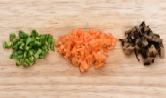
1. **Prepare the filling:** In a large bowl, combine the minced pork, soaked and chopped glass noodles, finely diced Korean zucchini, carrot, shiitake mushrooms, wood ear mushrooms, onion, and minced garlic. Add soy sauce (15g), sesame oil (5g), salt (2g), black pepper (0.2g), and optional minced ginger (5g). Mix thoroughly until all ingredients are well combined.
2. **Wrap the mandu:** Take a mandu wrapper and place about 1 tablespoon of the filling in the center. Lightly moisten the edges of the wrapper with water. Fold the wrapper in half to create a half-moon shape, pressing the edges firmly to seal. You can create small pleats along the sealed edge for a decorative finish. Repeat with the remaining wrappers and filling.
3. **Cook the mandu:** You can steam, boil, or pan-fry the mandu.
* **Steaming:** Place mandu in a steamer basket lined with parchment paper, ensuring they don’t touch. Steam for 8-10 minutes over high heat until cooked through.
* **Boiling:** Bring a pot of water to a rolling boil. Carefully drop mandu into the water and cook for 5-7 minutes, or until they float to the surface and are plump.
* **Pan-frying (for crispy bottom):** Heat a drizzle of olive oil in a non-stick pan over medium heat. Place mandu in the pan and cook for 2-3 minutes until bottoms are golden brown. Add about 1/4 cup of water, cover immediately, and steam for 5-7 minutes until cooked through. Remove lid and cook until water evaporates and bottoms are crispy again.
4. **Prepare the Maesil Sauce:** In a small saucepan, combine the finely diced tomato (100g) and maesil-aek (50g). Simmer over medium-low heat for 5-7 minutes, stirring occasionally, until the tomatoes soften and the sauce slightly thickens. Adjust sweetness or tanginess to taste.
5. **Serve:** Arrange the cooked Maesilsoseureul Gyeotdeulin Dwaejigogimandu on a serving platter. Drizzle generously with the warm maesil-tomato sauce, or serve the sauce on the side for dipping.
### Mom’s Tips for Perfect Mandu
* **Don’t overfill:** Resist the urge to put too much filling in each wrapper, as this can make sealing difficult and lead to burst dumplings during cooking. A tablespoon is usually sufficient.
* **Seal tightly:** A good seal is crucial to prevent the filling from escaping. Press firmly along the edges and ensure there are no gaps. A little water on the wrapper edge helps it adhere.
* **Balance the sauce:** The maesil-tomato sauce should be a harmony of sweet and tart. Taste and adjust with a pinch of sugar if it’s too tart, or a tiny splash of vinegar if it needs more zing.
### Frequently Asked Questions
**Q: Can I substitute the pork tenderloin with other meats?**
A: Yes, you can substitute pork tenderloin with ground beef, chicken, or a mix of meats. The cooking time might vary slightly, but the overall preparation method remains similar.
**Q: What is Maesil-aek, and where can I find it?**
A: Maesil-aek is Korean plum extract, a fermented syrup made from green plums. It offers a unique sweet and sour flavor. You can find it at most Korean grocery stores or Asian supermarkets.
📸 Recipe Gallery
📺 For reference, here’s a recommended YouTube video related to “매실소스를 곁들인 돼지고기만두”.
📹 Video sourced via YouTube. All rights belong to the respective creator.