The Complete Guide to Authentic Bomoteul Ipeun Dalk: A Korean Kitchen Masterclass
🇰🇷 The recipe below is based on official Korean MFDS (Ministry of Food and Drug Safety) data.
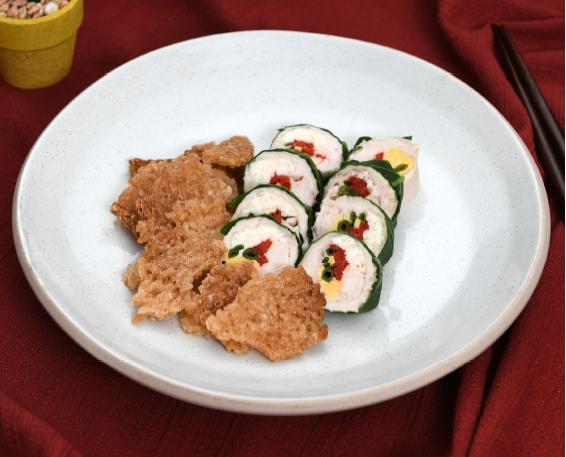
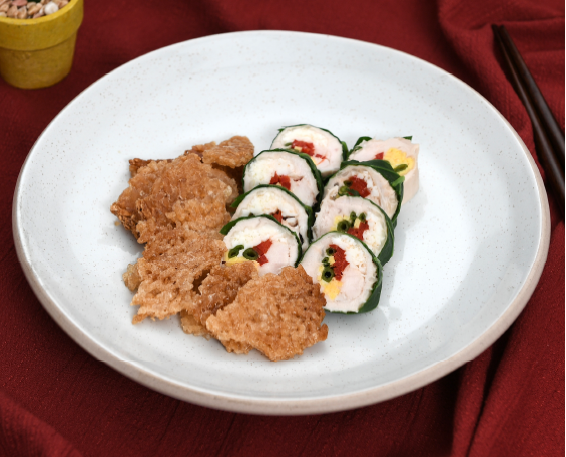
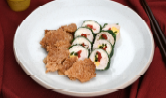
Bomoteul Ipeun Dalk (Chicken Dressed in Spring Clothes) is a truly delightful and healthy Korean dish, embodying the fresh vibrancy of spring. This meticulously crafted recipe offers a balanced meal of lean chicken and a colorful assortment of seasonal vegetables, making it perfect for those seeking an authentic and nutritious Korean food experience. If you’re looking for an authentic Bomoteul Ipeun Dalk recipe, this comprehensive guide provides clear, factual instructions and helpful insights. This guide is based on official MFDS (Ministry of Food and Drug Safety) data to ensure maximum accuracy and reliable nutritional information.
## Ingredients for Bomoteul Ipeun Dalk
To prepare this beautiful and nutritious dish, gather the following ingredients (exact amounts for one serving):
* **Dalkgogi (gaseumsal)** (Chicken breast): 100g
* **Chwinamul** (Aster scaber): 20g (Substitute: Fresh spinach or mustard greens will work well.)
* **Dalgyal** (Egg): 1 pc
* **Aehobak** (Korean zucchini): 1/2 pc (Substitute: A small regular zucchini, halved lengthwise.)
* **Danggeun** (Carrot): 20g
* **Pyogo beoseot** (Shiitake mushroom): 1 pc
* **Oi** (Cucumber): 50g
* **Papeurika** (Bell pepper, any color for visual appeal): 50g
* **Goguma** (Sweet potato): 50g
* **Nurungji** (Scorched rice): 20g (Substitute: Any plain, crispy rice cracker for texture.)
* **Sogeum** (Salt): 0.3g
* **Huchutgaru** (Black pepper): 0.02g
* **Minari** (Water dropwort): 20g (Substitute: Fresh parsley or cilantro if minari is unavailable.)
## How to Make Bomoteul Ipeun Dalk: Cooking Steps
Follow these detailed steps to create your own delicious and visually stunning Bomoteul Ipeun Dalk.
1. **Prepare the Chicken:** Season the 100g chicken breast meticulously with 0.3g salt and 0.02g black pepper. Pan-fry or grill until it is fully cooked through and golden brown, then slice it thinly against the grain.
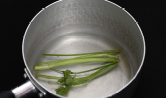
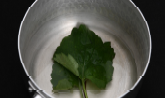
2. **Vegetable Preparation:** Wash all vegetables thoroughly. Finely julienne the aehobak, danggeun, oi, papeurika, and pyogo beoseot into uniform strips. Blanch the chwinamul and minari briefly in boiling water for about 30 seconds, then immediately refresh them in cold water and gently squeeze out any excess moisture.
3. **Cook Sweet Potato and Egg:** Peel and dice the 50g goguma, then steam or boil until it is perfectly tender. Cook the 1 dalgyal to your preference (e.g., hard-boiled and then sliced into wedges, or fried into a thin omelet and julienned).
4. **Crisp the Nurungji:** Heat a dry pan over medium heat. Crisp the 20g nurungji until it turns golden brown and releases a pleasant, nutty aroma. Once cooled slightly, break it into smaller, manageable pieces.
5. **Assemble the Dish:** Arrange the thinly sliced chicken breast attractively in the center of a large serving platter. Then, artfully arrange all the beautifully prepared vegetables (chwinamul, aehobak, danggeun, pyogo beoseot, oi, papeurika, minari), along with the tender goguma and sliced dalgyal, around the chicken.
6. **Garnish and Serve:** Sprinkle the crunchy nurungji generously over the entire dish just before serving to add a delightful textural contrast and finish. This thoughtful presentation truly embodies the dish’s evocative name, “Chicken Dressed in Spring Clothes.”
## Cultural Significance of Bomoteul Ipeun Dalk
Bomoteul Ipeun Dalk beautifully encapsulates the Korean tradition of celebrating seasonal ingredients, especially those abundant in spring. Dishes featuring vibrant, fresh greens like chwinamul and minari are highly prized for their inherent nutritional value and refreshing flavors, particularly after the cold winter months. The concept of “dressing” the chicken with these colorful, wholesome ingredients highlights the deep aesthetic and holistic approach to food preparation common in traditional Korean cuisine. It’s a dish designed not only for its incredible taste but also for its visual appeal and profound health benefits, reflecting a deep reverence for nature’s seasonal bounty.
## Nutrition Information
This Bomoteul Ipeun Dalk recipe offers a wonderfully balanced nutritional profile, meticulously based on official MFDS data for similar preparations and ingredient compositions:
| Nutrient | Amount |
| :————– | :———– |
| Calories | 656.4 kcal |
| Protein | 55.2 g |
| Fat | 25.8 g |
| Carbohydrates | 48.7 g |
| Sodium | 450 mg |
*Please note: Values are approximate for one serving based on the provided ingredients and standard preparation methods.*
## Mom’s Tips for Perfect Bomoteul Ipeun Dalk
1. **Achieving Tender Chicken:** To ensure your chicken breast remains exceptionally tender and moist, avoid overcooking it at all costs. Sear it quickly on high heat, then reduce to medium and cook until just opaque throughout. Allowing it to rest for a few minutes before slicing against the grain helps retain juices.
2. **Thoughtful Flavor Customization:** While this dish is intentionally lightly seasoned to let natural flavors shine, consider serving a light soy-sesame dressing or a small bowl of gochujang (Korean chili paste) on the side. This allows diners to customize the flavor intensity and add a pleasant, optional kick.
3. **Enhancing Visual Appeal:** Remember, the “Spring Clothes” name is central to this dish. Devote extra care to arranging the colorful vegetables neatly and uniformly around the chicken. Using a mandoline for perfectly julienned vegetables can elevate the presentation significantly, making it truly stunning.
## Frequently Asked Questions
**Q: Can I prepare parts of Bomoteul Ipeun Dalk in advance to save time?**
A: Absolutely! Most of the vegetables can be prepped and julienned a day ahead of time, stored in separate airtight containers in the refrigerator. The chicken can also be cooked and sliced in advance. However, crisp the nurungji just before serving for the very best, freshest texture.
**Q: Is Bomoteul Ipeun Dalk traditionally spicy, or can it be made spicy?**
A: Traditionally, Bomoteul Ipeun Dalk is not spicy; its flavor profile relies on the fresh, natural tastes of its ingredients. However, you can easily introduce a spicy element by serving it with a side of gochujang or by sprinkling some gochugaru (Korean chili flakes) over your individual serving if desired.
📸 Recipe Gallery
📺 For reference, here’s a recommended YouTube video related to “봄옷을 입은 닭”.
📹 Video sourced via YouTube. All rights belong to the respective creator.