Why Deungsimchaesorol Is Korea’s Soul Food: Full Recipe, Nutrition & Cultural History
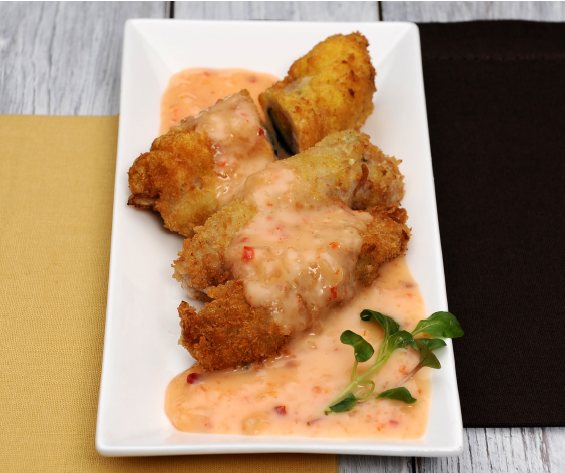
🇰🇷 The recipe below is based on official Korean MFDS (Ministry of Food and Drug Safety) data.
This comprehensive guide, based on official MFDS (Ministry of Food and Drug Safety) data, offers an authentic and detailed approach to preparing Deungsimchaesorol (Pork Loin Vegetable Roll). This delightful Korean dish masterfully combines thinly pounded pork loin wrapped around a vibrant assortment of fresh vegetables and savory cheese, which is then perfectly breaded and fried to a golden, crispy finish. Discover how to make Deungsimchaesorol, a flavorful and nutritious option that’s ideal for elevating any family dinner or impressing guests with a taste of traditional Korean culinary artistry.
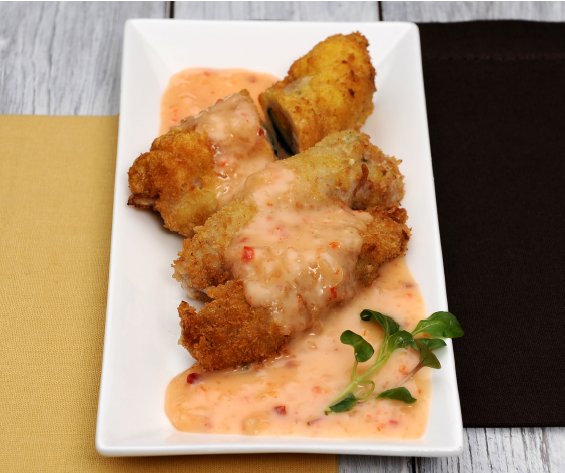
## Ingredients for Deungsimchaesorol
Based on official MFDS data, here are the precise ingredients required for one serving of this exquisite dish:
* **For the Roll:**
* Pork Loin (thinly sliced, preferably butterflied): 100g
* Salt: 0.3g
* Black Pepper Powder: 0.05g
* Bell Pepper (any color, julienned): 30g (Optional substitute: thinly sliced carrots or zucchini)
* Spinach (blanched and thoroughly squeezed dry): 30g
* Pineapple (fresh or canned, julienned): 30g
* Cheese (e.g., mozzarella, provolone, or cheddar, julienned): 30g
* **For Breading & Frying:**
* All-Purpose Flour: 20g
* Egg (beaten, about one large): 50g
* Breadcrumbs (Panko for extra crispiness is recommended): 30g
* Frying Oil (e.g., canola, soybean, or vegetable oil for deep-frying): 200g
* **For the Sauce:**
* Chili Sauce (sweet chili or gochujang-based for a spicier kick): 30g
* Sugar: 10g
* Starch Powder (cornstarch or potato starch): 5g (for water-starch mixture)
* Water: 5g (for water-starch mixture)
## Nutrition Facts
This dish provides a substantial and satisfying meal. Based on official MFDS data for one serving:
* Calories: 531.8 kcal
* *Note: Other nutritional values like protein, fat, and carbohydrates are not provided in the source data.*
## How to Make Deungsimchaesorol: Step-by-Step Guide
Follow these detailed instructions to create your perfect Deungsimchaesorol.
1. **Prepare the Pork Loin:** Place the 100g thinly sliced pork loin between two sheets of plastic wrap. Using a meat mallet, gently but firmly pound it until it’s about 2-3mm thick and uniformly flattened. Season both sides with 0.3g salt and 0.05g black pepper powder.
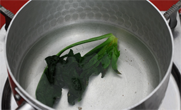
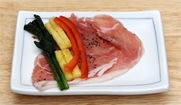
2. **Prepare the Filling:** Precisely julienne 30g bell pepper, 30g pineapple, and 30g cheese into thin strips. Blanch the 30g spinach briefly in boiling water, then immediately cool and thoroughly squeeze out all excess water. Neatly arrange these prepared ingredients in a small pile on one end of each pounded pork slice.
3. **Roll the Pork:** Carefully and tightly roll the seasoned pork loin around the filling, starting from the end with the vegetables. Ensure the filling is completely enclosed within the pork. If necessary, secure the roll with one or two small toothpicks, though a firm, tight roll often holds its shape well.
4. **Execute the Breading Process:** Set up a breading station. First, dredge each pork roll completely in 20g all-purpose flour, shaking off any excess. Next, dip it fully into the 50g beaten egg mixture, allowing any extra egg to drip away. Finally, coat the roll thoroughly in 30g breadcrumbs, gently pressing to ensure an even and complete layer.
5. **Fry the Rolls:** Heat 200g frying oil in a deep pan or pot to a temperature of approximately 170-175°C (338-347°F). Carefully lower the breaded rolls into the hot oil. Fry for about 4-5 minutes, turning them occasionally to ensure even browning, until they are golden brown and the pork is thoroughly cooked. Use a meat thermometer to confirm an internal temperature of 63°C (145°F) is reached.
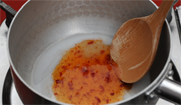
6. **Prepare the Sauce:** In a small saucepan, combine 30g chili sauce and 10g sugar. Heat the mixture gently over low heat, stirring until the sugar dissolves. In a separate small bowl, mix 5g starch powder with 5g water to create a smooth water-starch slurry. Gradually whisk this slurry into the simmering chili sauce until it thickens slightly to a desired consistency.
7. **Serve:** Once fried, promptly remove the rolls from the hot oil and place them on a wire rack or paper towels to drain any excess oil. Allow them to rest for a minute, then slice each roll into thick, appetizing rounds. Drizzle generously with the prepared chili sauce and serve immediately while hot and crispy.
## Mom’s Tips for Perfect Deungsimchaesorol
* **Pounding the Pork:** Don’t hesitate to pound the pork loin exceptionally thin – almost translucent. This ensures a remarkably tender final product that cooks quickly and uniformly, making it much easier to roll and slice.
* **The Art of Tight Rolling:** A tightly rolled pork parcel is paramount. It prevents the vibrant filling from spilling out during the frying process, resulting in a beautifully intact and juicy roll. Start firm and maintain consistent pressure.
* **Precise Frying Temperature:** Maintaining the oil temperature strictly between 170-175°C (338-347°F) is critical. Too cool, and your rolls will absorb excessive oil, becoming greasy; too hot, and the exterior will burn before the pork is cooked through. A kitchen thermometer is your best friend here.
## Cultural Context: Deungsimchaesorol’s Place in Korean Cuisine
Deungsimchaesorol, while a more contemporary and creative preparation, is deeply rooted in the broader Korean culinary ethos of emphasizing fresh, seasonal vegetables and lean, flavorful meats. It beautifully exemplifies an evolving aspect of Korean home cooking, where global techniques like breading and frying are thoughtfully integrated with distinctly Korean ingredient combinations and flavor preferences. Often cherished as a special home-cooked meal, it proudly showcases both attractive presentation and balanced nutrition, making it a beloved choice for family gatherings, festive occasions, or even sophisticated lunchboxes. Its versatility allows for various fillings, reflecting the adaptability of Korean cuisine.
## Frequently Asked Questions
### Q: Can I use different vegetables for the Deungsimchaesorol filling?
A: Absolutely! While bell pepper, spinach, and pineapple offer a delightful classic balance of flavors and textures, Korean cuisine encourages culinary creativity. You can readily experiment with other thinly julienned vegetables such as carrots, mushrooms, zucchini, or even blanched asparagus. The key is to ensure they are cut very thinly and any excess moisture is thoroughly removed to prevent sogginess.
### Q: How can I prepare Deungsimchaesorol in advance?
A: For convenience, you can prepare the Deungsimchaesorol rolls up to the breading stage and safely refrigerate them, tightly covered, for up to 24 hours. This allows for excellent meal prep. When you’re ready to cook, simply proceed directly to the frying step. For optimal crispiness and flavor, it is highly recommended to fry them just before serving.
📸 Recipe Gallery
📺 For reference, here’s a recommended YouTube video related to “등심채소롤”.
📹 Video sourced via YouTube. All rights belong to the respective creator.