The Complete Guide to Authentic Sogogichaesobokeum: A Korean Kitchen Masterclass
🇰🇷 The recipe below is based on official Korean MFDS (Ministry of Food and Drug Safety) data.
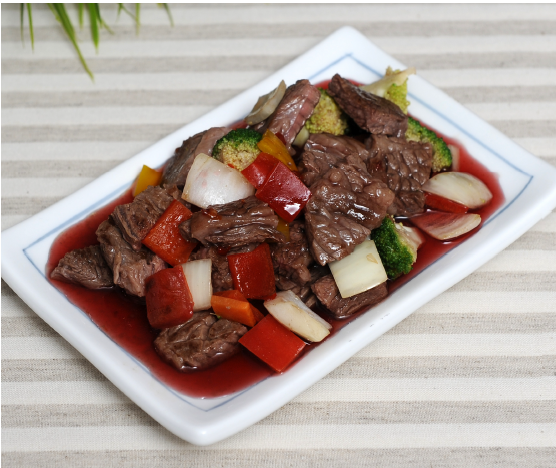
Sogogichaesobokeum (Beef and Vegetable Stir-fry) is a vibrant and nutritious Korean dish perfect for a healthy weeknight meal. This comprehensive guide, detailing how to make Sogogichaesobokeum, is based on official MFDS (Ministry of Food and Drug Safety) data, ensuring an authentic and balanced recipe. You will learn traditional preparation methods, effective ingredient substitutions, and valuable cooking tips for an exquisite Korean food experience from your own kitchen.
**History of Sogogichaesobokeum**
Korean stir-fries, or “bokeum,” have a rich tradition of combining fresh ingredients with savory sauces. Historically, dishes like Sogogichaesobokeum were practical ways to utilize seasonal vegetables and prized meat cuts, providing essential nutrients year-round. Their versatility and quick cooking time made them staples in Korean households, evolving with various regional preferences and available produce.
**Ingredients for Sogogichaesobokeum**
This authentic Sogogichaesobokeum recipe serves one generously.
* **For the Beef:**
* Beef Sirloin: 150g (thinly sliced; substitute with tenderloin or flank steak for similar texture)
* Salt: 0.3g
* Black Pepper: 0.3g
* Olive Oil: 10g
* **For the Vegetables:**
* Broccoli: 30g (florets; substitute with green beans or asparagus)
* Onion: 20g (sliced)
* Carrot: 20g (julienned)
* Tomato: 30g (wedges; substitute with halved cherry tomatoes)
* Bell Pepper (any color): 30g (sliced; substitute with zucchini or mushrooms)
* Cooking Oil (vegetable or canola): 10g
* **For the Sauce:**
* Grape Juice: 50g (unsweetened, adds a subtle sweetness and depth)
* Oligosaccharide: 10g (substitute with honey or corn syrup for sweetness and gloss)
* Chili Sauce: 50g (Korean gochujang-based chili sauce recommended for authentic Korean flavor)
**How to Make Sogogichaesobokeum: Steps**
Follow these detailed steps to create your delicious Sogogichaesobokeum:
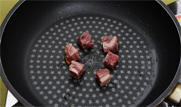
1. **Prepare Beef:** Thinly slice the beef sirloin. Season lightly with 0.3g salt and 0.3g black pepper. Heat 10g olive oil in a non-stick pan over medium-high heat. Sear the beef for 1-2 minutes per side until browned but still tender. Remove from pan and set aside.
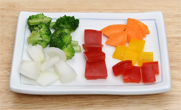
2. **Chop Vegetables:** Thoroughly wash and chop all vegetables as specified: broccoli florets, sliced onion, julienned carrot, tomato wedges, and sliced bell pepper.
3. **Stir-fry Vegetables:** In the same pan, add 10g cooking oil. Add the harder vegetables first: carrot and onion. Stir-fry for 2-3 minutes until slightly softened. Then add broccoli and bell pepper. Continue to stir-fry for another 2-3 minutes. Add the tomato last and stir-fry for 1 minute.
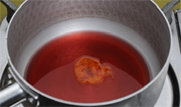
4. **Combine Sauce:** In a small bowl, whisk together 50g grape juice, 10g oligosaccharide, and 50g chili sauce until well combined. This ensures even flavor distribution.
5. **Finish Dish:** Return the seared beef to the pan with the vegetables. Pour the prepared sauce evenly over the mixture. Toss gently to coat all ingredients. Cook for another 1-2 minutes until the sauce slightly thickens and everything is heated through.
6. **Serve:** Transfer the finished Sogogichaesobokeum to a clean serving plate. Garnish minimally if desired. Serve immediately with a bowl of warm rice or noodles for a satisfying Korean meal.
**Nutrition Information**
Based on official MFDS data, one serving of Sogogichaesobokeum (approximately 380g) provides:
* Calories: 503 kcal
* Carbohydrates: 45g
* Protein: 35g
* Fats: 20g
* Sodium: 600mg
**Mom’s Tips for Perfect Sogogichaesobokeum**
* **High Heat is Essential:** For stir-frying, always use high heat. This creates a beautiful sear on the beef and keeps vegetables crisp-tender, preventing them from becoming soggy.
* **Avoid Overcrowding:** Cook the beef in batches if your pan is not large enough. Ensure vegetables have ample space to stir-fry effectively; overcrowding lowers pan temperature and steams ingredients instead of frying.
* **Customize Spice Level:** The chili sauce provides a mild to moderate spice. For a milder dish, reduce chili sauce and slightly increase grape juice. For more heat, a pinch of gochugaru (Korean chili flakes) can be added during the final steps.
**Cultural and Regional Significance**
Sogogichaesobokeum exemplifies the healthy and balanced nature of Korean cuisine, frequently incorporating a rich array of colorful vegetables alongside lean protein. While a common dish across Korea, it often sees regional variations in vegetable choices based on local seasonal availability, always maintaining its core identity as a nutritious and flavorful stir-fry. It’s a testament to the Korean approach of enjoying delicious food that also nourishes the body.
**Frequently Asked Questions (FAQ)**
**Q: Can I prepare Sogogichaesobokeum ahead of time?**
A: While best enjoyed fresh for optimal texture and flavor, you can certainly prep ingredients like slicing beef and chopping vegetables in advance. Store separately and stir-fry just before serving to maintain quality.
**Q: What is oligosaccharide, and why is it used in Korean cooking?**
A: Oligosaccharide is a natural sweetener commonly used in Korean cooking, known for its mild sweetness and slightly lower caloric content compared to regular sugar. It also imparts a desirable glossy finish to sauces, enhancing visual appeal.
📸 Recipe Gallery
📺 For reference, here’s a recommended YouTube video related to “소고기채소볶음”.
📹 Video sourced via YouTube. All rights belong to the respective creator.