Why Tomatotteokboki Is Korea’s Soul Food: Full Recipe, Nutrition & Cultural History
🇰🇷 The recipe below is based on official Korean MFDS (Ministry of Food and Drug Safety) data.
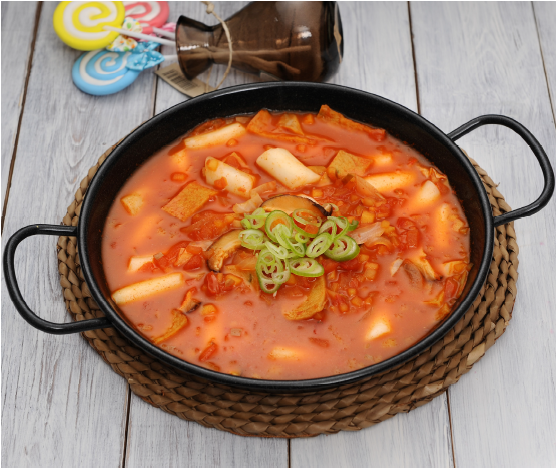
This guide to preparing Tomatotteokboki (Tomato Tteokbokki) is based on official MFDS (Ministry of Food and Drug Safety) data, ensuring accurate nutritional information and expert cooking techniques. This delightful fusion dish combines the beloved chewy rice cakes of traditional Korean tteokbokki with the savory, tangy notes of a rich tomato sauce, offering a unique and less spicy take on the classic street food. If you’re looking for a fresh Tomatotteokboki recipe or want to learn how to make Tomatotteokboki with an authentic touch, this comprehensive guide covers everything from ingredients to practical cooking tips.
## Tips for Perfect Tomatotteokboki
* **Mom’s Tip 1: Rice Cake Prep:** Always soak your Tteokbokki tteok in warm water for at least 10-15 minutes before cooking. This ensures they soften evenly and cook through without breaking, achieving that perfect chewy texture.
* **Mom’s Tip 2: Sauce Consistency:** The key to a great Tomatotteokboki is a well-balanced sauce. Taste and adjust sweetness or spice after simmering for a few minutes. If it’s too thick, add a splash more broth; if too thin, let it simmer uncovered a bit longer.
* **Mom’s Tip 3: Vegetable Timing:** Add softer vegetables like cabbage and green onion later in the cooking process to prevent them from becoming mushy. Harder vegetables like carrots and onions can go in earlier to ensure they cook thoroughly.
## The History of Tteokbokki and Its Modern Twist
Tteokbokki, a quintessential Korean street food, has a rich history dating back to the Joseon Dynasty, though its spicy, red form became popular post-Korean War. Originally, it was a royal court dish called Gungjung Tteokbokki, made with soy sauce and various meats and vegetables. The familiar spicy version, using gochujang, emerged in the 1950s in Sindang-dong, Seoul. Tomatotteokboki represents a modern culinary evolution, blending traditional Korean flavors with Western influences. This variation caters to diverse palates, offering a milder, tangier profile that appeals to those who prefer less heat or simply enjoy the comforting taste of tomato-based dishes, creating a bridge between authentic Korean food and global tastes.
## Nutrition Information
Based on official MFDS data, one serving of Tomatotteokboki provides:
* **Calories:** 351 kcal
## Ingredients for Tomatotteokboki
This recipe yields one generous serving.
**Main Ingredients:**
* Tteokbokki tteok (rice cakes): 100g (soak if hard)
* Eomuk (fish cakes): 20g (cut into bite-sized pieces)
* Yangpa (onion): 20g (thinly sliced)
* Danggeun (carrot): 20g (julienned or thinly sliced)
* Pyogo beoseot (shiitake mushroom): 20g (sliced, rehydrated if dried)
* Yangbaechu (cabbage): 20g (roughly chopped)
* Daepa (green onion/scallion): 20g (cut into 2-inch pieces)
* Yuksu (broth, e.g., anchovy or vegetable broth): 100g
**Sauce Ingredients:**
* Gochujang (Korean chili paste): 20g
* Ketchup: 20g
* Oligodang (oligosaccharide syrup): 20g (or corn syrup/sugar)
* Dajin maneul (minced garlic): 10g
* Tomato: 100g (diced, or use canned crushed tomatoes)
* Sagwa (apple): 20g (grated or finely diced, optional for natural sweetness)
* Beoteo (butter): 10g
## Cooking Steps
1. **Prepare Ingredients:** Soak Tteokbokki tteok in warm water. Slice fish cakes, vegetables, and dice tomatoes. Combine all sauce ingredients (Gochujang, ketchup, oligosaccharide, minced garlic, diced tomato, grated apple) in a bowl.
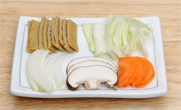
2. **Sauté Aromatics:** In a medium pan or wok, melt the butter over medium heat. Add sliced onion, carrot, and shiitake mushroom. Sauté for 2-3 minutes until slightly softened and fragrant.
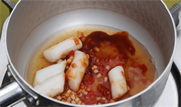
3. **Combine & Simmer:** Pour in the broth and add the pre-soaked rice cakes along with the prepared sauce mixture. Stir well to combine all ingredients evenly. Bring the mixture to a gentle boil.
4. **Add Remaining Vegetables:** Once boiling, reduce heat to medium-low and let it simmer for 5-7 minutes, stirring occasionally, until the rice cakes are tender and the sauce begins to thicken. Add the cabbage and half of the green onion.
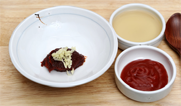
5. **Final Touches:** Continue to simmer for another 2-3 minutes until the cabbage is tender-crisp. Taste and adjust seasoning if needed. The sauce should be glossy and coating the rice cakes well.
6. **Serve:** Transfer the Tomatotteokboki to a serving dish. Garnish with the remaining fresh green onion.
## Frequently Asked Questions
* **Q: Can I adjust the spiciness of Tomatotteokboki?**
A: Yes, absolutely. For a milder flavor, reduce the amount of Gochujang and increase the ketchup or tomato content. If you prefer more heat, you can add a pinch of Gochugaru (Korean chili flakes) to the sauce.
* **Q: What are some good substitutes for oligosaccharide syrup?**
A: While oligosaccharide syrup offers a unique, less sweet flavor profile, you can substitute it with corn syrup, honey, or sugar. Adjust the amount to your preferred sweetness, as these might be sweeter than oligosaccharide.
Enjoy your homemade Tomatotteokboki!
📸 Recipe Gallery
📺 For reference, here’s a recommended YouTube video related to “토마토떡볶이”.
📹 Video sourced via YouTube. All rights belong to the respective creator.