How to Make Perfect Haemuludongbokeum: Traditional Korean Recipe with Nutrition Facts
🇰🇷 The recipe below is based on official Korean MFDS (Ministry of Food and Drug Safety) data.
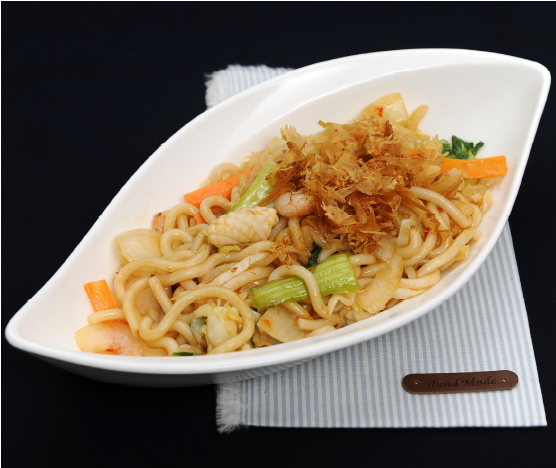
Embark on a culinary journey to master the authentic Haemuludongbokeum (Spicy Seafood Udon Stir-fry) recipe. This vibrant Korean dish, celebrated for its rich seafood flavors and chewy udon noodles, offers a delightful balance of savory and spicy notes. Learning how to make Haemuludongbokeum at home brings the bustling flavors of a Korean street food stall right to your kitchen. This comprehensive guide, with precise ingredient measurements and cooking times, is based on official MFDS (Ministry of Food and Drug Safety) data, ensuring an expert, trustworthy result.
## Mastering Your Haemuludongbokeum Recipe: Expert Tips
To achieve perfect Haemuludongbokeum, keep these practical notes in mind:
* **Mom’s Tip: High Heat is Key:** Always cook the seafood and vegetables over high heat in a wok or large pan. This ensures a quick stir-fry, locking in moisture and preventing the seafood from becoming rubbery. Don’t overcrowd the pan.
* **Noodle Prep:** For the best texture, blanch the udon noodles briefly (1-2 minutes) in boiling water just before adding them to the stir-fry. This loosens them without making them mushy.
* **Sauce Balance:** Taste your sauce before adding it to the pan. Adjust the chili sauce for your preferred spice level; a little more oyster sauce can balance excessive heat.
## The Rich History of Korean Stir-fried Udon
While udon noodles have Japanese origins, their adoption and adaptation into Korean cuisine led to unique dishes like Haemuludongbokeum. This stir-fry embodies the Korean love for bold, savory, and often spicy flavors, particularly when combined with fresh seafood. It’s a testament to the dynamic evolution of Korean food, blending influences to create something distinctly its own. Often found in bustling markets and specialty restaurants, Haemuludongbokeum quickly became a beloved comfort food, known for its hearty appeal and satisfying taste.
## Haemuludongbokeum Nutrition Facts
This recipe provides a balanced meal, packed with protein and vegetables. The following nutritional information is based on official MFDS data for a single serving:
* **Calories:** 369.1 kcal
* **Carbohydrates:** 55g
* **Protein:** 25g
* **Fats:** 7g
* **Sodium:** 980mg
## Authentic Haemuludongbokeum Ingredients
Gather these fresh ingredients for a flavorful experience:
* Udon noodles (Udong): 100g
* Shrimp (Saeu): 20g, peeled and deveined (substitute: chicken)
* Squid (Ojingeo): 20g, sliced (substitute: scallops)
* Clam meat (Jogae-sal): 20g (substitute: mussels)
* Cabbage (Yangbaechu): 20g, chopped
* Bell pepper (Papeurika): 20g, sliced (any color)
* Bok choy (Cheonggyeongchae): 20g, roughly chopped
* Carrot (Danggeun): 20g, julienned
* Onion (Yangpa): 20g, sliced
* Low-sodium butter (Jeoyeom-beoteo): 10g
* Oyster sauce (Gul-soseu): 20g
* Chili sauce (Chili-soseu): 30g (adjust to taste)
* Bonito flakes (Gatjjeo-bushi): 5g, for garnish
## How to Make Haemuludongbokeum: Step-by-Step Guide
1. **Prepare Ingredients:** Wash and chop all vegetables. Prepare the seafood: ensure shrimp are deveined, squid is cleaned and sliced into rings, and clam meat is ready.
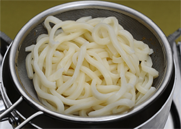
2. **Blanch Noodles:** Bring a pot of water to a boil. Add udon noodles and cook for 1-2 minutes until loosened. Drain well and set aside.
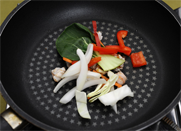
3. **Sauté Aromatics & Vegetables:** In a large wok or pan, melt the low-sodium butter over high heat. Add onion, carrot, bell pepper, and cabbage. Stir-fry for 2-3 minutes until slightly softened.
4. **Add Seafood:** Introduce shrimp, squid, and clam meat to the pan. Stir-fry for another 2-3 minutes until the seafood is almost cooked through and fragrant.
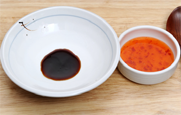
5. **Combine Noodles & Sauce:** Add the blanched udon noodles, oyster sauce, and chili sauce to the pan. Toss everything together vigorously for 2-3 minutes, ensuring the noodles and vegetables are thoroughly coated with the sauce and heated through.
6. **Finish with Bok Choy:** Add the bok choy during the last minute of cooking, stirring just until it wilts slightly, maintaining a vibrant crunch.
7. **Serve & Garnish:** Transfer the Haemuludongbokeum to serving plates. Garnish generously with bonito flakes before serving immediately. Enjoy this authentic Korean seafood udon stir-fry!
## Frequently Asked Questions About Haemuludongbokeum
**Q: Can I make Haemuludongbokeum less spicy?**
A: Absolutely! The spice level is primarily controlled by the chili sauce (Chili-soseu). You can reduce the amount of chili sauce or use a milder variety to suit your preference. A touch of sugar can also help balance the heat.
**Q: What kind of udon noodles should I use?**
A: Fresh or frozen pre-cooked udon noodles are ideal for this recipe as they provide the best chewy texture. Dried udon can be used, but ensure they are cooked according to package directions to maintain their bite.
📸 Recipe Gallery
📺 For reference, here’s a recommended YouTube video related to “해물우동볶음”.
📹 Video sourced via YouTube. All rights belong to the respective creator.