Dalkgogipaseuta Recipe: Everything You Need to Know About This Iconic Korean Dish
🇰🇷 The recipe below is based on official Korean MFDS (Ministry of Food and Drug Safety) data.
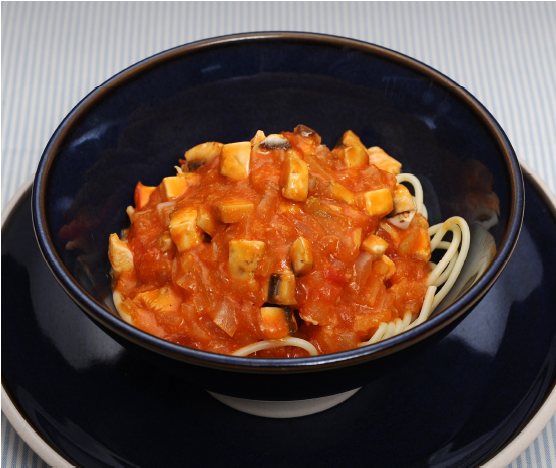
This guide, offering an authentic Dalkgogipaseuta recipe, is based on official MFDS (Ministry of Food and Drug Safety) data to ensure accuracy and trustworthiness. Learning how to make Dalkgogipaseuta, a beloved Korean-style chicken pasta, allows you to enjoy a flavorful fusion dish at home. This article provides clear steps, precise ingredients, nutritional information, and expert tips to help you master this delightful meal.
## History of Dalkgogipaseuta
Dalkgogipaseuta (Chicken Pasta) represents a delicious intersection of Western culinary influence and Korean gastronomic sensibility. While pasta dishes have a long history in Italy, their integration into Korean cuisine is a more recent phenomenon, flourishing particularly in the late 20th and early 21st centuries. Korean chefs and home cooks began adapting classic pasta preparations to local tastes, often incorporating bolder flavors, unique sauces, and readily available ingredients. This dish is a prime example of such fusion, featuring tender chicken breast, a rich tomato-based sauce, and often a hint of Korean-inspired seasoning, creating a comforting yet exciting meal that has found its place on many Korean dining tables.
## Essential Ingredients
Creating authentic Dalkgogipaseuta requires fresh ingredients and precise measurements for the best flavor and texture. This recipe yields one serving.
**Chicken Preparation:**
* Daksal (Chicken meat): 100g (boneless, skinless chicken breast)
* Sogeum (Salt): 0.2g
* Huchutgaru (Black pepper): 0.02g
* Milgaru (Flour): 20g (all-purpose flour)
**Main Components:**
* Spaghetti (Seupageti): 70g
* Maneul (Garlic): 20g (minced)
* Yangpa (Onion): 20g (diced)
* Yangsongibeoseot (Button mushroom): 30g (sliced)
* Beoteo (Butter): 10g
* Ollibeuoil (Olive oil): 5g
* Mojjarellachijeu (Mozzarella cheese): 20g (shredded)
**Sauce Ingredients:**
* Tomato (Tomato): 40g (diced or pureed)
* Tomatososeu (Tomato sauce): 20g (plain tomato puree or canned diced tomatoes)
* Olligodang (Oligosaccharide): 10g (or honey/sugar as substitute)
* Gulsoseu (Oyster sauce): 5g
* Yuksu (Broth): 100g (chicken or vegetable broth)
* Uyu (Milk): 100g (whole milk recommended)
## Step-by-Step Cooking Guide
1. **Prepare the Chicken:** Cut the Daksal (chicken breast) into bite-sized pieces. Season thoroughly with Sogeum (salt) and Huchutgaru (black pepper). Dust the seasoned chicken evenly with Milgaru (flour). This light coating will help create a slightly crispy exterior and thicken the sauce.
2. **Cook the Spaghetti:** In a pot of generously salted boiling water, cook the Seupageti (spaghetti) according to package directions until al dente, typically 8-10 minutes. Drain, reserving about 50g of pasta water, and set aside.
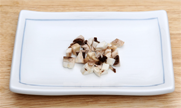
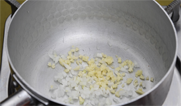
3. **Sauté Aromatics and Mushrooms:** Heat Ollibeuoil (olive oil) and Beoteo (butter) in a large pan or skillet over medium heat. Add the minced Maneul (garlic) and diced Yangpa (onion), cooking until softened and fragrant, about 2-3 minutes. Add the sliced Yangsongibeoseot (button mushrooms) and sauté until they release their moisture and begin to brown.
4. **Cook the Chicken:** Push the aromatics and mushrooms to one side of the pan. Add the floured chicken pieces to the empty side and cook until golden brown on all sides and mostly cooked through, about 5-7 minutes.
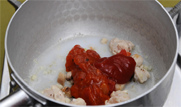
5. **Build the Sauce:** Stir the cooked chicken, aromatics, and mushrooms together. Add the diced Tomato, Tomatososeu (tomato sauce), Olligodang (oligosaccharide), Gulsoseu (oyster sauce), Yuksu (broth), and Uyu (milk). Bring the mixture to a gentle simmer, stirring occasionally.
6. **Combine and Finish:** Add the cooked spaghetti to the sauce. If the sauce is too thick, add a little reserved pasta water until it reaches your desired consistency. Stir well to coat the pasta evenly. Cook for another 1-2 minutes, allowing the flavors to meld.
7. **Serve:** Transfer the Dalkgogipaseuta to a serving plate. Top generously with shredded Mojjarellachijeu (mozzarella cheese) while still hot, allowing it to melt slightly. Serve immediately.
## Nutrition Information
This nutrition data is based on official MFDS (Ministry of Food and Drug Safety) records for Dalkgogipaseuta (Chicken Pasta), per serving.
| Nutrient | Amount |
| :————- | :——— |
| Calories | 374.4 kcal |
| Carbohydrates | (Data N/A) |
| Protein | (Data N/A) |
| Fat | (Data N/A) |
Further detailed nutritional breakdowns are available in official MFDS publications.
## Mom’s Tips for Perfect Dalkgogipaseuta
* **Don’t Overcook the Pasta:** Always cook spaghetti to al dente. It will finish cooking in the sauce, preventing it from becoming mushy. Taste-test a minute before the package suggests.
* **Sear the Chicken Well:** Ensuring a good sear on your floured chicken pieces before adding the sauce builds a deeper flavor profile and prevents the chicken from becoming bland.
* **Adjust Sweetness and Spice:** The Olligodang offers a subtle sweetness that balances the tomato and oyster sauce. Feel free to adjust to your preference, or add a pinch of gochugaru (Korean chili powder) for a spicy kick if you enjoy heat.
## Frequently Asked Questions
**Q: Can I use different types of pasta for Dalkgogipaseuta?**
A: Yes, while spaghetti is traditional for this recipe, you can easily substitute with other pasta shapes like penne, fettuccine, or linguine, adjusting cooking times as needed.
**Q: What if I don’t have oligosaccharide?**
A: If oligosaccharide is unavailable, you can substitute it with a small amount of honey or sugar, starting with half the amount and tasting before adding more, as their sweetness levels can vary.
📸 Recipe Gallery
📺 For reference, here’s a recommended YouTube video related to “닭고기파스타”.
📹 Video sourced via YouTube. All rights belong to the respective creator.