Dalkgaseumsalmali Recipe: Everything You Need to Know About This Iconic Korean Dish
🇰🇷 The recipe below is based on official Korean MFDS (Ministry of Food and Drug Safety) data.
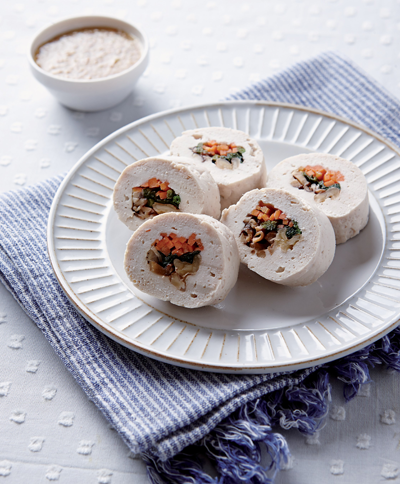
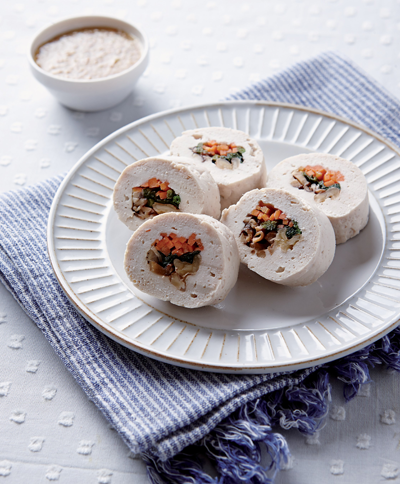
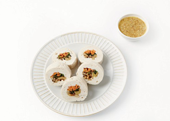
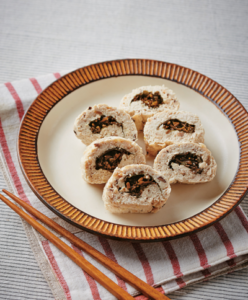
This guide is based on official MFDS (Ministry of Food and Drug Safety) data, ensuring an authentic and reliable Dalkgaseumsalmali recipe. Dalkgaseumsalmali (Chicken Breast Rolls) is a delightful and nutritious Korean dish featuring tender chicken breast wrapped around colorful, seasoned vegetables, often served with a vibrant mustard sauce. It’s a fantastic option for a light meal, a sophisticated appetizer, or as part of a larger Korean spread, offering a perfect blend of lean protein and fresh flavors. This comprehensive guide will show you how to make Dalkgaseumsalmali at home, from preparation to plating.
## Ingredients for Dalkgaseumsalmali
Crafting perfect Dalkgaseumsalmali begins with fresh, quality ingredients. All measurements are precise, based on MFDS guidelines.
* **Main Rolls:**
* Dalkgaseumsal (Chicken Breast): 150g (about 1 medium breast)
* Danggeun (Carrot): 10g, julienned
* Sigeumchi (Spinach): 10g, blanched and squeezed dry
* Mareun Pyogobeoseot (Dried Shiitake Mushroom): 10g, rehydrated, stemmed, and thinly sliced
* Ganjang (Soy Sauce): 5g
* Chamgireum (Sesame Oil): 3g
* Gyeongwaryu (Mixed Nuts): 16g, finely crushed (e.g., walnuts, almonds, pine nuts)
* **Danchotmul (Sweet Vinegar Sauce for Vegetables):**
* Seoltang (Sugar): 3g
* Sikcho (Vinegar): 10g
* **Gyeojasoseu (Mustard Sauce):**
* Seoltang (Sugar): 28g
* Barhyogyeoja (Fermented Mustard Paste): 28g (or prepared mustard)
* Sikcho (Vinegar): 28g
* Dajin Jat (Chopped Pine Nuts): 4g
* Dajin Ttangkkong (Chopped Peanuts): 4g
* Chamkkae (Sesame Seeds): 4g
## Dalkgaseumsalmali Cooking Steps
Follow these steps for a delicious and visually appealing Dalkgaseumsalmali.
1. **Prepare the Chicken:**
* Carefully butterfly the chicken breast to create a thin, even sheet. Pound it gently between two sheets of plastic wrap until it’s about 0.5 cm thick. Season lightly with salt and pepper.
2. **Prepare the Vegetables:**
* Blanch the spinach in boiling water for 30 seconds, then immediately transfer to ice water. Squeeze out excess moisture completely and chop lightly.
* Julienne the carrot thinly.
* Rehydrate dried shiitake mushrooms in warm water for about 20 minutes until soft. Remove stems and slice thinly.
* In a small bowl, combine the Danchotmul ingredients (3g sugar, 10g vinegar) and mix until sugar dissolves.
* Lightly sauté the carrots and shiitake mushrooms separately for about 1-2 minutes until slightly softened. Season with a tiny pinch of salt if desired.
* Toss the prepared vegetables (spinach, carrot, mushroom) with the Danchotmul, 5g soy sauce, and 3g sesame oil.
3. **Assemble the Rolls:**
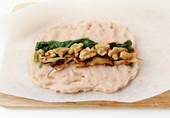
* Lay out the pounded chicken breast flat. Evenly spread the seasoned vegetables over one side of the chicken. Sprinkle the crushed mixed nuts (16g) over the vegetables.
* Carefully roll the chicken tightly from one end to the other, creating a firm cylinder.
* Secure the roll with toothpicks or kitchen string if necessary to maintain its shape during cooking.
4. **Cook the Rolls:**
* Heat a non-stick pan over medium heat. Lightly oil the pan.
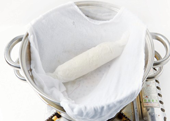
* Place the Dalkgaseumsalmali seam-side down in the pan. Cook for 3-4 minutes per side, turning occasionally, until the chicken is golden brown and cooked through (internal temperature reaches 74°C or 165°F). Avoid overcooking to keep the chicken tender.
* Remove from heat and let rest for 5 minutes before slicing.
5. **Prepare the Mustard Sauce (Gyeojasoseu):**
* In a bowl, combine all Gyeojasoseu ingredients: 28g sugar, 28g fermented mustard paste, 28g vinegar, 4g chopped pine nuts, 4g chopped peanuts, and 4g sesame seeds. Whisk well until smooth and thoroughly combined. Adjust sweetness or tanginess to your preference.
6. **Serve:**
* Remove toothpicks/string from the cooled Dalkgaseumsalmali. Slice the rolls into 1.5-2 cm thick pieces. Arrange on a serving platter and drizzle generously with the Gyeojasoseu, or serve the sauce on the side for dipping.
## History of Dalkgaseumsalmali
While Dalkgaseumsalmali itself may be considered a more modern adaptation in Korean cuisine, reflecting a growing preference for healthier, protein-rich dishes, it draws inspiration from traditional Korean roll dishes like Gyeran-mari (egg rolls) or various types of jeon (pancakes) filled with vegetables. The concept of wrapping ingredients to create harmonious flavor and texture combinations is deeply rooted in Korean culinary traditions. Its popularity as a light and aesthetically pleasing dish has grown due to its versatility and nutritional benefits.
## Nutrition Information
Based on official MFDS data, one serving of Dalkgaseumsalmali provides:
* **Calories:** 233.1 kcal
This makes Dalkgaseumsalmali a lean and satisfying meal option, rich in protein from the chicken and vitamins from the vegetables, further enhanced by healthy fats from the nuts.
## Tips for Perfect Dalkgaseumsalmali
* **Mom’s Tip for Even Cooking:** When pounding the chicken breast, aim for uniform thickness. This ensures that the chicken cooks evenly and the roll maintains its shape without bulging. Using a heavy, flat object like a small saucepan bottom works just as well as a meat mallet.
* **Vegetable Prep is Key:** Ensure all vegetables are squeezed *very* dry after blanching or washing. Excess moisture can make the rolls soggy and difficult to roll tightly. Tightly squeezed spinach is crucial for a firm texture.
* **Don’t Rush the Slicing:** Allowing the cooked chicken rolls to rest for at least 5 minutes before slicing helps the juices redistribute, resulting in a more tender and moist chicken. It also makes slicing cleaner and prevents the rolls from falling apart.
## FAQ
**Q: Can I prepare Dalkgaseumsalmali in advance?**
A: Yes, you can prepare and cook the Dalkgaseumsalmali rolls a day ahead and store them in an airtight container in the refrigerator. Reheat gently in a pan or microwave, or serve chilled. The mustard sauce can also be made ahead and stored separately.
**Q: What are good substitutes for the nuts in the sauce?**
A: If you have nut allergies or preferences, you can omit the pine nuts and peanuts from the mustard sauce or substitute them with finely ground pumpkin seeds or sunflower seeds for a similar texture and mild flavor. The sesame seeds can also be increased slightly.
📸 Recipe Gallery
📺 For reference, here’s a recommended YouTube video related to “닭가슴살말이”.
📹 Video sourced via YouTube. All rights belong to the respective creator.


![[Video] I Tried the CU Convenience Store Matcha Haul and Here Is What Happened](https://k-foodday.com/wp-content/uploads/2026/05/kfood-1778261738731-300x169.jpg "[Video] I Tried the CU Convenience Store Matcha Haul and Here Is What Happened 13")
![[Video] Why Are Koreans Obsessed With This CU Ramen Hack?](https://k-foodday.com/wp-content/uploads/2026/05/kfood-1778254550472-300x169.jpg "[Video] Why Are Koreans Obsessed With This CU Ramen Hack? 14")
![[Video] Forget Restaurants: This Korean Convenience Store Mala Beats Them All](https://k-foodday.com/wp-content/uploads/2026/05/kfood-1778247346592-300x169.jpg "[Video] Forget Restaurants: This Korean Convenience Store Mala Beats Them All 16")
![[Video] I Tried the Viral Korean Towel Cake and Here Is What Happened](https://k-foodday.com/wp-content/uploads/2026/05/kfood-1778240139237-300x169.jpg "[Video] I Tried the Viral Korean Towel Cake and Here Is What Happened 17")