Why Gajibokeumbap Is Korea’s Soul Food: Full Recipe, Nutrition & Cultural History

🇰🇷 The recipe below is based on official Korean MFDS (Ministry of Food and Drug Safety) data.
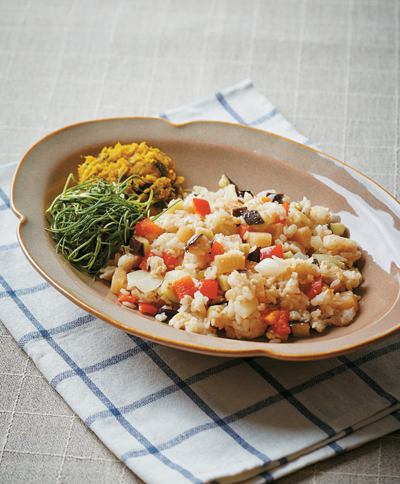
This guide is based on official MFDS (Ministry of Food and Drug Safety) data, ensuring an authentic and trustworthy approach to preparing Gajibokeumbap (Eggplant Fried Rice), a delightful and healthful Korean dish. This comprehensive recipe will teach you how to make Gajibokeumbap, a flavorful stir-fried rice featuring tender eggplant and a medley of vegetables, perfect for a satisfying meal. Discover the traditional ingredients, precise cooking steps, and valuable tips to recreate this authentic Korean food in your own kitchen.
## History of Gajibokeumbap
While fried rice dishes have a long history across Asia, Gajibokeumbap as a distinct dish highlights the versatility of Korean home cooking, transforming common vegetables like eggplant into a comforting staple. Eggplant (gaji) has been cultivated in Korea for centuries and is prized for its soft texture when cooked. This particular rendition often features a gentle doenjang-based seasoning, making it a wholesome and less spicy alternative to other Korean fried rice variations, appealing to those seeking a lighter, yet deeply satisfying, meal. Its simplicity and use of seasonal vegetables align with traditional Korean culinary philosophies focused on balance and nutrition.
## Ingredients for Authentic Gajibokeumbap
Achieving the perfect Gajibokeumbap starts with fresh ingredients, all measured precisely for optimal flavor and texture.
**Main Ingredients:**
* Danhobak (Sweet Pumpkin): 100g (diced) – *Substitute: butternut squash*
* Yangpa (Onion): 30g (diced)
* Seokbakji (Cubed Radish Kimchi): 35g (diced) – *Substitute: regular napa cabbage kimchi, rinsed lightly*
* Papeurika (Bell Pepper): 40g (diced, any color)
* Gaji (Eggplant): 90g (diced)
* Dubu (Tofu): 50g (firm, pressed and diced)
* Bap (Cooked Rice): 180g (preferably day-old)
* Sebaknamul (Glasswort/Saltwort): 10g – *Substitute: spinach or another mild leafy green, chopped*
**Seasoning:**
* Dajin Maneul (Minced Garlic): 5g
* Jeoyeom Doenjang (Low-sodium Soybean Paste): 12g – *Substitute: regular doenjang, use slightly less*
* Huchutgaru (Black Pepper Powder): 0.3g
* Deulgireum (Perilla Oil): 4g – *Substitute: sesame oil for a different nutty flavor*
## Simple Cooking Steps to Make Gajibokeumbap
Follow these steps carefully to master your Gajibokeumbap recipe:
1. **Prepare Vegetables:** Dice all vegetables (danhobak, yangpa, seokbakji, papeurika, gaji, dubu, sebaknamul) into small, uniform pieces to ensure even cooking and distribution in the fried rice.
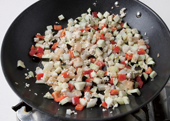
2. **Sauté Aromatics:** Heat a large non-stick pan or wok over medium-high heat. Add 2g of perilla oil (half the total amount). Add the minced garlic and onion, stir-frying for about 2 minutes until fragrant and the onion is translucent.
3. **Cook Harder Vegetables:** Add the diced danhobak and seokbakji to the pan. Sauté for 3-4 minutes, allowing them to soften slightly.
4. **Add Eggplant and Bell Pepper:** Introduce the diced eggplant and bell pepper to the pan. Continue to stir-fry for another 3-4 minutes until the eggplant begins to tenderize.
5. **Incorporate Tofu and Rice:** Gently add the diced tofu and cooked rice to the pan. Break up any clumps of rice and mix well with the vegetables.
6. **Season the Dish:** Add the jeoyeom doenjang and black pepper powder. Stir thoroughly to ensure the seasoning is evenly distributed throughout the rice and vegetables. Cook for about 2-3 minutes, stirring occasionally.
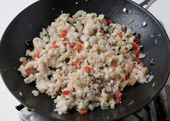
7. **Finish with Soft Greens:** Finally, add the sebaknamul (or substitute) and the remaining 2g of perilla oil. Toss quickly for 1 minute until the greens are just wilted.
8. **Serve Immediately:** Transfer the Gajibokeumbap to serving bowls and enjoy hot.
## Nutrition Facts
Based on official MFDS data, a single serving of Gajibokeumbap prepared according to this recipe provides:
* **Calories:** 644.9 kcal
This dish offers a balanced meal with a good mix of vegetables, protein from tofu, and carbohydrates from rice.
## Mom’s Tips for Perfect Gajibokeumbap
* **Rice Texture is Key:** Using day-old, slightly dry rice prevents the fried rice from becoming mushy. If using freshly cooked rice, spread it out on a tray to cool and dry slightly before cooking.
* **High Heat, Quick Stir-Fry:** For the best texture, ensure your pan is hot enough to stir-fry rather than steam the ingredients. This creates a slightly crispy exterior on the rice grains and vegetables.
* **Don’t Overcrowd the Pan:** Cook in batches if your pan isn’t large enough. Overcrowding lowers the pan temperature and prevents proper stir-frying, leading to steamed, soft vegetables instead of slightly caramelized ones.
## Cultural and Regional Context
Gajibokeumbap, while not as globally famous as Kimchi Bokkeumbap, represents the quieter, healthful side of Korean home cooking. It’s a dish that celebrates local, seasonal ingredients, often served in families or small eateries that prioritize simple, nutritious meals. The use of doenjang (soybean paste) as the primary seasoning is characteristic of many traditional Korean dishes, offering a savory umami depth distinct from soy sauce-based fried rice common in other Asian cuisines. It’s a wonderful example of how humble ingredients can be transformed into a comforting and nourishing meal, embodying the spirit of “slow food” within Korean culinary traditions.
## Frequently Asked Questions
**Q1: Can I make Gajibokeumbap vegetarian/vegan?**
A1: Yes, this specific Gajibokeumbap recipe is inherently vegetarian. To ensure it’s vegan, simply confirm that your doenjang (soybean paste) does not contain any animal products, which most traditional ones typically do not.
**Q2: What other vegetables can I add to Gajibokeumbap?**
A2: You can easily customize Gajibokeumbap with other quick-cooking vegetables. Common additions include zucchini, mushrooms, or even thinly sliced carrots. Ensure all vegetables are diced to a similar size for even cooking.
📸 Recipe Gallery
📺 For reference, here’s a recommended YouTube video related to “가지볶음밥”.
📹 Video sourced via YouTube. All rights belong to the respective creator.


![[Video] I Tried the CU Convenience Store Matcha Haul and Here Is What Happened](https://k-foodday.com/wp-content/uploads/2026/05/kfood-1778261738731-300x169.jpg "[Video] I Tried the CU Convenience Store Matcha Haul and Here Is What Happened 13")
![[Video] Why Are Koreans Obsessed With This CU Ramen Hack?](https://k-foodday.com/wp-content/uploads/2026/05/kfood-1778254550472-300x169.jpg "[Video] Why Are Koreans Obsessed With This CU Ramen Hack? 14")
![[Video] Forget Restaurants: This Korean Convenience Store Mala Beats Them All](https://k-foodday.com/wp-content/uploads/2026/05/kfood-1778247346592-300x169.jpg "[Video] Forget Restaurants: This Korean Convenience Store Mala Beats Them All 16")
![[Video] I Tried the Viral Korean Towel Cake and Here Is What Happened](https://k-foodday.com/wp-content/uploads/2026/05/kfood-1778240139237-300x169.jpg "[Video] I Tried the Viral Korean Towel Cake and Here Is What Happened 17")