The Complete Guide to Authentic Ganjangagwijjim: A Korean Kitchen Masterclass

🇰🇷 The recipe below is based on official Korean MFDS (Ministry of Food and Drug Safety) data.
This guide, including the recipe and nutrition information for Ganjangagwijjim, is based on official MFDS (Ministry of Food and Drug Safety) data, ensuring accuracy and reliability.
Ganjangagwijjim (Soy-Sauce Braised Monkfish) is a beloved Korean seafood dish featuring tender monkfish and crunchy bean sprouts, all coated in a savory, non-spicy soy sauce. Unlike its spicy counterpart, Agwijjim, this version offers a milder, deeply flavorful experience, perfect for those seeking an authentic taste of Korean cuisine without the heat. If you’re looking for an authentic Ganjangagwijjim recipe, you’ve come to the right place. This article will teach you how to make this delightful dish at home.
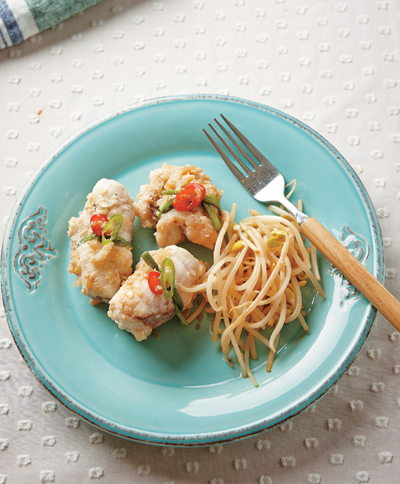
Expert Tips for a Perfect Ganjangagwijjim
Achieving the perfect Ganjangagwijjim requires attention to a few key details that elevate the dish from good to exceptional. Here are some cook’s notes to guide you:
- Monkfish Preparation is Key: Mom always said to blanch the monkfish briefly in boiling water for about 2-3 minutes before braising. This firms up the flesh, removes any lingering fishy smell, and ensures it holds its shape beautifully during cooking, resulting in a perfectly tender, flakey texture.
- Crunchy Bean Sprouts: The secret to truly authentic Ganjangagwijjim is the crispness of the bean sprouts. Add the seasoned bean sprouts (Kongnamul Muchim) in the final stages of cooking, simmering them just long enough to heat through and absorb the sauce without losing their satisfying crunch. Overcooked bean sprouts can make the dish watery and soft.
- Balance the Sauce: Taste the soy sauce mixture before adding it to the monkfish. While the recipe provides exact measurements, individual preferences for sweetness and saltiness vary. Adjust the sugar or low-sodium soy sauce slightly to suit your palate, ensuring the perfect balance that complements the seafood.
The Rich History of Ganjangagwijjim
Agwijjim, or braised monkfish, originated in Masan, a port city known for its vibrant seafood culture. Traditionally, the spicy variant was more prevalent, catering to the Korean preference for bold flavors. However, as culinary tastes diversified, a milder, soy-sauce based version, Ganjangagwijjim, emerged. This dish gained popularity for showcasing the delicate flavor of monkfish without overwhelming it with spice, making it accessible to a wider audience, including children and those sensitive to heat. It reflects the ingenuity of Korean cooks in adapting traditional recipes to new palates while preserving the essence of fresh seafood.
Ganjangagwijjim Nutrition Facts
Based on official MFDS data, a single serving (approximately 150g) of Ganjangagwijjim offers a balanced nutritional profile:
| Nutrient | Amount |
|---|---|
| Calories | 100.5 kcal |
| Protein | 15.2 g |
| Fat | 3.1 g |
| Carbohydrates | 5.8 g |
| Sodium | 258 mg |
Essential Ingredients for Ganjangagwijjim
To prepare this authentic Ganjangagwijjim, gather the following ingredients:
Main Ingredients:
- Monkfish (Agwi): 150g (fresh or thawed)
- Shrimp (Saeu): 20g (peeled and deveined)
- Korean Watercress (Minari): 15g
- Green Chili (Putgochu): 5g (sliced)
- Red Chili (Bulg-eun gochu): 5g (sliced)
Kongnamul Muchim (Seasoned Bean Sprouts):
- Bean Sprouts (Kongnamul): 30g
- Sesame Oil (Chamgireum): 3g
- Sesame Seeds (Chamkkae): 1g
Ganjang Sauce (Soy Sauce Base):
- Sugar (Seoltang): 1g
- Low-Sodium Soy Sauce (Jeoyeom ganjang): 3g
- Rice Wine (Cheongju): 15g
- Kelp Broth (Dasima mul): 50g
Agwijjim Yangnyeom (Monkfish Stew Seasoning):
- Minced Onion (Dajin yangpa): 50g
- Minced Ginger (Dajin saenggang): 5g
- Minced Garlic (Dajin maneul): 10g
Step-by-Step Ganjangagwijjim Recipe
Follow these detailed steps to create a delicious Ganjangagwijjim in your kitchen:
- **Prepare the Monkfish:** Clean the monkfish thoroughly. If frozen, thaw completely. Blanch the monkfish in boiling water for 2-3 minutes, then drain and set aside. This step is crucial for firming the flesh and removing impurities.
- **Make the Kongnamul Muchim:** Briefly blanch the bean sprouts (Kongnamul) until slightly tender but still crisp. Drain well. In a bowl, toss the blanched bean sprouts with sesame oil (Chamgireum) and sesame seeds (Chamkkae). Set aside.
- **Prepare the Ganjang Sauce:** In a small bowl, whisk together the sugar (Seoltang), low-sodium soy sauce (Jeoyeom ganjang), rice wine (Cheongju), and kelp broth (Dasima mul) until the sugar dissolves.
- **Sauté Seasoning Base:** In a large pan or wok, add a little oil. Sauté the minced onion (Dajin yangpa), minced ginger (Dajin saenggang), and minced garlic (Dajin maneul) over medium heat until fragrant, about 2-3 minutes.
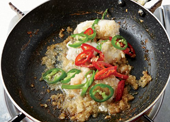
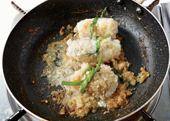
- **Braise the Monkfish:** Add the blanched monkfish and shrimp (Saeu) to the pan with the sautéed seasoning base. Pour the prepared Ganjang Sauce over the monkfish. Bring to a simmer, then cover and cook for 5-7 minutes, or until the monkfish is cooked through and flaky.
- **Add Vegetables:** Uncover the pan. Gently stir in the Korean watercress (Minari), sliced green chili (Putgochu), and sliced red chili (Bulg-eun gochu). Cook for another 2-3 minutes until the vegetables are slightly softened but still vibrant.
- **Final Assembly:** Carefully fold in the prepared Kongnamul Muchim (seasoned bean sprouts) into the stew. Toss gently to combine all ingredients and ensure everything is evenly coated in the sauce. Serve immediately.
Frequently Asked Questions (FAQ)
Q: Can I make Ganjangagwijjim spicier?
A: While Ganjangagwijjim is traditionally non-spicy, you can certainly customize it. Add a teaspoon of gochugaru (Korean chili powder) or some sliced gochujeon (spicy green chilies) along with the other chilies in step 6 for a subtle kick.
Q: What can I serve with Ganjangagwijjim?
A: Ganjangagwijjim pairs wonderfully with a bowl of freshly steamed rice, as the rice helps absorb the flavorful sauce. Kimchi and other simple banchan (side dishes) also complement the meal beautifully.
📸 Recipe Gallery
📺 For reference, here’s a recommended YouTube video related to “간장아귀찜”.
📹 Video sourced via YouTube. All rights belong to the respective creator.


![[Video] I Tried the CU Convenience Store Matcha Haul and Here Is What Happened](https://k-foodday.com/wp-content/uploads/2026/05/kfood-1778261738731-300x169.jpg "[Video] I Tried the CU Convenience Store Matcha Haul and Here Is What Happened 13")
![[Video] Why Are Koreans Obsessed With This CU Ramen Hack?](https://k-foodday.com/wp-content/uploads/2026/05/kfood-1778254550472-300x169.jpg "[Video] Why Are Koreans Obsessed With This CU Ramen Hack? 14")
![[Video] Forget Restaurants: This Korean Convenience Store Mala Beats Them All](https://k-foodday.com/wp-content/uploads/2026/05/kfood-1778247346592-300x169.jpg "[Video] Forget Restaurants: This Korean Convenience Store Mala Beats Them All 16")
![[Video] I Tried the Viral Korean Towel Cake and Here Is What Happened](https://k-foodday.com/wp-content/uploads/2026/05/kfood-1778240139237-300x169.jpg "[Video] I Tried the Viral Korean Towel Cake and Here Is What Happened 17")