The Complete Guide to Authentic Hansikpungdalkgaseumsalseuteikeu: A Korean Kitchen Masterclass

🇰🇷 The recipe below is based on official Korean MFDS (Ministry of Food and Drug Safety) data.
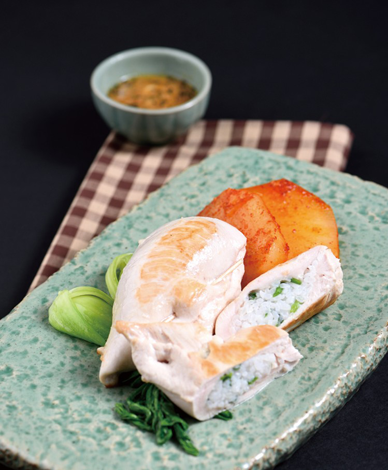
Hansikpungdalkgaseumsalseuteikeu (Korean-style Chicken Breast Steak) offers a delightful fusion of traditional Korean flavors with a lean, healthy protein. If you’re searching for an authentic Hansikpungdalkgaseumsalseuteikeu recipe that balances nutrition and taste, this comprehensive guide is for you. You’ll learn how to prepare this delicious dish, understand its nutritional benefits, and gain practical tips to master it in your kitchen. This guide is based on official MFDS (Ministry of Food and Drug Safety) data, ensuring accuracy and reliability.
## Essential Cooking Tips
* **Mom’s Tip 1: Perfect Chicken Doneness:** Achieving a tender, juicy chicken breast is key. After searing, if the chicken is thick, lower the heat, cover the pan, and cook for an additional 3-5 minutes to ensure it’s cooked through without drying out. A meat thermometer should read 74°C (165°F).
* **Mom’s Tip 2: Radish Texture Control:** For the MujoRIM (Braised Radish), ensure the radish is simmered until tender but still holds its shape. Overcooking can make it mushy, while undercooking leaves it hard. Taste it periodically to hit that perfect texture.
* **Mom’s Tip 3: Sauce Balance:** The doenjang (fermented soybean paste) sauce has a unique salty, savory, and slightly sweet profile. Adjust the maesilcheong (green plum extract) to your preference – add a little more for sweetness or a dash of water if it’s too strong.
## The Cultural Roots of Hansikpung Dalkgaseumsal Steak
Korean cuisine, or Hansik, has always prioritized seasonal ingredients and balanced nutrition. While traditional Korean meals often feature diverse side dishes, the concept of a “steak” as a main protein focus is a more modern interpretation. Hansikpungdalkgaseumsalseuteikeu represents an innovative approach to incorporating popular Western dining styles with distinctly Korean flavors. The use of lean chicken breast reflects a growing health consciousness, while ingredients like doenjang, minari (Korean watercress), and gochutgaru (chili powder) ground it firmly in authentic Korean culinary tradition. This dish bridges the gap between traditional hearty stews and a lighter, protein-rich meal, making it a staple for those seeking nutritious and flavorful Korean food.
## Nutrition Facts
Based on official MFDS data, here are the nutritional values for one serving of Hansikpungdalkgaseumsalseuteikeu:
| Nutrient | Amount |
| :————– | :———– |
| Calories | 191.5 kcal |
| Carbohydrates | 14.7 g |
| Protein | 25.1 g |
| Fat | 3.1 g |
| Sodium | 524.3 mg |
| Saturated Fat | 0.4 g |
| Cholesterol | 62.6 mg |
## Ingredients
Here’s what you’ll need to prepare this authentic Hansikpungdalkgaseumsalseuteikeu:
**Main Components:**
* Chicken breast (Dalgaseumsal): 280g
* Minari (Korean watercress): 50g
* Rice (Ssal): 50g (for serving)
* Cheonggyeongchae (Bok choy): 60g
**For MujoRIM (Braised Radish):**
* Radish (Mu): 150g
* Seasoned soy sauce (Matganjang): 15g
* Chili powder (Gochutgaru): 15g
* Minced garlic (Dajinmaneul): 5g
* Water (Mul): 200g
**For Doenjang Sauce:**
* Doenjang (Fermented soybean paste): 15g
* Maesilcheong (Green plum extract): 15g
* Perilla oil (Deulgireum): 10g
* Minced onion (Dajinyangpa): 10g
* Black sesame seeds (Geomeunkkae): 5g
* Minced garlic (Dajinmaneul): 5g
## Step-by-Step Cooking Guide
Follow these steps to create your delicious Hansikpungdalkgaseumsalseuteikeu:
1. **Prepare the MujoRIM:** Peel and slice the radish into 1.5 cm thick pieces. In a small pot, combine the radish, seasoned soy sauce, chili powder, minced garlic, and water. Bring to a boil, then reduce heat and simmer for 15-20 minutes, or until the radish is tender and the liquid has slightly reduced. Set aside.
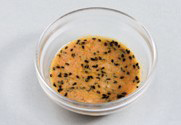
2. **Make the Doenjang Sauce:** In a small bowl, combine doenjang, maesilcheong, perilla oil, minced onion, black sesame seeds, and minced garlic. Mix well until all ingredients are thoroughly incorporated. This sauce will be used to glaze the chicken.
3. **Prepare the Chicken and Vegetables:** Pat the chicken breast dry with paper towels. Season lightly with salt and pepper if desired. Wash and trim the minari and cheonggyeongchae.
4. **Cook the Rice:** Prepare 50g of rice according to your preferred method.
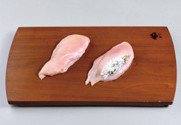
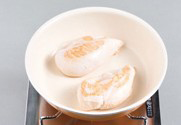
5. **Sear the Chicken:** Heat a non-stick pan over medium-high heat. Add a tiny amount of cooking oil (not included in ingredients, assume negligible). Place the chicken breast in the hot pan and sear for 3-4 minutes per side until golden brown and cooked through. Remove the chicken from the pan and let it rest for a few minutes.
6. **Sauté Vegetables:** In the same pan, quickly sauté the minari and cheonggyeongchae for 1-2 minutes until slightly wilted but still crisp.
7. **Assemble and Serve:** Slice the cooked chicken breast into desired portions. Arrange the cooked rice, sautéed vegetables, and MujoRIM on a plate. Drizzle the prepared doenjang sauce generously over the chicken. Serve immediately.
## Frequently Asked Questions
**Q: Can I substitute chicken breast with other proteins?**
A: While Hansikpungdalkgaseumsalseuteikeu traditionally uses chicken breast for its lean profile, you could experiment with pork tenderloin or firm tofu for a different texture, adjusting cooking times accordingly. However, the nutritional data provided is specific to chicken breast.
**Q: What is Matganjang and can I make a substitute?**
A: Matganjang is a seasoned soy sauce often infused with ingredients like kelp, anchovies, and vegetables, giving it a deeper umami flavor. If you don’t have it, you can use regular soy sauce mixed with a pinch of sugar and a drop of sesame oil for a basic substitute, though the flavor profile will differ slightly.
📸 Recipe Gallery
📺 For reference, here’s a recommended YouTube video related to “한식풍닭가슴살스테이크”.
📹 Video sourced via YouTube. All rights belong to the respective creator.