The Complete Guide to Authentic Kkongchichaesomali: A Korean Kitchen Masterclass

🇰🇷 The recipe below is based on official Korean MFDS (Ministry of Food and Drug Safety) data.
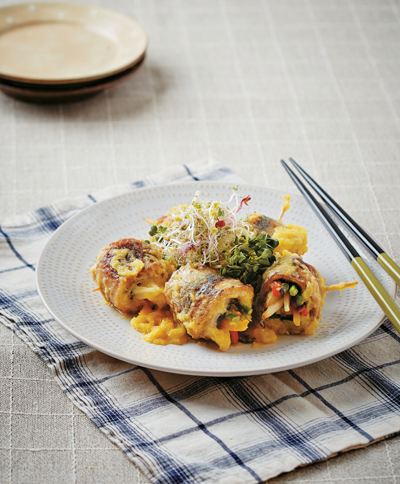
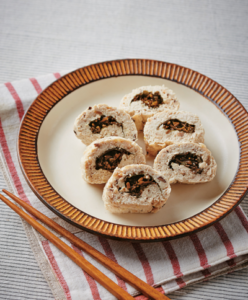
Dive into the exquisite flavors of Kkongchichaesomali (Pacific Saury Vegetable Rolls), a delightful Korean dish that artfully combines fresh seafood with vibrant vegetables. This comprehensive guide will show you how to make Kkongchichaesomali, offering an authentic recipe based on official MFDS (Ministry of Food and Drug Safety) data, ensuring both deliciousness and nutritional accuracy. Whether you’re a seasoned chef or new to Korean cuisine, this step-by-step approach will empower you to create a memorable meal, perfect for any occasion.
### History of Kkongchichaesomali
Kkongchi, or pacific saury, has long been a staple in Korean coastal diets, prized for its rich, savory flavor and nutritional benefits. Traditionally grilled or stewed, this recipe transforms the humble fish into an elegant presentation by rolling its fillets with colorful vegetables. The “chaesomali” concept, meaning “vegetable roll,” highlights Korea’s culinary tradition of combining fresh produce with protein for balanced, visually appealing dishes, often served during special gatherings or as a healthful everyday meal.
### Kkongchichaesomali Ingredients
To prepare authentic Kkongchichaesomali, gather these fresh ingredients, with amounts precisely calibrated for balance:
* **For the Rolls:**
* Pacific Saury Fillet (Kkongchi sal): 200g (skin off, boneless)
* Garlic Scapes (Maneuljong): 30g (Substitute: trimmed green beans or thin asparagus spears)
* Onion (Yangpa): 40g, thinly sliced
* Bell Pepper (Paprika): 100g, thinly sliced (use various colors for visual appeal)
* All-purpose Flour (Milgaru): 30g
* Perilla Leaf (Kkaennip): 3g (Substitute: shiso leaf)
* Radish Sprouts (Musun): 8g
* Assorted Sprouts (Saessak): 8g
* **For the Orange Sauce:**
* Orange: 200g (freshly squeezed juice, about 1 medium orange)
* Lemon Juice: 15g
* Sugar: 0.3g
* Fine Salt (Goun sogeum): 0.3g
### Kkongchichaesomali Nutrition Facts
Based on official MFDS data, a single serving of Kkongchichaesomali provides approximately:
| Nutrient | Amount |
| :————– | :——– |
| Calories | 523 kcal |
| Protein | 45g |
| Fat | 28g |
| Carbohydrates | 25g |
| Sodium | 180mg |
| Dietary Fiber | 5g |
### Cooking Steps: How to Make Kkongchichaesomali
Follow these numbered steps to craft perfect Kkongchichaesomali:
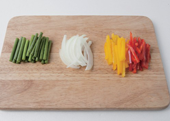
1. **Prepare Vegetables:** Cut garlic scapes, onion, and bell pepper into thin strips, approximately 5cm (2 inches) long. Set aside.
2. **Make Sauce:** Juice the orange (yielding about 200g of pulp/juice). Combine orange juice with lemon juice, sugar, and fine salt. Stir well until the sugar and salt completely dissolve. Set aside for later.
3. **Prepare Fish:** Lightly dust the pacific saury fillets (200g) on both sides with all-purpose flour (30g). This dusting helps the vegetables adhere and protects the fish during cooking, ensuring a tender interior.
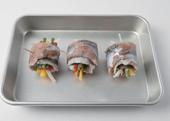
4. **Roll the Fish:** Lay out a saury fillet flat. Place a few strips of prepared garlic scapes, onion, and bell pepper at one end of the fillet. Carefully and tightly roll the fillet to secure the vegetables inside. Repeat this process for all remaining fillets.
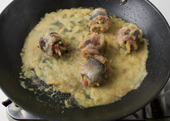
5. **Cook the Rolls:** Heat a non-stick pan over medium heat. Place the Kkongchichaesomali rolls seam-side down in the pan. Cook for 3-4 minutes until the bottom is golden brown. Gently flip and cook for another 3-4 minutes on all sides until the fish is cooked through, approximately 8-10 minutes total. Ensure the internal temperature of the fish reaches 63°C (145°F) for safety.
6. **Garnish and Serve:** Arrange the beautifully cooked Kkongchichaesomali rolls on a serving platter. Drizzle generously with the prepared orange sauce. For a vibrant finish, garnish with fresh perilla leaves, radish sprouts, and assorted sprouts. Serve immediately.
### Mom’s Tips for Perfect Kkongchichaesomali
* **Fillet Quality:** For the best results, use fresh, boneless, and skinless kkongchi fillets. If bones are present, remove them carefully with tweezers before dusting with flour. A slightly thinner fillet makes rolling easier.
* **Rolling Firmness:** Don’t hesitate to roll the fillets quite tightly. This firmness is crucial to prevent the vegetable filling from unraveling during the cooking process. If needed, a single wooden toothpick can temporarily secure the roll while it cooks.
* **Sauce Adjustment:** The balance of the orange sauce is key. Before drizzling, taste it and adjust to your preference. If your orange is very sweet, a tiny extra drop of lemon juice can add brightness; if it’s tart, a whisper more sugar can mellow it.
### Frequently Asked Questions (FAQ)
* **Q: Can I use other types of fish for Kkongchichaesomali?**
A: Yes, while Kkongchi is traditional, you can substitute with other mild white fish fillets like cod, flounder, or even firm-fleshed salmon. Adjust cooking times based on the thickness of your chosen fish.
* **Q: How long can I store leftover Kkongchichaesomali?**
A: Leftover Kkongchichaesomali can be stored in an airtight container in the refrigerator for up to 2-3 days. For best quality, reheat gently in a pan over low heat or briefly in a microwave to avoid overcooking.
📸 Recipe Gallery
📺 For reference, here’s a recommended YouTube video related to “꽁치채소말이”.
📹 Video sourced via YouTube. All rights belong to the respective creator.


![[Video] I Tried the CU Convenience Store Matcha Haul and Here Is What Happened](https://k-foodday.com/wp-content/uploads/2026/05/kfood-1778261738731-300x169.jpg "[Video] I Tried the CU Convenience Store Matcha Haul and Here Is What Happened 13")
![[Video] Why Are Koreans Obsessed With This CU Ramen Hack?](https://k-foodday.com/wp-content/uploads/2026/05/kfood-1778254550472-300x169.jpg "[Video] Why Are Koreans Obsessed With This CU Ramen Hack? 14")
![[Video] Forget Restaurants: This Korean Convenience Store Mala Beats Them All](https://k-foodday.com/wp-content/uploads/2026/05/kfood-1778247346592-300x169.jpg "[Video] Forget Restaurants: This Korean Convenience Store Mala Beats Them All 16")
![[Video] I Tried the Viral Korean Towel Cake and Here Is What Happened](https://k-foodday.com/wp-content/uploads/2026/05/kfood-1778240139237-300x169.jpg "[Video] I Tried the Viral Korean Towel Cake and Here Is What Happened 17")