Unlock the Secret of Maesaengisundubutang: Authentic Flavors from South Korea’s MFDS Data

🇰🇷 The recipe below is based on official Korean MFDS (Ministry of Food and Drug Safety) data.
Discover the heartwarming depths of Maesaengisundubutang (Sea Tangle Soft Tofu Stew), a beloved Korean dish renowned for its delicate flavor and exceptional nutritional benefits. This comprehensive guide provides an authentic Maesaengisundubutang recipe, based on official MFDS (Ministry of Food and Drug Safety) data, ensuring an accurate and traditional cooking experience. Whether you’re looking for how to make Maesaengisundubutang at home or simply curious about this unique Korean comfort food, you’ll find everything you need here, from precise ingredients to expert cooking tips.
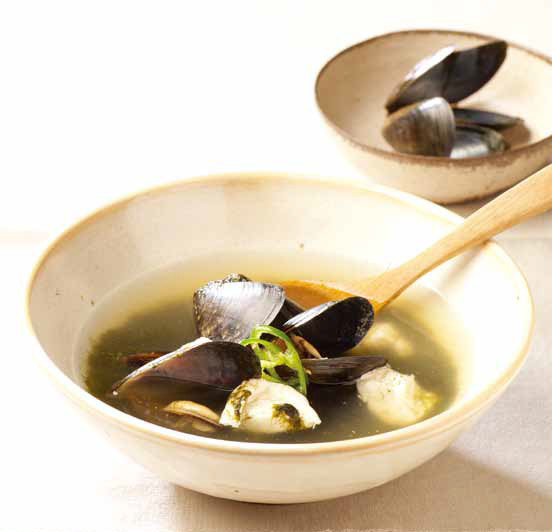
## History of Maesaengisundubutang
Maesaengisundubutang originates from Korea’s coastal regions, particularly popular in the colder months. Maesaengi, a type of edible sea tangle often referred to as “oyster green laver,” is primarily harvested during winter and spring. Historically, it was a precious ingredient, cherished for its rich umami flavor and high nutritional content. Combining maesaengi with soft tofu (sundubu) and seafood like mussels creates a stew that is both deeply satisfying and incredibly healthy, offering a taste of traditional Korean culinary heritage.
## Essential Ingredients for Maesaengisundubutang
This recipe yields approximately one serving. Adjust quantities proportionally for more servings.
**Main Ingredients:**
* Maesaengi: 120g (fresh sea tangle)
* Soft Tofu (Sundubu): 80g (about 1/3 block)
* Mussels (Honghap): 120g (fresh or frozen, cleaned)
* Cheongyang Chili (Putgochu): 5g (about 1/3 pepper), thinly sliced (for a milder stew, use a less spicy green chili or omit)
**Broth Ingredients:**
* Dried Kelp (Dasima): 20g (approx. 10cm square)
* Dried Anchovies (Myeolchi): 60g (about 10 large anchovies)
* Barley Doenjang (Boridoenjang): 15g (1 tablespoon, Korean fermented soybean paste)
* Water: 700ml
## Step-by-Step Cooking Guide
Creating authentic Maesaengisundubutang involves a few simple steps, resulting in a robust and nourishing stew.
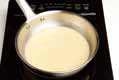
1. **Prepare the Broth:** In a pot, combine 700ml of water with dried kelp and dried anchovies. Bring to a boil over medium-high heat, then reduce heat and simmer for 15 minutes to extract a rich stock. Remove the kelp and anchovies, then dissolve the barley doenjang in the broth, stirring until fully incorporated.
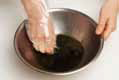
2. **Prepare Main Ingredients:** While the broth simmers, gently rinse the maesaengi in cold water, removing any impurities, and drain thoroughly. Prepare the soft tofu by carefully cutting it into bite-sized pieces or simply spooning it into the pot. Clean the mussels thoroughly, scrubbing shells and removing any beards. Slice the cheongyang chili thinly.
3. **Combine and Cook:** Add the cleaned mussels and soft tofu to the prepared doenjang broth. Bring the stew to a gentle boil and cook for 3-5 minutes, or until the mussels open.
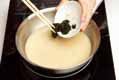
4. **Add Maesaengi and Finish:** Gently add the maesaengi to the boiling stew. Stir lightly to ensure it’s submerged. Cook for just 1-2 minutes until the maesaengi turns a vibrant green and softens. Overcooking maesaengi can make it mushy and diminish its unique flavor.
5. **Serve:** Stir in the sliced cheongyang chili just before serving. Taste and adjust seasoning if necessary, though the doenjang and mussels provide ample flavor. Serve immediately in a hot ttukbaegi (earthenware pot) with a bowl of rice.
## Nutrition Facts
Based on official MFDS data for one serving of Maesaengisundubutang:
* **Calories:** 10.4 kcal
*Note: The provided calorie count is from the MFDS data. This dish offers a lean, flavorful, and nutrient-dense option, packed with minerals from the sea tangle and protein from tofu and mussels.*
## Mom’s Tips for Perfect Maesaengisundubutang
* **Handle Maesaengi Gently:** Maesaengi is delicate. When washing, do so quickly and gently to retain its freshness and unique aroma. Avoid squeezing it too hard.
* **Don’t Overcook Maesaengi:** The key to delicious maesaengi is quick cooking. It only needs a minute or two in the hot stew to soften and turn bright green. Overcooking will result in a loss of texture and flavor.
* **Broth is Key:** A flavorful broth forms the foundation of this stew. If you can’t find barley doenjang, regular doenjang works, but barley doenjang offers a slightly richer and nuttier profile. For extra depth, you can lightly roast the dried anchovies before making the broth.
## Frequently Asked Questions
**Q: Can I use dried maesaengi instead of fresh?**
A: Yes, dried maesaengi can be used. Rehydrate it according to package instructions before adding it to the stew. However, fresh maesaengi offers a superior texture and fragrance.
**Q: What if I can’t find mussels?**
A: While mussels are traditional, you can substitute them with other seafood like clams, shrimp, or even small oysters for a different, but still delicious, flavor profile.
📸 Recipe Gallery
📺 For reference, here’s a recommended YouTube video related to “매생이순두부탕”.
📹 Video sourced via YouTube. All rights belong to the respective creator.


![[Video] I Tried the CU Convenience Store Matcha Haul and Here Is What Happened](https://k-foodday.com/wp-content/uploads/2026/05/kfood-1778261738731-300x169.jpg "[Video] I Tried the CU Convenience Store Matcha Haul and Here Is What Happened 13")
![[Video] Why Are Koreans Obsessed With This CU Ramen Hack?](https://k-foodday.com/wp-content/uploads/2026/05/kfood-1778254550472-300x169.jpg "[Video] Why Are Koreans Obsessed With This CU Ramen Hack? 14")
![[Video] Forget Restaurants: This Korean Convenience Store Mala Beats Them All](https://k-foodday.com/wp-content/uploads/2026/05/kfood-1778247346592-300x169.jpg "[Video] Forget Restaurants: This Korean Convenience Store Mala Beats Them All 16")
![[Video] I Tried the Viral Korean Towel Cake and Here Is What Happened](https://k-foodday.com/wp-content/uploads/2026/05/kfood-1778240139237-300x169.jpg "[Video] I Tried the Viral Korean Towel Cake and Here Is What Happened 17")