Why Tomatoramyeon Is Korea’s Soul Food: Full Recipe, Nutrition & Cultural History

🇰🇷 The recipe below is based on official Korean MFDS (Ministry of Food and Drug Safety) data.
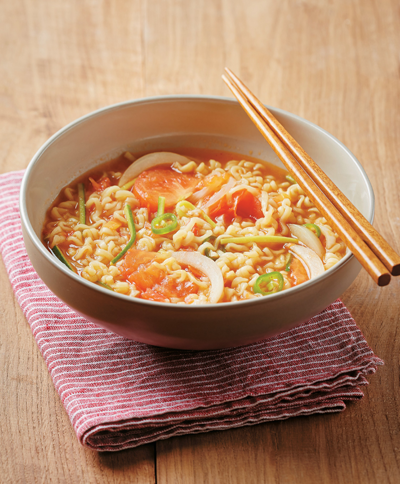
This guide is based on official MFDS (Ministry of Food and Drug Safety) data, ensuring an authentic and trustworthy recipe for Tomatoramyeon. If you’re looking for a refreshing twist on classic Korean instant noodles, learning how to make Tomatoramyeon (Tomato Ramen) is a fantastic culinary adventure. This dish offers a delightful balance of savory ramen broth with the tangy sweetness of fresh tomatoes, creating a unique and comforting experience. This article will provide you with precise ingredients, step-by-step instructions, essential nutrition information, and practical tips to master this Korean food sensation.
## History of Tomatoramyeon
While instant ramyeon is a staple in Korean cuisine, Tomatoramyeon isn’t a traditional, centuries-old dish. It’s a modern, creative fusion reflecting the evolving palates of Koreans and the global influence on local cooking. The integration of tomatoes, a relatively recent addition to Asian diets compared to traditional ingredients, into popular dishes like ramyeon showcases a contemporary approach to comfort food. This particular rendition highlights a lighter, more wholesome take on instant noodles, elevating it beyond a simple quick meal.
## Essential Ingredients for Tomatoramyeon
Preparing delicious Tomatoramyeon starts with fresh, quality ingredients. This recipe yields one serving.
* **Fresh Produce:**
* Tomato: 300g (about 1-2 medium tomatoes)
* Aehobak (Korean zucchini): 30g (or use regular zucchini, finely sliced)
* Yangpa (Onion): 20g (roughly 1/8 of a small onion, sliced)
* Cheongyang Gochu (Cheongyang chili pepper): 5g (1 small pepper, thinly sliced; adjust for less spice)
* Daepa (Green onion/Scallion): 5g (about 1 stalk, chopped)
* **Ramyeon Components:**
* Ramyeon noodles: 100g (1 standard instant ramen packet, noodles only)
* Ramen seasoning: 3g (from your ramen packet; a small portion for a milder broth)
* **Broth Base:**
* Mul (Water): 250g
* Dasima (Dried kelp): 2.5g (small piece, about 2×2 inches)
* Myeolchi (Dried anchovies): 2.5g (2-3 medium anchovies, head and guts removed)
* Mu (Korean radish): 10g (small slice, about 1-inch thick)
## How to Make Tomatoramyeon: Steps
Follow these precise steps for a perfectly balanced Tomatoramyeon.
1. **Prepare Broth:** In a small pot, combine 250g water, 2.5g dasima, 2.5g myeolchi, and 10g mu. Bring to a boil over medium-high heat, then reduce heat and simmer for 10 minutes. Remove the dasima, myeolchi, and mu, leaving a clear, flavorful broth.
2. **Add Vegetables:** To the simmering broth, add the sliced 20g yangpa and 300g diced tomato. Cook for 3-5 minutes until the tomatoes soften slightly and release their juices.
3. **Introduce Ramyeon:** Carefully add the 100g ramyeon noodles to the pot. Stir in 3g of the ramen seasoning from the packet. Cook for 2-3 minutes, or according to your ramyeon packet’s instructions, until the noodles are almost cooked.
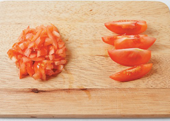
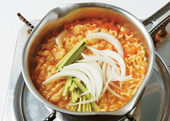
4. **Final Veggies and Spice:** Add 30g aehobak and 5g cheongyang gochu to the pot. Continue to cook for another 1-2 minutes until the aehobak is tender-crisp.
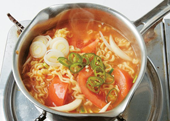
5. **Garnish and Serve:** Transfer the Tomatoramyeon to a serving bowl. Garnish with 5g chopped daepa. Serve immediately.
## Tomatoramyeon Nutrition
Based on official MFDS data for one serving:
| Nutrient | Amount |
| :————– | :———– |
| Calories | 190.4 kcal |
| Carbohydrates | 34.1 g |
| Protein | 7.1 g |
| Fat | 2.5 g |
| Sodium | 853.6 mg |
## Mom’s Tips for Perfect Tomatoramyeon
* **Tomato Quality:** Use ripe, firm tomatoes for the best flavor. Roma or plum tomatoes work well as they hold their shape and provide good texture. If you prefer a smoother broth, gently mash some of the cooked tomatoes against the side of the pot.
* **Noodle Texture:** Don’t overcook your noodles! They should be slightly chewy (al dente). Add them at the instructed time and remove from heat promptly for the best texture.
* **Spice Level:** The 5g Cheongyang Gochu provides a moderate kick. For less spice, use a milder green chili or omit it. For more heat, add another pepper or a dash of gochugaru (Korean chili powder).
## Cultural & Regional Notes
Tomatoramyeon embodies a popular trend in Korea where home cooks and restaurants adapt instant ramen with fresh ingredients to create more gourmet and personalized meals. While not a regional specialty from a particular province, it represents the creative spirit of Korean cuisine, blending convenience with fresh produce for a healthier and more flavorful experience. It’s a dish that highlights resourcefulness and a love for culinary experimentation.
## FAQ
**Q: Can I use vegetable broth instead of making anchovy-kelp broth?**
A: Yes, you can substitute the homemade broth with 250g of good quality vegetable broth for a vegetarian option, though the traditional umami depth will be slightly different.
**Q: What if I don’t have aehobak or mu?**
A: For aehobak, regular zucchini is a perfect substitute. If mu is unavailable, you can omit it from the broth; the main flavor will still come from the dasima and myeolchi.
📸 Recipe Gallery
📺 For reference, here’s a recommended YouTube video related to “토마토라면”.
📹 Video sourced via YouTube. All rights belong to the respective creator.


![[Video] I Tried the CU Convenience Store Matcha Haul and Here Is What Happened](https://k-foodday.com/wp-content/uploads/2026/05/kfood-1778261738731-300x169.jpg "[Video] I Tried the CU Convenience Store Matcha Haul and Here Is What Happened 13")
![[Video] Why Are Koreans Obsessed With This CU Ramen Hack?](https://k-foodday.com/wp-content/uploads/2026/05/kfood-1778254550472-300x169.jpg "[Video] Why Are Koreans Obsessed With This CU Ramen Hack? 14")
![[Video] Forget Restaurants: This Korean Convenience Store Mala Beats Them All](https://k-foodday.com/wp-content/uploads/2026/05/kfood-1778247346592-300x169.jpg "[Video] Forget Restaurants: This Korean Convenience Store Mala Beats Them All 16")
![[Video] I Tried the Viral Korean Towel Cake and Here Is What Happened](https://k-foodday.com/wp-content/uploads/2026/05/kfood-1778240139237-300x169.jpg "[Video] I Tried the Viral Korean Towel Cake and Here Is What Happened 17")