Unlock the Secret of Asak: Authentic Flavors from South Korea’s MFDS Data
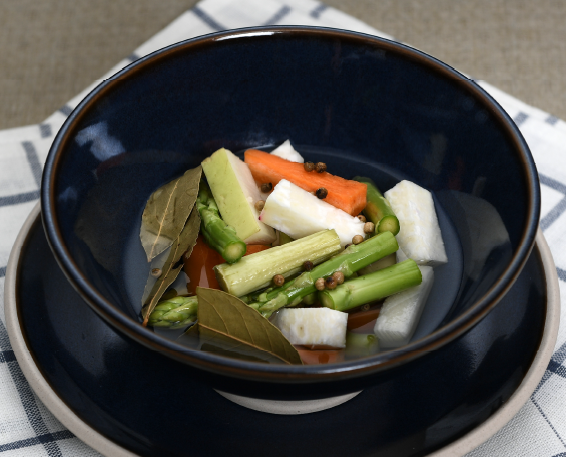
🇰🇷 The recipe below is based on official Korean MFDS (Ministry of Food and Drug Safety) data.
Asak (Korean: 아삭), meaning “crunchy” or “crisp” in Korean, is a refreshing and vibrant Korean quick pickle or salad designed to awaken your palate with its delightful texture. This guide provides an authentic **Asak recipe**, focusing on crisp vegetables bathed in a sweet and sour brine. It’s a perfect banchan (side dish) that complements any meal, offering a tangy counterpoint to richer flavors. You’ll learn how to prepare this simple yet impactful dish, ensuring that coveted “asak” crunch. This guide, including ingredients and nutrition, is based on official MFDS (Ministry of Food and Drug Safety) data, while the preparation steps reflect traditional Korean cooking practices for quick pickles.
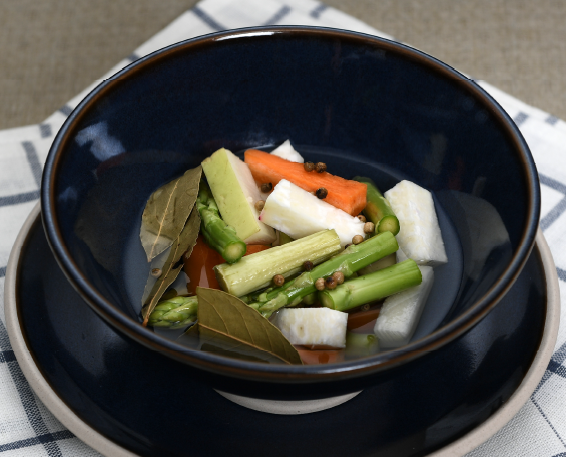
### How to Make Asak: Ingredients You’ll Need
Creating this crisp Korean delight requires just a few fresh vegetables and staple pantry items. The beauty of Asak lies in its simplicity and the balance of its flavors.
**Ingredients:**
* Asparagus: 5 pcs (fresh, firm)
* Carrot: 100g (peeled)
* Radish (Mu): 100g (peeled)
* White Vinegar: 200g
* Sugar: 200g
* Bay Leaves: 3 pcs
* Whole Black Peppercorns: 20 pcs
* Salt: 0.5g
**Substitutes:** For radish (Mu), daikon radish is a common and excellent substitute. Any firm, crunchy vegetable like cucumber or bell peppers could also be added or substituted if asparagus is unavailable, though the classic Asak uses the specified ingredients for its distinct profile.
### Nutrition Information
Based on official MFDS data for the specified ingredients, one serving of Asak (approximately 100g) provides:
| Nutrient | Amount |
| :———- | :———- |
| Calories | 96.5 kcal |
| Carbohydrates | 24.3g |
| Sugars | 23.9g |
| Protein | 0.9g |
| Fat | 0.1g |
| Sodium | 197mg |
### Step-by-Step Cooking Guide for Asak
Preparing Asak is straightforward, making it an ideal dish for both beginners and experienced cooks. Follow these steps to achieve the perfect crisp texture and balanced flavor.
1. **Prepare the Vegetables:**
* Wash the asparagus thoroughly. Trim the woody ends. Slice the asparagus into 4-5 cm (2-inch) pieces.
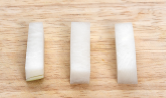
* Peel the carrot and radish. Cut them into thin matchsticks or small, bite-sized rectangular pieces, roughly 3-4 cm long and 0.5 cm thick. Aim for uniform size for even pickling.
2. **Make the Pickling Brine:**
* In a saucepan, combine the white vinegar (200g), sugar (200g), salt (0.5g), bay leaves (3 pcs), and whole black peppercorns (20 pcs).
* Bring the mixture to a gentle simmer over medium heat, stirring occasionally until the sugar and salt are completely dissolved. Do not boil vigorously; just let it heat through until clear. Remove from heat and let it cool slightly.
3. **Combine and Pickle:**
* Place all the prepared asparagus, carrot, and radish into a clean, heat-proof glass jar or container.
* Carefully pour the still-warm (not boiling hot) brine over the vegetables, ensuring they are fully submerged.
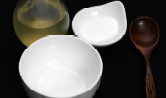
* Let the mixture cool completely to room temperature.
4. **Chill and Serve:**
* Once cooled, cover the container tightly and refrigerate for at least 2-4 hours, or preferably overnight, to allow the flavors to meld and the vegetables to absorb the brine.
* Asak is best served chilled. The longer it sits, the more developed the flavors will become, and the texture will remain perfectly crisp.
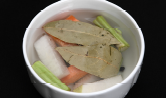
### Mom’s Tips for Perfect Asak
* **Embrace the Chill:** For the ultimate “asak” crunch, ensure your vegetables are very cold before serving. A longer chilling time in the brine (up to 24 hours) will enhance both flavor and texture.
* **Balance is Key:** While the recipe provides exact measurements, feel free to adjust the sugar and vinegar slightly to match your preference for sweetness or tanginess. A little more salt can also enhance the crispness.
* **Don’t Overcook the Brine:** The brine only needs to simmer until the sugar dissolves. Over-boiling can reduce the vinegar’s acidity and dull the vibrant flavor.
### Cultural and Regional Significance
Asak is a testament to the Korean love for fresh, crisp textures in their cuisine. Often served as a banchan, it provides a bright, acidic contrast to heavier main dishes, cleansing the palate and encouraging appetite. Its simplicity makes it a popular choice for home cooks looking for a quick and healthy side. The name itself, “Asak,” directly translates to the sound of crunching, highlighting the prized characteristic of this dish.
### FAQ
**Q1: How long can I store Asak?**
A1: When stored in an airtight container in the refrigerator, Asak can typically be kept for up to one week. Its crispness is best within the first 3-4 days.
**Q2: Can I use different vegetables for Asak?**
A2: Absolutely! While the traditional recipe uses asparagus, carrot, and radish, you can experiment with other firm vegetables like cucumbers, bell peppers, or even broccoli florets for a similar crunchy pickle experience.
[Total Characters: 2195]
📸 Recipe Gallery
📺 For reference, here’s a recommended YouTube video related to “아삭”.
📹 Video sourced via YouTube. All rights belong to the respective creator.