Why Baechutoranguk Is Korea’s Soul Food: Full Recipe, Nutrition & Cultural History
🇰🇷 The recipe below is based on official Korean MFDS (Ministry of Food and Drug Safety) data.
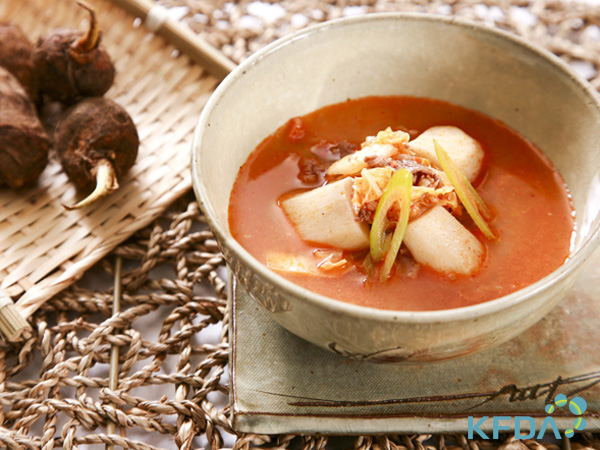
This guide is based on official MFDS (Ministry of Food and Drug Safety) data, offering an authentic Baechutoranguk recipe. Discover how to make Baechutoranguk (Napa Cabbage and Taro Soup), a comforting and traditional Korean dish. Cherished for its wholesome ingredients and deep, savory flavor, this comprehensive guide ensures a delicious, nutritious meal, perfect for colder months.
## Nutrition Profile
Based on official MFDS data, a single serving of Baechutoranguk provides:
* Calories: 77.7 kcal
This soup offers balanced nutrition with carbohydrates from taro, protein from beef, and vitamins from napa cabbage. It’s a nourishing, satisfying choice.
## The Story Behind Baechutoranguk
Baechutoranguk is deeply rooted in Korea’s culinary heritage, utilizing seasonal ingredients. Taro (toran), harvested in autumn, makes this soup a comforting staple as weather cools. Paired with napa cabbage (baechu), which sweetens when cooked, and a savory dwenjang (fermented soybean paste) broth, the dish embodies traditional Korean home cooking. It’s a classic “guk” (soup) balancing earthiness with gentle sweetness, offering warmth and sustenance. Its long history showcases resourceful cooking, transforming simple produce into a flavorful, nutritious dish.
## Authentic Baechutoranguk Ingredients
To prepare authentic Baechutoranguk, gather these fresh ingredients, based on MFDS recommendations for one serving:
* Taro (Toran): 50g (peeled, sliced)
* Beef Brisket (Sogogi Yangji): 15g (thinly sliced) – *Sub: Lean stew meat.*
* Napa Cabbage (Baechu): 10g (chopped)
* Green Onion (Daepa): 2.5g (sliced)
* Minced Garlic (Dajin Maneul): 1.25g
* Chili Powder (Gochutgaru): 1.7g (adjust to taste)
* Dwenjang (Fermented Soybean Paste): 9g (crucial for authentic flavor)
* Water: 180g
* Sesame Oil (Chamgireum): 1g
## Mom’s Cooking Tips for Baechutoranguk
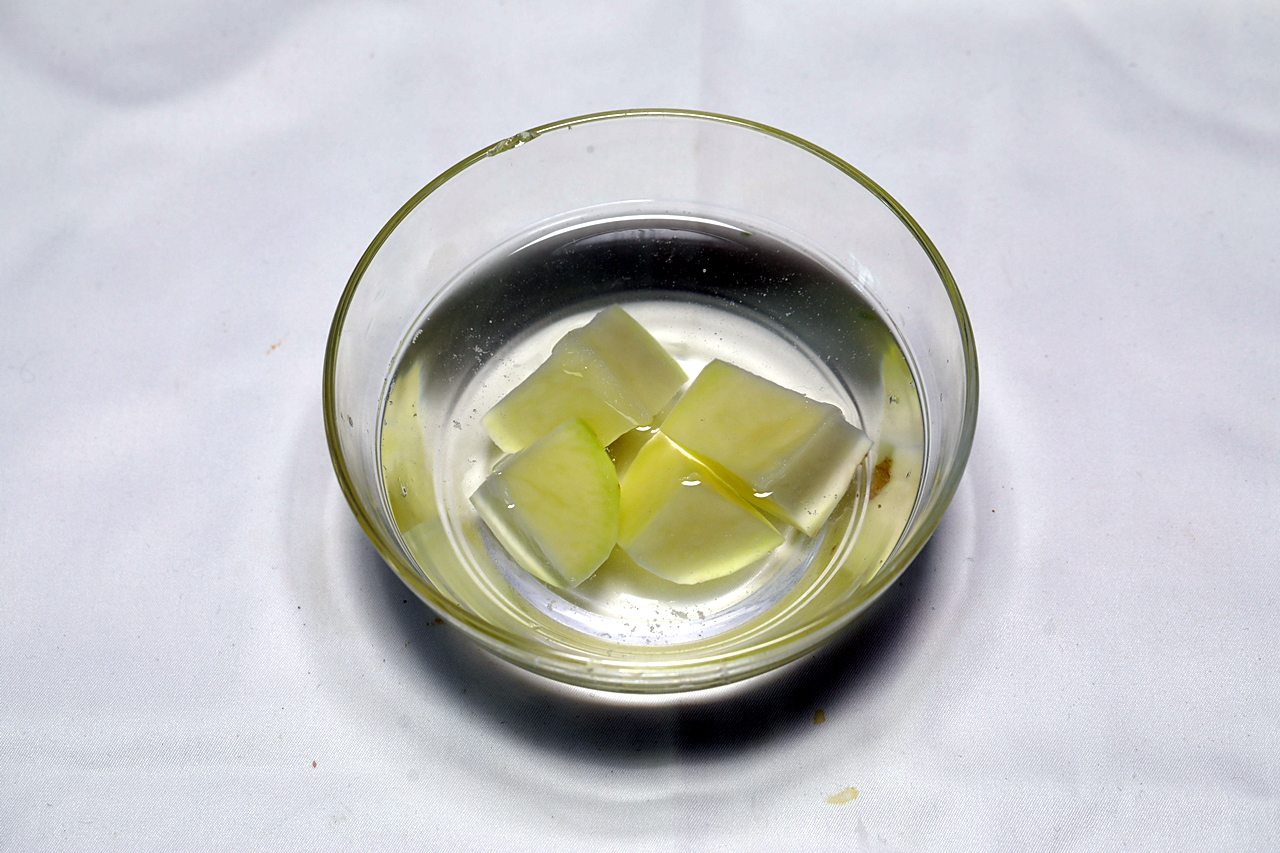
1. **Taro Preparation:** Taro can be mildly irritating. Peel it under running water or wear gloves. Soaking sliced taro in cold water for 10-15 minutes removes any acridity. Par-boiling separately for a few minutes ensures a smoother texture.
2. **Dwenjang Quality:** The soup’s flavor hinges on dwenjang. Use a good quality, traditionally fermented Korean dwenjang for the best, most authentic taste.
3. **Simmer for Depth:** Allow the soup to simmer gently for at least 15-20 minutes after adding all ingredients. This crucial step lets flavors meld beautifully, creating a richer broth.
## Step-by-Step Baechutoranguk Recipe
Achieving perfect Baechutoranguk is simple with these precise steps:
1. **Prepare Ingredients:** Peel and slice taro (50g). Thinly slice beef brisket (15g). Chop napa cabbage (10g). Slice green onion (2.5g).
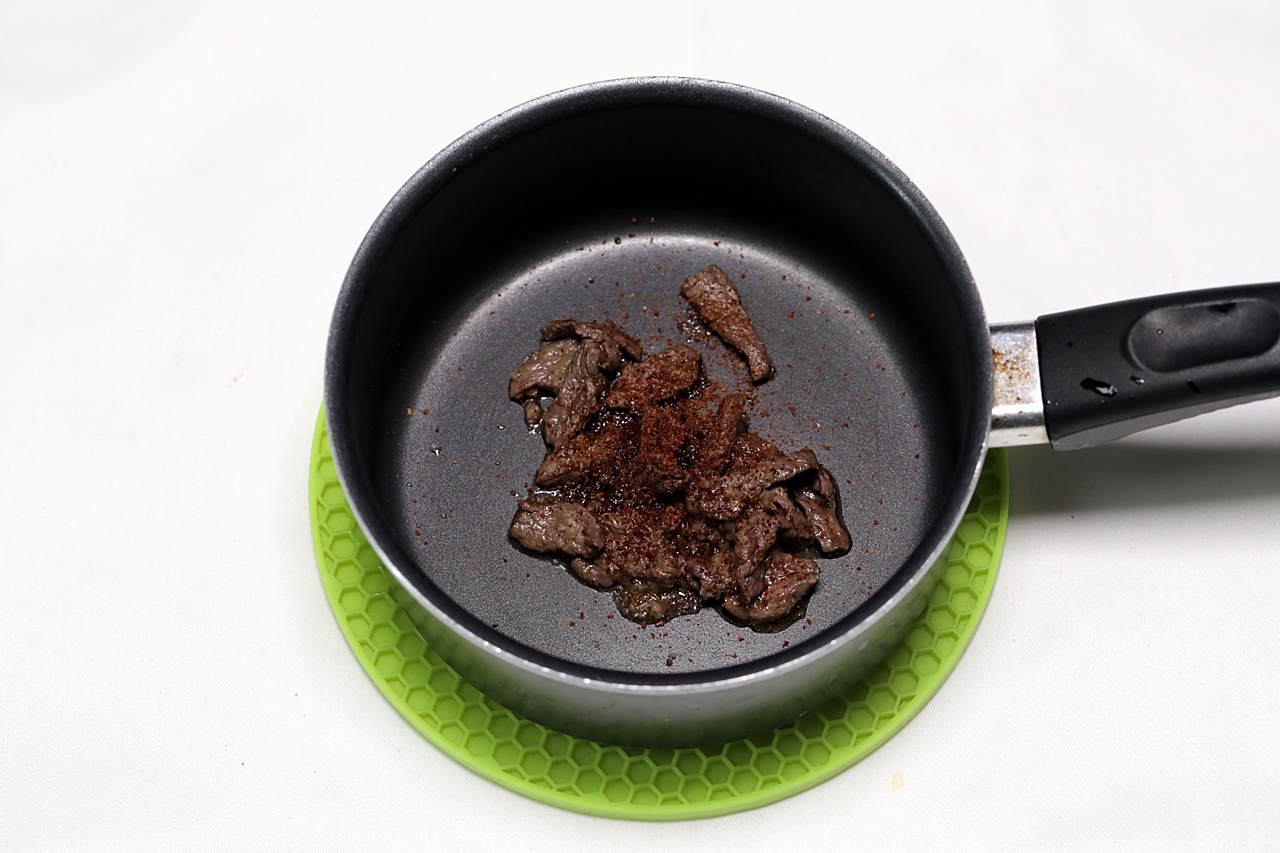
2. **Sauté Beef:** Heat sesame oil (1g) in a pot over medium heat. Add minced garlic (1.25g) and beef brisket. Sauté until beef is lightly browned and fragrant.
3. **Add Dwenjang & Chili:** Stir in dwenjang (9g) and chili powder (1.7g). Sauté for another minute to bloom flavors.
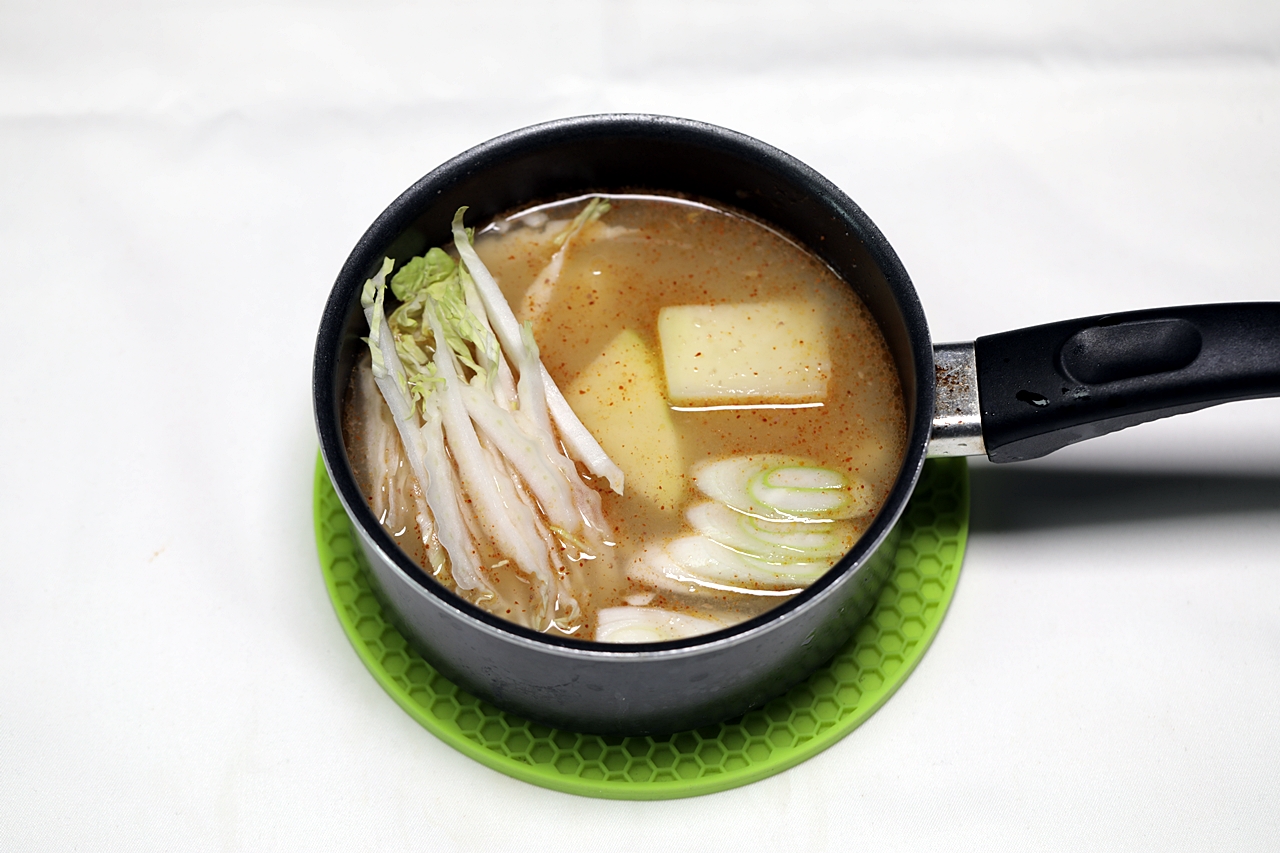
4. **Add Water & Taro:** Pour in water (180g) and add sliced taro. Bring to a boil, then reduce heat and simmer 10 minutes until taro softens.
5. **Incorporate Vegetables:** Add chopped napa cabbage. Continue simmering 5-7 minutes until cabbage is tender.
6. **Final Touches:** Stir in sliced green onion. Taste and adjust seasoning. Serve hot.
## Frequently Asked Questions
**Q: Can I make Baechutoranguk vegetarian?**
A: Yes, omit beef and use vegetable broth. Ensure your dwenjang is vegetarian-friendly.
**Q: How do I store leftover Baechutoranguk?**
A: Cool completely, then store in an airtight container in the refrigerator for up to 3 days. Reheat gently, adding water if needed.
📸 Recipe Gallery
📺 For reference, here’s a recommended YouTube video related to “배추토란국”.
📹 Video sourced via YouTube. All rights belong to the respective creator.