Chamoekkakdugi Recipe: Everything You Need to Know About This Iconic Korean Dish
🇰🇷 The recipe below is based on official Korean MFDS (Ministry of Food and Drug Safety) data.
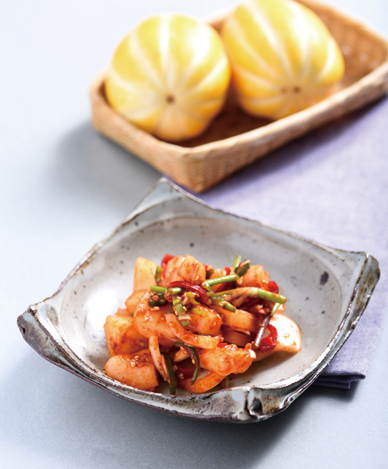
This guide on **how to make Chamoekkakdugi (Korean Melon Kimchi)** is based on official MFDS (Ministry of Food and Drug Safety) data, ensuring authenticity and precise nutritional information. Chamoekkakdugi is a refreshing and unique traditional Korean side dish, perfect for summer meals. This post will walk you through the authentic Chamoekkakdugi recipe, from its history to step-by-step preparation, helping you bring this delightful flavor into your home.
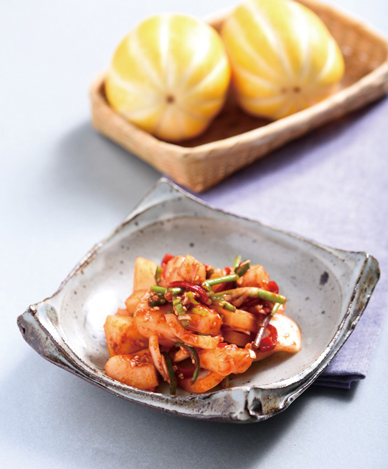
## Chamoekkakdugi Nutrition Facts
Based on official MFDS data for one serving, Chamoekkakdugi offers a light and healthy profile:
* **Calories:** 64.1 kcal
* **Carbohydrates:** 14.24 g
* **Protein:** 2.05 g
* **Fats:** 0.35 g
* **Sodium:** 270.21 mg
## The History of Chamoekkakdugi
Chamoekkakdugi is a cherished, albeit lesser-known, variant of kimchi, originating from regions where chamoee (Korean melon) is abundant. Unlike the more common napa cabbage kimchi, Chamoekkakdugi offers a delightful sweet and crunchy texture. It’s a seasonal delicacy, especially popular during warmer months, reflecting the Korean culinary tradition of fermenting or pickling various seasonal produce to create refreshing side dishes. Its crispness and subtle sweetness provide a wonderful contrast to richer main courses.
## Ingredients for Authentic Chamoekkakdugi
Gather these fresh ingredients for your delicious Chamoekkakdugi:
* **Main Ingredients:**
* Chamoee (Korean Melon): 200g, peeled, deseeded, diced into 2×2 cm cubes
* Onion: 60g, thinly sliced
* Green Chili (Cheong-gochu): 17g, sliced
* Red Chili (Hong-gochu): 17g, sliced
* Large Green Onion (Daepa): 15g, chopped
* Water Dropwort (Minari): 20g, cut into 2-3 cm pieces
* **Seasoning (Yangnyeomjang):**
* Low-sodium Soy Sauce: 15g
* Ginger Syrup (Saenggangcheong): 10g
* Gochugaru (Korean Chili Powder): 10g
* Toasted Sesame Seeds (Tongkkae): 5g
* Minced Garlic (Dajin Maneul): 5g
**Ingredient Substitutes:** If Minari is unavailable, fresh parsley or chives can offer a similar fresh note, though the authentic flavor will differ slightly. For Chamoee, a firm, slightly sweet cucumber can be a last resort, but it won’t fully replicate the melon’s unique crunch.
## Mom’s Tips for Perfect Chamoekkakdugi
* **Crisp Melon is Key:** Always choose firm, unripe chamoee to ensure that signature crisp texture. For an extra crunch, lightly salt the diced melon for 10-15 minutes, then rinse thoroughly and pat dry before mixing.
* **Balanced Flavor Profile:** The ginger syrup not only adds sweetness but also an aromatic depth. Adjust the amount of gochugaru to suit your personal spice preference; a little less makes it milder.
* **Enjoy Fresh:** Chamoekkakdugi is best savored fresh or within a few days of preparation when the melon’s crispness and refreshing taste are at their peak. Store it in an airtight container in the refrigerator.
## Step-by-Step Chamoekkakdugi Recipe
Follow these clear steps to prepare your own traditional Chamoekkakdugi:
1. **Prepare Chamoee:** Peel, deseed, and dice the chamoee into uniform 2×2 cm cubes. If you opted to salt them, rinse well and pat dry.
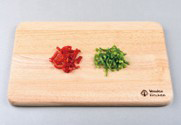
2. **Chop Vegetables:** Thinly slice the onion. Slice both the green and red chilies. Chop the large green onion, and cut the minari into 2-3 cm lengths.
3. **Mix Seasoning:** In a spacious mixing bowl, combine the low-sodium soy sauce, ginger syrup, gochugaru, toasted sesame seeds, and minced garlic to create a well-blended yangnyeomjang.
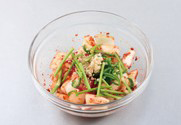
4. **Combine Ingredients:** Add the prepared chamoee, sliced onion, green chili, red chili, chopped large green onion, and minari to the bowl with the seasoning paste.
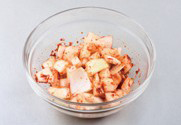
5. **Mix Thoroughly:** Using clean hands (gloves recommended), gently toss and mix all the ingredients. Ensure that the chamoee and other vegetables are evenly coated with the seasoning. Be careful not to mash the delicate melon cubes.
6. **Serve:** Transfer the freshly made Chamoekkakdugi to a clean serving dish. It’s ready to be enjoyed immediately, or you can chill it briefly to allow the flavors to further meld and enhance its refreshing quality.
## Frequently Asked Questions about Chamoekkakdugi
* **Q: Can Chamoekkakdugi be fermented like traditional kimchi?**
A: While it can undergo very light fermentation, Chamoekkakdugi is typically consumed fresh or lightly aged to preserve the chamoee’s distinct crispness and refreshing flavor, which would be diminished by deep fermentation.
* **Q: What dishes pair well with Chamoekkakdugi?**
A: Its light and uniquely refreshing profile makes it an excellent accompaniment to rich Korean meat dishes like galbi or bulgogi. It also wonderfully complements simple rice and soup, offering a vibrant contrast to any meal.
📸 Recipe Gallery
📺 For reference, here’s a recommended YouTube video related to “참외깍두기”.
📹 Video sourced via YouTube. All rights belong to the respective creator.