Why Chijayeongeunmulgimchi Is Korea’s Soul Food: Full Recipe, Nutrition & Cultural History
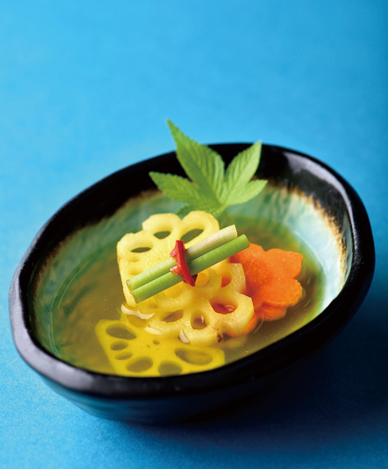
🇰🇷 The recipe below is based on official Korean MFDS (Ministry of Food and Drug Safety) data.
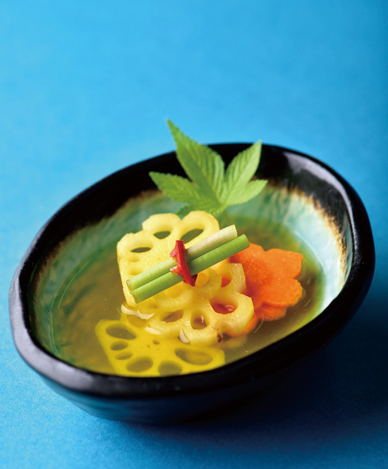
This guide is based on official MFDS (Ministry of Food and Drug Safety) data, ensuring an authentic and nutritious approach to traditional Korean cuisine. Are you looking for a refreshing, unique kimchi that stands out from the fiery red varieties? Then learning how to make Chijayeongeunmulgimchi (Gardenia Lotus Root Water Kimchi) is a must. This vibrant, naturally yellow water kimchi offers a delightful crunch and a subtly sweet, tangy flavor, making it a perfect side dish for any meal. This comprehensive Chijayeongeunmulgimchi recipe will walk you through each step, drawing on expert knowledge for a truly authentic experience.
## Nutrition
Based on official MFDS data for a single serving of Chijayeongeunmulgimchi, this dish offers a healthful balance of nutrients, with the lotus root providing dietary fiber and the gardenia powder contributing unique beneficial compounds.
|Nutrient|Amount|
|—|—|
|Calories|80.9 kcal|
|Carbohydrates|18.5g|
|Sugars|7.2g|
|Protein|2.1g|
|Fat|0.5g|
|Sodium|550mg|
|Dietary Fiber|3.8g|
## History
Chijayeongeunmulgimchi is a historically significant variety of mul-kimchi (water kimchi), a category of Korean kimchi characterized by its refreshing, non-spicy brine. Historically, water kimchis were consumed year-round, offering a hydrating and probiotic-rich side dish, especially during warmer months. The distinctive use of gardenia (Chija) to impart a natural yellow hue and a subtle, earthy fragrance sets this particular kimchi apart. Gardenia has been traditionally used in Korea not only as a natural dye but also for its perceived health benefits. Combining it with crisp lotus root (Yeongeun), a vegetable cherished for its texture and nutritional value, creates a kimchi that embodies both culinary artistry and traditional wisdom.
## Ingredients
To create authentic Chijayeongeunmulgimchi, gather the following fresh ingredients. Exact measurements ensure the perfect balance of flavors.
* Lotus Root (Yeongeun): 200g, peeled and thinly sliced
* Carrot (Danggeun): 40g, julienned
* Water Parsley (Minari): 20g, cut into 3-4 cm lengths (celery leaves or flat-leaf parsley can be a mild substitute)
* Green Chili (Cheonggochu): 15g, thinly sliced
* Red Chili (Honggochu): 18g, thinly sliced
* Garlic Cloves (Almaneul): 12g, thinly sliced
* Gardenia Powder (Chijagarue): 15g (essential for color and flavor; difficult to substitute authentically)
* Ginger Syrup (Saenggangcheong): 30g (fresh ginger juice with a touch of sugar can be used)
* Vinegar (Sikcho): 15g (apple cider vinegar or white vinegar works)
* Roasted Salt (Bokkeun Sogeum): 5g (fine sea salt can be used)
* Sugar (Seoltang): 7g
## Tips from Mom
* **Prep the Lotus Root Right:** To prevent discoloration and ensure crispness, blanch sliced lotus root in boiling water for 1-2 minutes immediately after slicing, then quickly shock in ice water. This also removes any bitterness.
* **Balancing Sweetness and Tang:** The ratio of ginger syrup, vinegar, and sugar is key. Taste the brine before adding vegetables and adjust to your preference – a little more ginger syrup for warmth, or a dash more vinegar for tang.
* **Patience for Color:** The beautiful yellow color from the gardenia powder intensifies over time as the kimchi ferments. Don’t rush it; give it at least a full day in the refrigerator for the color to fully develop.
## Steps to Make Chijayeongeunmulgimchi
Follow these precise steps to prepare your own delicious Chijayeongeunmulgimchi.
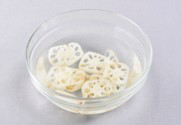
1. **Prepare Lotus Root:** Peel and thinly slice the 200g lotus root. Blanch in boiling water for 1 minute, then immediately transfer to an ice bath to cool. Drain thoroughly.
2. **Chop Vegetables:** Prepare the remaining vegetables: julienne 40g carrot, cut 20g water parsley into 3-4 cm lengths, thinly slice 15g green chili, 18g red chili, and 12g garlic cloves.
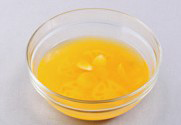
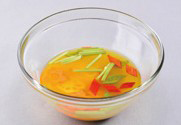
3. **Make Gardenia Brine Base:** In a large bowl, dissolve 15g gardenia powder in about 500ml of warm water. Let it sit for 5 minutes for the color to fully extract. Strain the liquid to remove any undissolved particles.
4. **Season the Brine:** To the strained gardenia liquid, add 30g ginger syrup, 15g vinegar, 5g roasted salt, and 7g sugar. Stir well until all ingredients are dissolved. Taste and adjust seasoning if necessary.
5. **Combine Ingredients:** In a clean container or jar, gently combine the prepared lotus root, carrot, water parsley, green chili, red chili, and garlic slices.
6. **Pour Brine:** Carefully pour the seasoned gardenia brine over the vegetables, ensuring they are fully submerged.
7. **Fermentation and Storage:** Cover the container tightly. Let it sit at room temperature for 4-6 hours, or until tiny bubbles appear, indicating the start of fermentation. Then, transfer to the refrigerator. Chijayeongeunmulgimchi is best enjoyed chilled after at least 24 hours in the fridge, allowing flavors to meld and the color to deepen.
## FAQ
**Q: Can I make Chijayeongeunmulgimchi spicier?**
A: While traditional Chijayeongeunmulgimchi is mild, you can add a few extra slices of green or red chili, or a pinch of gochugaru (Korean chili powder) to the brine for a subtle kick.
**Q: How long does Chijayeongeunmulgimchi last?**
A: Stored properly in the refrigerator, it can last for up to 2-3 weeks. Its crispness and refreshing taste are best within the first week.
📸 Recipe Gallery
📺 For reference, here’s a recommended YouTube video related to “치자연근물김치”.
📹 Video sourced via YouTube. All rights belong to the respective creator.