Why Doenjangkeurimsoseu Japgok Omeuraiseu Is Korea’s Soul Food: Full Recipe, Nutrition & Cultural History
🇰🇷 The recipe below is based on official Korean MFDS (Ministry of Food and Drug Safety) data.
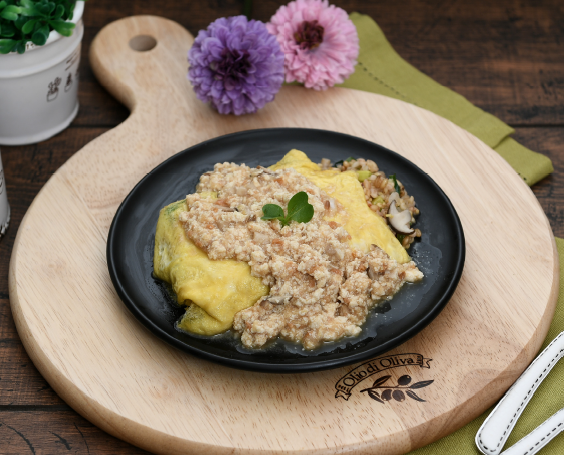
Doenjangkeurimsoseu Japgok Omeuraiseu (Fermented Soybean Paste Cream Sauce Multi-Grain Omurice) offers a unique Korean culinary experience, blending wholesome grains with a rich, savory doenjang cream sauce. This guide provides an authentic how to make Doenjangkeurimsoseu Japgok Omeuraiseu, creating a nutritious and comforting meal. This guide is based on official MFDS (Ministry of Food and Drug Safety) data, ensuring accuracy in ingredients and preparation for a genuine taste of Korean food.
### Mom’s Expert Tips
* **Multi-Grain Rice Texture:** Ensure your multi-grain rice is cooked slightly firm. It will be stir-fried later, so overcooked rice can become mushy. Use a rice cooker’s multi-grain setting if available.
* **Silky Omelet:** For a perfectly half-cooked, silky egg omelet, use medium-low heat. Gently push cooked egg towards the center, letting uncooked egg flow. Remove from heat when still slightly runny for the ideal omurice texture.
* **Doenjang Sauce Balance:** The doenjang cream sauce should be smooth and pourable. If it thickens too much, add a teaspoon of milk or water to achieve the desired consistency. Taste and adjust seasoning as doenjang can vary in saltiness.
### History and Cultural Fusion
While omurice originated in Japan, its adaptation into Korean cuisine has led to delightful innovations. Doenjangkeurimsoseu Japgok Omeuraiseu exemplifies this fusion, showcasing the remarkable versatility of Korean fermented soybean paste (doenjang). Doenjang, a centuries-old staple, infuses a deep, umami-rich flavor into the creamy sauce, transforming a classic comfort food into a uniquely authentic Korean dish. The inclusion of japgok (multi-grains) further roots it in traditional Korean healthy eating practices.
### Nutrition Facts for Doenjangkeurimsoseu Japgok Omeuraiseu
Based on official MFDS (Ministry of Food and Drug Safety) data, one serving of this dish provides:
* **Calories:** 363.4 kcal
* Additionally, it offers a balanced intake of protein, fat, and carbohydrates from its diverse ingredients. This dish is a wholesome option combining traditional Korean staples with modern flavors.
### Ingredients for Doenjangkeurimsoseu Japgok Omeuraiseu
Gather these fresh ingredients for your Doenjangkeurimsoseu Japgok Omeuraiseu:
* Glutinous rice (Chapssal): 50g
* Barley (Bori): 20g
* Job’s tears (Yulmu): 20g
* Ginkgo nuts (Eunhaeng): 3 pcs
* Red beans (Pat): 20g
* Jujubes (Daechu): 3 pcs, pitted and sliced
* Zucchini/Squash (Hobak): 1/4 pc, diced (substitute: yellow squash)
* Red bell pepper (Hongpimang): 20g, diced
* Green bell pepper (Cheongpimang): 20g, diced
* Onion (Yangpa): 30g, diced
* Shiitake mushroom (Pyeogobeoseot): 1 pc, sliced
* Korean chives (Buchu): 20g, chopped (substitute: regular chives)
* Garlic (Maneul): 10g, minced
* Egg (Dalgyal): 1 pc
* Starch (Jeonbun): 10g (e.g., cornstarch, potato starch)
* Fermented soybean paste (Doenjang): 20g
* Rosemary (Rojeumari): 0.2g, finely chopped (optional garnish)
* Fresh cream (Saengkeurim): 50g (heavy cream)
### Steps to Make Doenjangkeurimsoseu Japgok Omeuraiseu
Follow this traditional Doenjangkeurimsoseu Japgok Omeuraiseu recipe for best results:
1. **Prepare Multi-Grain Rice:** Rinse glutinous rice, barley, Job’s tears, red beans, and jujubes. Cook them with water according to package directions for mixed grains. Set aside.
2. **Sauté Vegetables:** Heat a pan with a little oil. Sauté minced garlic, diced onion, red bell pepper, green bell pepper, zucchini, and shiitake mushroom until tender.
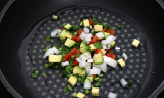
3. **Combine Rice and Vegetables:** Add the cooked multi-grain rice to the pan with sautéed vegetables. Stir-fry for 2-3 minutes, mixing well. Plate a portion of rice onto a serving dish.
4. **Make the Omelet:** Beat the egg with a pinch of salt. Heat a non-stick pan with a little oil over medium-low heat. Pour egg, swirling to coat. As edges set, gently push cooked egg to center. Cook until mostly set but still slightly runny.
5. **Assemble Omurice:** Carefully slide the omelet over the plated multi-grain rice. Shape gently.
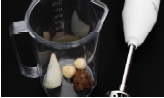
6. **Prepare Doenjang Cream Sauce:** In a small saucepan, combine doenjang, fresh cream, and starch. Whisk constantly over low heat until the sauce thickens and is smooth. Stir in rosemary, if using.
7. **Serve:** Pour the warm doenjang cream sauce generously over the omelet. Garnish with fresh chopped Korean chives.
### Frequently Asked Questions
**Q: Can I use different grains for the japgok rice?**
A: Absolutely. Feel free to customize the multi-grain mix with other preferred grains like brown rice, black rice, or quinoa for varied texture and nutrition.
**Q: What if I don’t have fresh cream?**
A: While fresh cream provides the best richness, you can substitute it with milk mixed with a little cornstarch for thickening, or a dairy-free alternative for a vegan option.
📸 Recipe Gallery
📺 For reference, here’s a recommended YouTube video related to “된장크림소스 잡곡 오므라이스”.
📹 Video sourced via YouTube. All rights belong to the respective creator.