How to Make Perfect Dubu Bibimhobakssam: Traditional Korean Recipe with Nutrition Facts
🇰🇷 The recipe below is based on official Korean MFDS (Ministry of Food and Drug Safety) data.
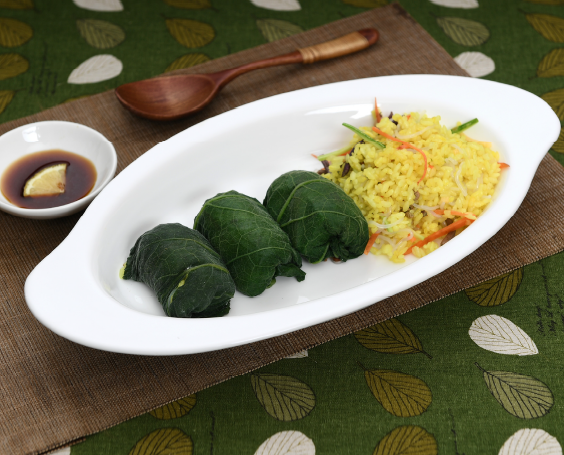
This guide, offering an authentic Dubu Bibimhobakssam recipe, is based on official MFDS (Ministry of Food and Drug Safety) data, ensuring precise measurements and reliable nutritional information for a genuinely traditional Korean culinary experience. Dubu Bibimhobakssam (Tofu Mixed Pumpkin Leaf Wraps) is a refreshing and wholesome Korean dish, perfect for a light yet satisfying meal. This article provides a comprehensive guide on how to make Dubu Bibimhobakssam, from its historical context to detailed cooking steps, nutritional insights, and helpful tips, allowing you to recreate this delicious dish at home with confidence.
## History of Dubu Bibimhobakssam
Dubu Bibimhobakssam draws its roots from Korean home cooking, where seasonal vegetables and plant-based ingredients were traditionally utilized to create nourishing and accessible meals. Pumpkin leaves (Hobaknip), a staple in rural Korean kitchens, are harvested during summer and fall, prized for their tender texture and mild flavor. The concept of “ssam” (wraps) is ancient in Korea, reflecting a healthy eating philosophy where fresh greens enclose various fillings. This particular dish highlights Dubu (tofu) and a medley of mixed vegetables, making it a popular choice for those seeking a balanced, plant-forward meal, especially during warmer months. It embodies the essence of Korean vegetarian cuisine, emphasizing freshness and natural flavors.
## Ingredients for Authentic Dubu Bibimhobakssam
Crafting this delightful dish requires fresh, quality ingredients. The following precise measurements are based on official MFDS data for one serving.
### Main Components
* **Dubu (Tofu):** 150g, firm or extra-firm, pressed
* **Ssal (Rice):** 100g, short-grain white rice
* **Ganghwangssal (Turmeric Rice):** 100g, or 100g white rice cooked with a pinch of turmeric powder
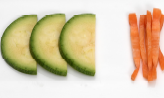
* **Aehobak (Korean Zucchini/Summer Squash):** 1/2 piece (approx. 100-150g), thinly sliced
* **Hobaknip (Pumpkin Leaves):** 5 pieces, fresh and tender
### Vegetable Filling
* **Danggeun (Carrot):** 20g, finely diced
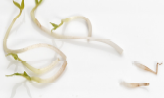
* **Sukju (Mung Bean Sprouts):** 50g, blanched
* **Gosari (Fernbrake):** 20g, rehydrated and cut
### Seasonings & Sauce
* **Painaepeul (Pineapple):** 20g, finely minced (adds a subtle sweetness and tang)
* **Olligodang (Oligosaccharide Syrup):** 20g
* **Gochujang (Korean Chili Paste):** 20g
* **Jeoyeomganjang (Low-sodium Soy Sauce):** 10g
* **Sogeum (Salt):** 0.3g
## How to Make Dubu Bibimhobakssam
This detailed guide will walk you through the preparation steps for a perfect Dubu Bibimhobakssam.
1. **Prepare the Rice:** Wash Ssal and Ganghwangssal separately. Cook each type of rice according to package directions, ensuring distinct colors if using turmeric. Once cooked, fluff them and set aside.
2. **Prepare Tofu:** Gently press the Dubu to remove excess water. Crumble it into small pieces.
3. **Prepare Vegetables:**
* Finely dice the Danggeun.
* Blanch the Sukju in boiling water for 1-2 minutes until tender-crisp, then drain and rinse in cold water.
* If using dried Gosari, rehydrate it overnight, then boil until tender, drain, and chop into short pieces.
* Thinly slice the Aehobak and lightly sauté or steam it until tender.
4. **Blanch Pumpkin Leaves:** Bring a pot of lightly salted water to a boil. Blanch the Hobaknip for 30-60 seconds until tender but still vibrant. Immediately transfer to an ice bath to stop cooking, then drain well. Gently squeeze out excess water.
5. **Assemble the Filling:** In a mixing bowl, combine the crumbled Dubu, diced Danggeun, blanched Sukju, prepared Gosari, and sliced Aehobak.
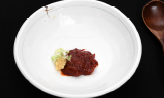
6. **Make the Sauce:** In a separate small bowl, mix the minced Painaepeul, Olligodang, Gochujang, Jeoyeomganjang, and Sogeum. Stir until well combined.
7. **Combine and Wrap:** Gently mix the prepared rice (Ssal and Ganghwangssal) with about half of the vegetable filling. This forms the base for the wraps.
8. **Final Assembly:** Lay out a blanched Hobaknip. Place a spoonful of the mixed rice and vegetable filling in the center. Top with a small amount of the remaining vegetable filling and a dollop of the sauce. Fold the sides of the pumpkin leaf inward, then roll it up securely. Repeat for the remaining leaves.
Serve immediately, perhaps with extra sauce on the side.
## Nutrition Information
This Dubu Bibimhobakssam recipe, based on official MFDS data, provides a balanced and nutritious meal.
| Nutrient | Amount |
| :———— | :——– |
| Calories | 345.9 kcal |
| Protein | (Not specified by source) |
| Carbohydrates | (Not specified by source) |
| Fat | (Not specified by source) |
This dish is naturally rich in fiber from the vegetables and pumpkin leaves, and provides plant-based protein from the tofu. The use of low-sodium soy sauce helps manage sodium intake.
## Mom’s Tips for Perfect Dubu Bibimhobakssam
* **Tofu Pressing is Key:** Don’t skip pressing the Dubu. This step removes excess water, resulting in a firmer texture that absorbs flavors better and prevents the wraps from becoming watery. A good press for at least 30 minutes (or longer for extra-firmness) makes a big difference.
* **Gentle Handling of Pumpkin Leaves:** When blanching Hobaknip, be careful not to overcook them. They should be tender but still have a slight bite and retain their vibrant green color. Overcooked leaves become mushy and lose their appeal as a wrap.
* **Flavor Balance:** The sauce combines sweet, spicy, and savory notes. Taste it before mixing with the filling and adjust the Gochujang for your preferred level of spiciness, or the Olligodang for sweetness. A little extra minced garlic or sesame oil can also enhance the depth of flavor if desired.
## Frequently Asked Questions
**Q: Can I prepare components of Dubu Bibimhobakssam in advance?**
A: Absolutely! You can cook the rice, prepare the tofu, blanch the sprouts, and chop the other vegetables ahead of time. Store them separately in airtight containers in the refrigerator. The sauce can also be made in advance. This makes assembly much quicker when you’re ready to serve.
**Q: Are there any suitable substitutions for Hobaknip (pumpkin leaves)?**
A: If fresh Hobaknip are unavailable, you can use other large, tender leafy greens for wrapping. Good alternatives include blanched cabbage leaves, Swiss chard, or even large lettuce leaves like romaine or butter lettuce for an uncooked wrap. However, the unique texture and subtle earthy flavor of pumpkin leaves are central to the authentic experience.
📸 Recipe Gallery
📺 For reference, here’s a recommended YouTube video related to “두부 비빔호박쌈”.
📹 Video sourced via YouTube. All rights belong to the respective creator.