Why Dubudoenjangmuchim Is Korea’s Soul Food: Full Recipe, Nutrition & Cultural History
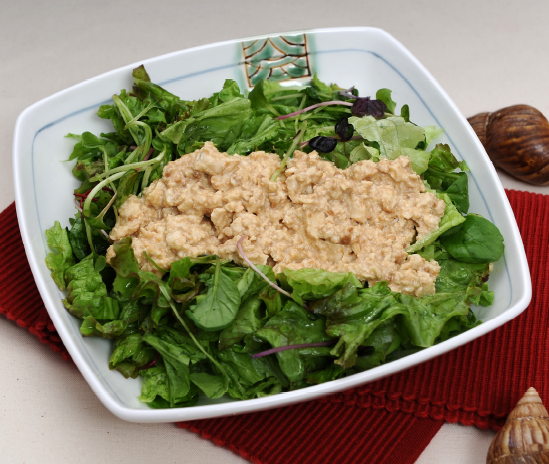
🇰🇷 The recipe below is based on official Korean MFDS (Ministry of Food and Drug Safety) data.
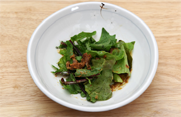
Discover the simple elegance of Dubudoenjangmuchim (Tofu with Soybean Paste Salad), a cherished Korean side dish that marries wholesome tofu with the rich, savory depth of fermented soybean paste. Perfect for a light meal or a healthy banchan, this guide will show you how to prepare this nutritious dish. This recipe, including its nutritional facts, is based on official MFDS (Ministry of Food and Drug Safety) data, ensuring an authentic and reliable experience. Learning how to make Dubudoenjangmuchim is straightforward, offering a delightful blend of textures and flavors. Whether you’re seeking a quick side or a healthy main, our how to make Dubudoenjangmuchim recipe is for you.
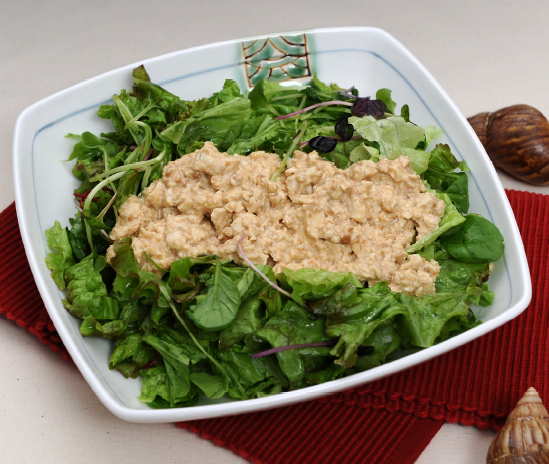
Tips for Perfect Dubudoenjangmuchim
Here are some practical tips to enhance your Dubudoenjangmuchim:
* **Tofu Pressing:** Thoroughly pressing your tofu is paramount. This removes excess water, creating a firmer texture that absorbs the doenjang dressing beautifully. Wrap the tofu in a clean kitchen towel, place it on a plate, and top with a heavy object (like a cast-iron pan) for at least 30 minutes.
* **Doenjang Quality:** The heart of this dish is doenjang. Invest in a good quality, traditionally fermented soybean paste for the most authentic and robust flavor. The taste profile can vary significantly between brands, so a preliminary taste test is always recommended.
* **Cream Balance (Mom’s Tip):** The saengkeurim (fresh cream) in this specific formulation adds a lovely creaminess and subtly mellows the strong notes of the doenjang. If you prefer a richer flavor, a touch more cream can be added, or for a lighter option, slightly less.
The Humble History of Dubudoenjangmuchim
Korean cuisine reveres simple, nutritious ingredients, and Dubudoenjangmuchim embodies this philosophy. Tofu (dubu) has been a staple in Korea for centuries, prized for its protein content and versatility. Doenjang, a fermented soybean paste, is one of the foundational condiments, central to countless dishes from stews to seasoned vegetables. A “muchim” refers to a seasoned or mixed dish, typically a vegetable side dish (banchan). This particular combination highlights the healthy synergy between tofu and doenjang, offering a satisfying texture and deep umami flavor. It’s a testament to how traditional ingredients continue to inspire healthy eating, evolving slightly over time to suit contemporary tastes while retaining its comforting essence.
Nutritional Breakdown (Based on MFDS Data)
This delicious Dubudoenjangmuchim recipe offers a fantastic nutritional profile, making it an excellent choice for a healthy diet. Based on official MFDS data, a serving of this dish contains:
* **Calories:** 217.7 kcal
Rich in plant-based protein from tofu, dietary fiber from ssamchae (mixed greens), and beneficial probiotics from doenjang, this dish contributes to overall well-being. It’s a low-calorie, high-nutrient option ideal for those mindful of their health.
Essential Ingredients for Dubudoenjangmuchim
To prepare this authentic Korean dish, gather the following ingredients based on MFDS recommendations:
* Dubu (Tofu): 100g (firm or extra-firm recommended)
* Doenjang (Fermented Soybean Paste): 20g (Korean soybean paste)
* Ssamchae (Mixed Greens): 100g (e.g., lettuce, perilla leaves, red leaf lettuce)
* Saengkeurim (Fresh Cream): 20g (heavy cream or whipping cream)
* Optional: 1 tsp sesame oil, 1/2 tsp minced garlic, pinch of sugar (for dressing balance)
How to Make Dubudoenjangmuchim: Step-by-Step Guide
Follow these simple steps for a perfect Dubudoenjangmuchim:
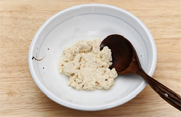
1. **Prepare Tofu:** Place the 100g dubu on a plate lined with paper towels. Cover with more paper towels and place a weight on top for at least 30 minutes to press out excess water. Once pressed, crumble the tofu into small, bite-sized pieces with your hands or a fork.
2. **Wash Greens:** Thoroughly wash and drain the 100g ssamchae. Pat them dry gently to remove any lingering moisture. You can tear larger leaves into smaller, manageable pieces if desired.
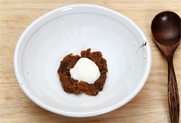
3. **Make Dressing:** In a mixing bowl, combine the 20g doenjang and 20g saengkeurim. If using, add optional sesame oil, minced garlic, and sugar. Mix well until the dressing is smooth and evenly combined. Taste and adjust seasoning as needed – the dressing should be savory and slightly creamy.
4. **Combine Ingredients:** Add the crumbled tofu and prepared ssamchae to the bowl with the dressing. Gently toss all ingredients together using your hands or tongs, ensuring the tofu and greens are evenly coated with the doenjang mixture without crushing the greens too much.
5. **Serve:** Transfer the Dubudoenjangmuchim to a serving plate. It’s best enjoyed immediately as a fresh banchan or a light meal.
Frequently Asked Questions
**Q: Can I make Dubudoenjangmuchim vegan?**
A: Absolutely! The saengkeurim (fresh cream) is the only non-vegan ingredient. You can simply omit it for a more traditional, sharper doenjang flavor, or substitute with a plant-based cream alternative like cashew cream for similar richness.
**Q: How long does Dubudoenjangmuchim last?**
A: This dish is best enjoyed fresh due to the delicate nature of the greens and tofu. While it can be stored in an airtight container in the refrigerator for up to 1-2 days, the greens may wilt and the texture might become less desirable.
📸 Recipe Gallery
📺 For reference, here’s a recommended YouTube video related to “두부된장무침”.
📹 Video sourced via YouTube. All rights belong to the respective creator.