Gajirattattui Recipe: Everything You Need to Know About This Iconic Korean Dish
🇰🇷 The recipe below is based on official Korean MFDS (Ministry of Food and Drug Safety) data.
This comprehensive guide to making Gajirattattui (Eggplant Ratatouille) is based on official MFDS (Ministry of Food and Drug Safety) data, ensuring an authentic and nutritious culinary experience. If you’re searching for a delicious Gajirattattui recipe, this post will walk you through how to make Gajirattattui, a vibrant and healthy Korean-style stew that blends traditional Korean ingredients with a classic Mediterranean preparation. Gajirattattui is a beautiful dish, rich in vegetables, perfect for a light meal or a flavorful side.
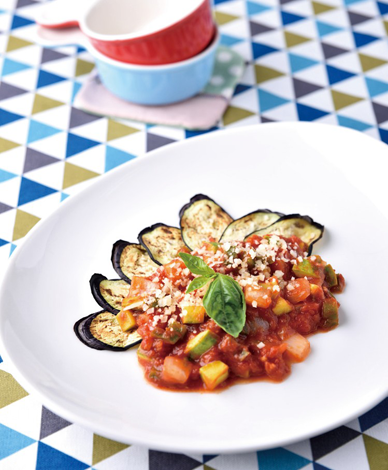
### Ingredients for Gajirattattui
To prepare this delightful dish, you will need the following fresh ingredients:
* Gaji (Eggplant): 1/2 piece (180g)
* Pimang (Green Bell Pepper): 100g
* Papeurika (Red/Yellow Bell Pepper): 100g
* Yangpa (Onion): 100g
* Aehobak (Korean Zucchini): 200g
* Tomato Paste: 200g
* Cheese Powder: 10g
* Basil Leaves: 1g
* Olive Oil: 2 tablespoons (for sautéing, not specified by MFDS but essential)
* Salt and Black Pepper: To taste (not specified by MFDS but essential)
### How to Make Gajirattattui
Follow these steps for a perfect Gajirattattui.
1. **Prepare Vegetables:** Wash all vegetables thoroughly. Dice the gaji, pimang, papeurika, yangpa, and aehobak into roughly 1.5 cm cubes.
2. **Sauté Aromatics:** In a large pan or Dutch oven, heat olive oil over medium heat. Add the diced yangpa and sauté for 3-5 minutes until translucent and fragrant.
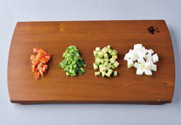
3. **Add Vegetables:** Introduce the diced gaji, pimang, papeurika, and aehobak to the pan. Sauté for another 7-10 minutes, stirring occasionally, until the vegetables begin to soften slightly.
4. **Incorporate Tomato Paste:** Stir in the tomato paste, ensuring it coats all the vegetables evenly. Season with a pinch of salt and black pepper. Reduce heat to low.
5. **Simmer:** Cover the pan and let the Gajirattattui simmer for 20-25 minutes, or until all vegetables are tender and the flavors have melded. Stir occasionally to prevent sticking.
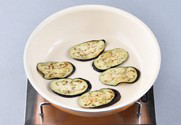
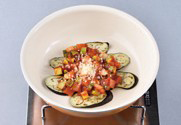
6. **Finish and Serve:** Just before serving, stir in the fresh basil leaves. Sprinkle with cheese powder for an added touch of flavor.
### History of Gajirattattui
Gajirattattui is a delightful Korean interpretation of the classic French Provençal stew, Ratatouille. The name itself is a portmanteau: “Gaji” is the Korean word for eggplant, which is a key ingredient, combined with “Ratatouille.” This dish exemplifies a growing trend in Korean cuisine to incorporate global flavors and techniques while retaining a focus on fresh, healthy ingredients readily available in Korea, such as aehobak, which often replaces traditional zucchini. It represents a modern fusion approach, making a beloved European comfort food accessible with a uniquely Korean twist.
### Nutrition Facts
Based on official MFDS data, one serving of Gajirattattui provides:
* **Calories:** 68.6 kcal
Additional nutritional information was not provided in the source data. This dish is naturally low in calories and rich in vegetables.
### Tips for Perfect Gajirattattui
* **Mom’s Tip for Texture:** Don’t overcrowd the pan when sautéing vegetables. If your pan is small, cook them in batches to ensure they brown nicely rather than steam, giving a better texture.
* **Flavor Depth:** For richer flavor, you can roast the eggplant cubes separately with a drizzle of olive oil before adding them to the stew. This enhances their sweetness and reduces bitterness.
* **Adjusting Consistency:** If you prefer a thicker stew, cook it uncovered for the last 10 minutes to allow some liquid to evaporate. For a looser consistency, add a splash of vegetable broth.
### Frequently Asked Questions
**Q: What is Gajirattattui?**
A: Gajirattattui is a Korean-style vegetable stew, featuring eggplant (gaji) and other garden vegetables like bell peppers, onion, and Korean zucchini (aehobak), simmered in a tomato base, inspired by French ratatouille.
**Q: Can I make Gajirattattui ahead of time?**
A: Yes, Gajirattattui often tastes even better the next day as the flavors have more time to meld. Store it in an airtight container in the refrigerator for up to 3-4 days and reheat gently.
📸 Recipe Gallery
📺 For reference, here’s a recommended YouTube video related to “가지라따뚜이”.
📹 Video sourced via YouTube. All rights belong to the respective creator.