Why Godeungeodoenjanggui Is Korea’s Soul Food: Full Recipe, Nutrition & Cultural History
🇰🇷 The recipe below is based on official Korean MFDS (Ministry of Food and Drug Safety) data.
This guide offers an authentic Godeungeodoenjanggui recipe, a cherished Korean culinary delight, directly based on official MFDS (Ministry of Food and Drug Safety) data. This ensures the utmost accuracy and reliability for your home cooking adventure. Godeungeodoenjanggui (Mackerel Grilled with Doenjang) exquisitely combines the savory, deeply umami-rich flavors of doenjang with the delicate, flaky texture of nutritious mackerel, a true staple in traditional Korean cuisine. This comprehensive article will guide you on how to make Godeungeodoenjanggui with precise measurements and invaluable expert tips, bringing a truly authentic taste of Korea right into your kitchen.
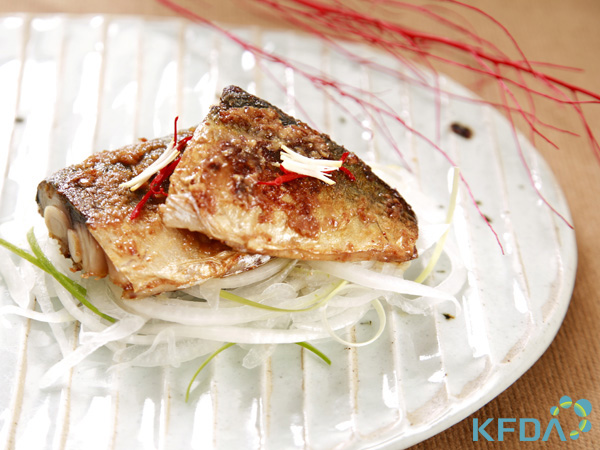
### Ingredients for Authentic Godeungeodoenjanggui
(All measurements are exact, as per MFDS data for a single serving)
* **Mackerel (Godeungeo):** 50g (Use a fresh or thoroughly thawed frozen fillet for best results.)
* **Soybean Oil:** 2g (Essential for achieving a perfectly grilled finish.)
* **Onion Peel:** 2g (Primarily for aromatic infusion during cooking; it is typically discarded before serving.)
* **Onion:** 5g (Finely minced or grated to integrate seamlessly into the marinade.)
* **Japanese Miso (Doenjang):** 3g (A lighter, sweeter white or yellow miso is ideal; Korean doenjang offers a bolder, more pungent flavor if preferred.)
* **Mayonnaise:** 2g (Adds a subtle creaminess and helps tenderize the fish.)
* **Vinegar:** 0.3g (Rice vinegar is recommended for its mild acidity, balancing the richness.)
* **Mirin (Matsul):** 3.75g (Sweet cooking wine; dry sherry or sake with a pinch of sugar can serve as a substitute.)
* **Ginger Juice (Saenggang-jeup):** 1.25g (Extracted from freshly grated ginger, it provides a pungent, aromatic kick.)
* **Kelp Broth (Dashima Gukmul):** 3.75g (A fundamental umami booster; dashi stock or a simple vegetable broth can be used as alternatives.)
### Nutrition Facts
Based on official MFDS data, a single serving of Godeungeodoenjanggui provides:
* **Calories:** 193.8 kcal
### How to Make Godeungeodoenjanggui
Mastering this delightful Korean mackerel dish is straightforward with these logical steps.
1. **Prepare the Mackerel:** Ensure your mackerel fillet is boneless and pat it thoroughly dry with paper towels. (A light seasoning of salt and pepper is often used but not included in the core MFDS ingredient list.)
2. **Craft the Doenjang Marinade:** In a small bowl, whisk together the Japanese Miso (Doenjang), mayonnaise, vinegar, mirin, ginger juice, kelp broth, and finely minced onion until the mixture is smooth and well-combined. This marinade is the soul of the dish.
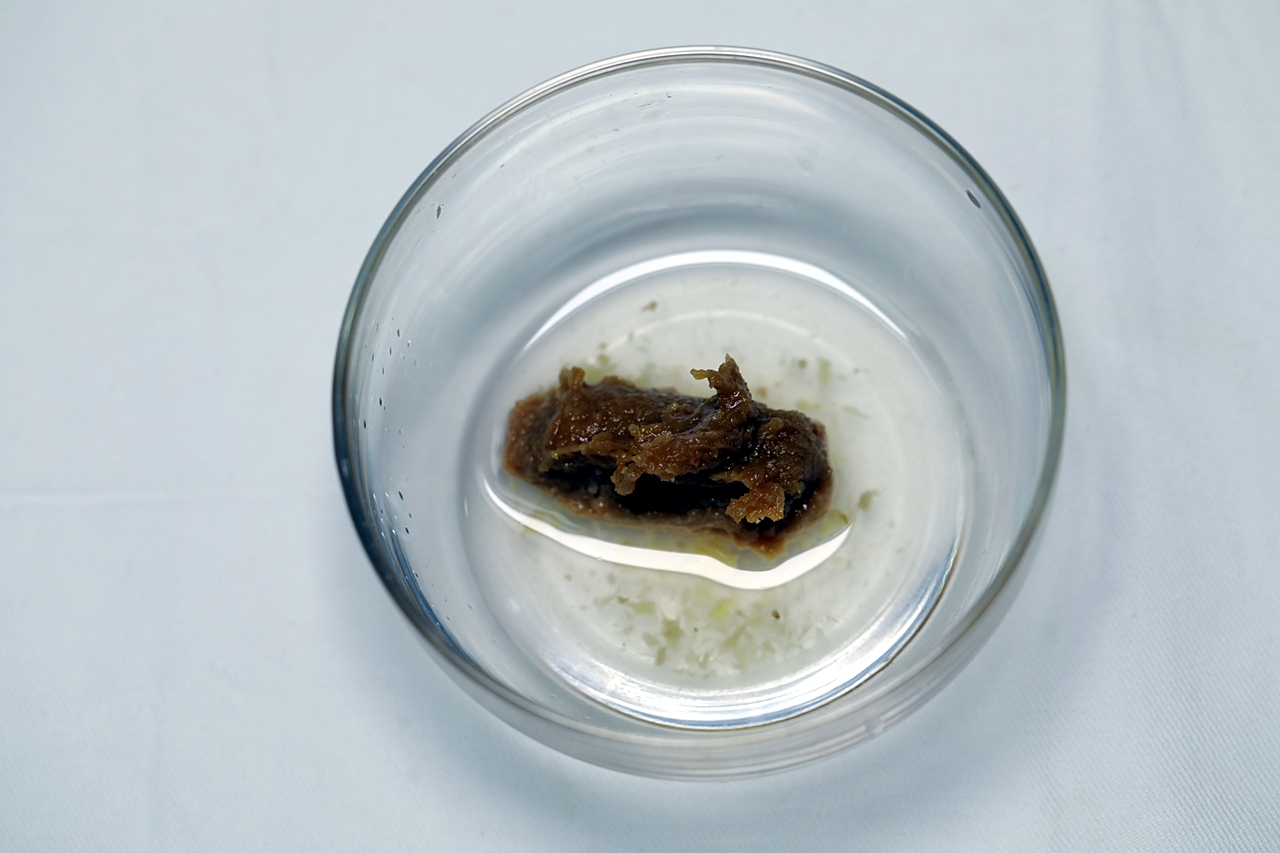
3. **Marinate the Fish:** Generously coat the mackerel fillet on all sides with the prepared doenjang marinade. For optimal flavor penetration and tenderness, refrigerate and marinate for a minimum of 30 minutes. An overnight marination yields truly exceptional results.
4. **Ready for Grilling:** If using the onion peel for aromatic purposes, place it in a small, heat-safe dish or foil pouch next to the mackerel on your cooking surface. Otherwise, you may simply discard it.
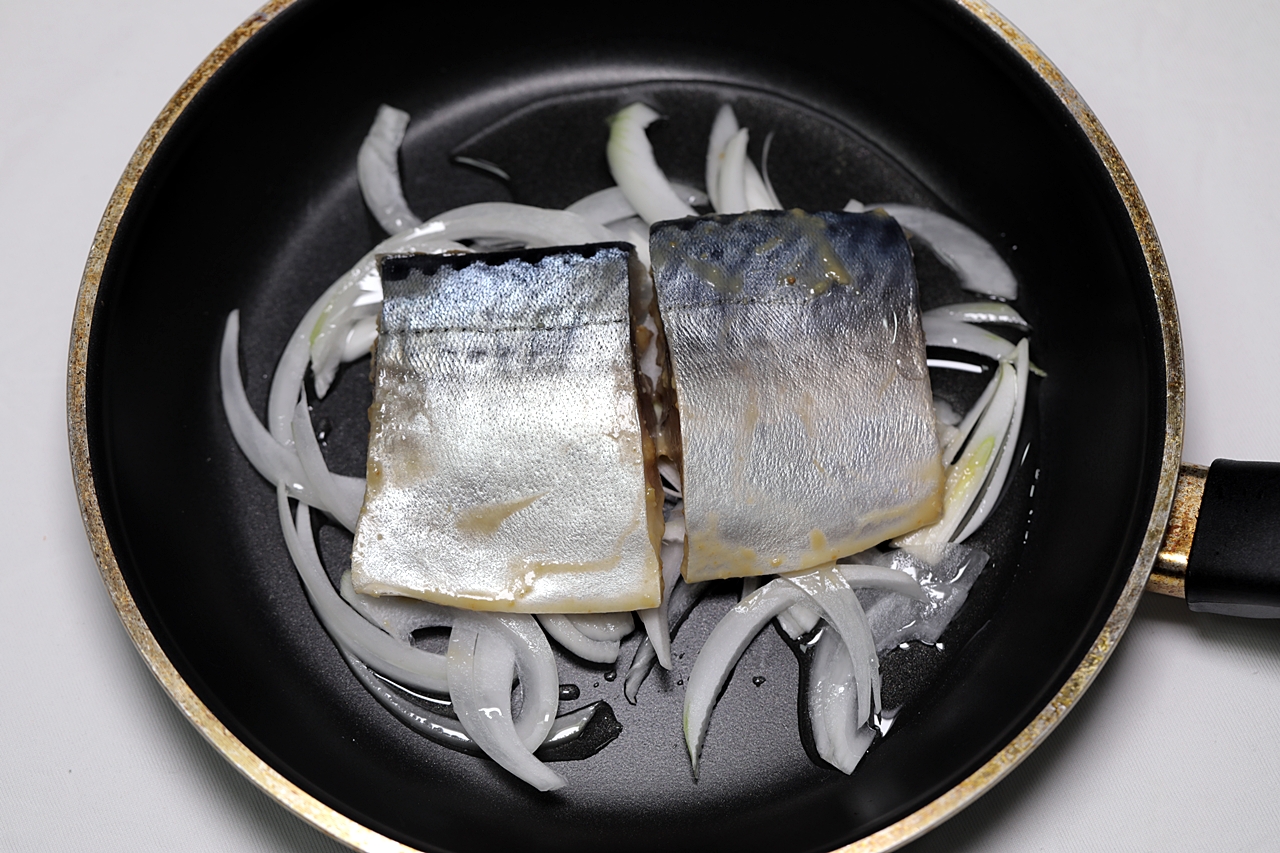
5. **Grill the Mackerel:** Heat a non-stick pan or grill pan over medium-high heat. Add the soybean oil. Once shimmering, carefully place the marinated mackerel, typically skin-side down first, onto the hot pan. Grill for approximately 3-4 minutes, allowing the skin to crisp and develop a slight char.
6. **Flip and Finish:** Gently flip the mackerel to its other side. Continue grilling for another 3-5 minutes, or until the fish is opaque, cooked through, and flakes easily with a fork. Adjust the heat as necessary to prevent the marinade from burning, which can happen due to sugar content.
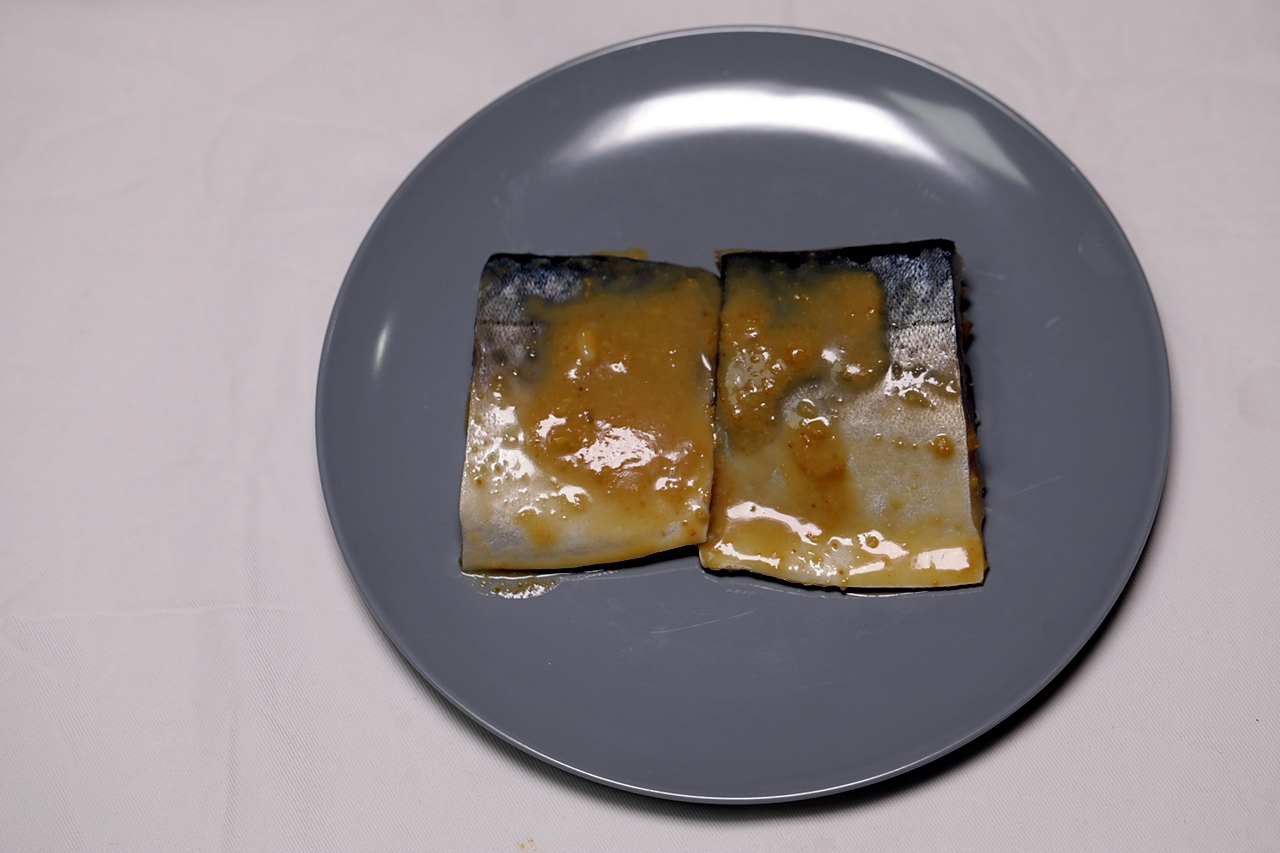
7. **Serve Immediately:** Carefully transfer the perfectly cooked Godeungeodoenjanggui to a serving plate. For an extra touch, you may garnish with a sprinkle of fresh chopped scallions or toasted sesame seeds, if desired.
### Mom’s Essential Cooking Tips
* **Marination Time is Key:** For Godeungeodoenjanggui to achieve its full, rich flavor potential, allow ample marination time. My mother always stressed, “The longer the rest, the deeper the zest!” Aim for at least one hour, or even four for maximum umami infusion.
* **Achieve Crispy Skin:** This dish shines with beautifully crispy mackerel skin. Always pat your fillet exceptionally dry before applying the marinade and grilling. Residual moisture prevents that coveted crispiness.
* **Monitor Heat Closely:** Doenjang and miso marinades contain sugars (from mirin, etc.) that can caramelize quickly and then burn. Maintain a consistent medium heat and stay attentive to the pan to avoid a bitter, charred result.
### The Cultural Significance of Godeungeodoenjanggui
Godeungeodoenjanggui stands as a quintessential dish in Korean home cooking, expertly marrying the readily available and nutritious mackerel with doenjang, a fermented soybean paste that is absolutely central to Korea’s culinary identity. This dish is deeply cherished for its balanced nutritional profile and its robust, comforting flavors. It is frequently presented as a beloved side dish (banchan) or a satisfying main course, traditionally enjoyed with a warm bowl of rice and an array of other accompaniments. Its preparation, while seemingly simple, elegantly showcases traditional Korean methods of amplifying natural ingredient flavors through fermentation and thoughtful, precise seasoning.
### Frequently Asked Questions
**Q: Can other fish be used for Godeungeodoenjanggui?**
A: Absolutely. While mackerel (godeungeo) is traditional, other firm-fleshed fish such as salmon, cod, or black cod (eun daegu) make delicious alternatives, though the specific flavor nuances will naturally vary.
**Q: What is the best way to store leftovers?**
A: Any leftover Godeungeodoenjanggui should be stored promptly in an airtight container within the refrigerator for up to 2-3 days. Gently reheat it in a pan or microwave until thoroughly warmed, though the optimal taste and texture are always best enjoyed fresh.
📸 Recipe Gallery
📺 For reference, here’s a recommended YouTube video related to “고등어된장구이”.
📹 Video sourced via YouTube. All rights belong to the respective creator.