Why Gyeojaaukssambap Is Korea’s Soul Food: Full Recipe, Nutrition & Cultural History

🇰🇷 The recipe below is based on official Korean MFDS (Ministry of Food and Drug Safety) data.
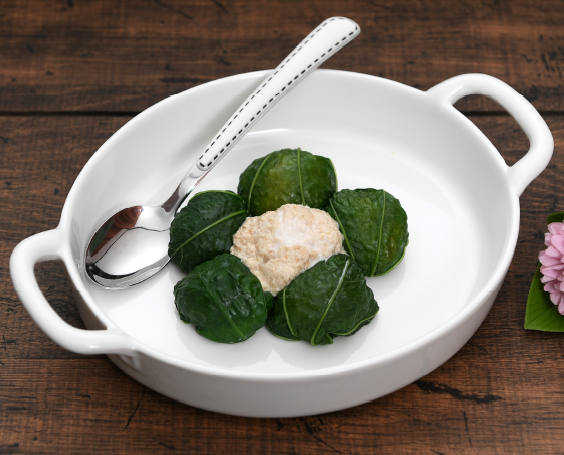
This guide on crafting authentic Gyeojaaukssambap (Mustard Mallow Ssam Rice Wrap) is based on official MFDS (Ministry of Food and Drug Safety) data, ensuring accuracy in both recipe and nutrition. Gyeojaaukssambap is a refreshing and nutritious Korean dish featuring brown rice wrapped in tender mallow leaves, often accompanied by a savory soybean paste and unique toppings. This detailed guide will show you how to make Gyeojaaukssambap at home, bringing a taste of traditional Korean cuisine to your table. If you’re looking for an authentic Gyeojaaukssambap recipe, you’ve come to the right place!
Essential Tips for Perfect Gyeojaaukssambap
* **Blanching Mallow (Auk) Leaves:** When blanching the Auk, aim for just tender, not mushy. A quick 30-second dip in boiling water followed by an immediate transfer to an ice bath preserves their vibrant green color and a pleasant chewiness crucial for wrapping.
* **Flavorful Doenjang Sauce:** Elevate your dipping sauce by gently toasting the Chamgireum (sesame oil) for a minute before mixing it with the Doenjang and other ingredients. This simple step deepens its nutty aroma and enhances the overall savory profile.
* **Balancing Sweetness:** The Maesilcheong (green plum extract) in the sauce adds a subtle, refreshing sweetness. Taste and adjust to your preference, ensuring it complements the rich Doenjang without overpowering it. This balance is key to an authentic Korean ssam sauce.
A Glimpse into the History of Ssam
Ssam, a Korean culinary tradition, literally means “wrap.” It involves encasing rice and various fillings in fresh or blanched leafy greens. This practice dates back centuries, symbolizing a communal and healthy way of eating, allowing individuals to customize each bite. Gyeojaaukssambap highlights the use of Auk (mallow), a common leafy vegetable in Korean cuisine, valued for its delicate flavor and nutritional benefits. The addition of Nalchial (tobiko) brings a modern touch, while the Doenjang sauce grounds the dish in deep, traditional flavors. It’s a testament to Korea’s inventive approach to healthful and satisfying meals.
Gyeojaaukssambap Nutrition Facts
This nutritional information is based on official MFDS data per serving of Gyeojaaukssambap:
* **Calories:** 359.5 kcal
* **Carbohydrates:** 55.4g
* **Protein:** 16.9g
* **Fat:** 8.6g
* **Sodium:** 378.1mg
Authentic Gyeojaaukssambap Ingredients
Here’s what you’ll need to create this delicious and healthy Korean dish:
* **Hyeonmi (Brown Rice):** 200g
* **Dubu (Tofu):** 100g (firm or extra-firm, pressed)
* **Auk (Mallow):** 100g (fresh; spinach or Swiss chard can be substitutes)
* **Nalchial (Tobiko / Flying Fish Roe):** 50g
* **Danhobak (Kabocha Squash):** 1/6 piece (approx. 80-100g)
* **Saessak (Sprouts):** 20g (e.g., alfalfa, radish sprouts)
**For the Doenjang Sauce:**
* **Doenjang (Fermented Soybean Paste):** 20g
* **Saengkeurim (Fresh Cream):** 20g (heavy cream or unsweetened whipping cream)
* **Maesilcheong (Green Plum Extract):** 20g
* **Chamgireum (Sesame Oil):** 5g
How to Make Gyeojaaukssambap
Follow these simple steps for a delightful culinary experience:
1. **Prepare the Rice:** Cook Hyeonmi (Brown Rice) according to package instructions until tender and fluffy. Set aside to cool slightly.
2. **Blanch Auk:** Bring a pot of water to a rolling boil. Quickly blanch the Auk (Mallow) leaves for about 30 seconds. Immediately transfer them to an ice bath to stop cooking and preserve their color. Squeeze out excess water gently.
3. **Prepare Squash and Tofu:** Steam or microwave the Danhobak (Kabocha Squash) until very tender. Mash it thoroughly. Crumble the Dubu (Tofu) and lightly press it to remove any excess moisture.
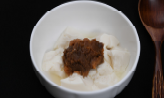
4. **Assemble the Filling:** In a large bowl, gently combine the cooked Hyeonmi, mashed Danhobak, crumbled Dubu, and Nalchial (Tobiko). Mix carefully to avoid breaking the tobiko.
5. **Make the Sauce:** In a separate small bowl, whisk together the Doenjang, Saengkeurim, Maesilcheong, and Chamgireum until you achieve a smooth, well-combined sauce.
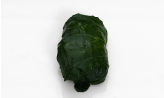
6. **Form the Wraps:** Lay out a blanched Auk leaf. Place a small spoonful of the rice and filling mixture in the center. Fold the sides of the leaf inward and then roll it tightly into a compact wrap. Repeat with the remaining ingredients.
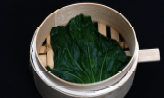
7. **Serve:** Arrange the finished Gyeojaaukssambap wraps on a serving platter. Garnish with fresh Saessak (Sprouts) and serve with the prepared Doenjang sauce on the side for dipping. Enjoy this wholesome Korean meal!
Gyeojaaukssambap FAQ
**Q: Can I prepare Gyeojaaukssambap ahead of time?**
A: While the rice mixture and sauce can be prepped a day in advance, it is best to assemble the wraps just before serving. This prevents the mallow leaves from becoming soggy and ensures the freshest taste and texture.
**Q: What other leafy greens can I use for Ssam if Auk is unavailable?**
A: If fresh Auk is difficult to find, you can substitute with other tender leafy greens such as red leaf lettuce, perilla leaves (kkaennip), or even blanched Napa cabbage leaves. Each offers a slightly different flavor profile but maintains the essence of ssam.
📸 Recipe Gallery
📺 For reference, here’s a recommended YouTube video related to “겨자아욱쌈밥”.
📹 Video sourced via YouTube. All rights belong to the respective creator.