Gyeongwapyeonsu Recipe: Everything You Need to Know About This Iconic Korean Dish
🇰🇷 The recipe below is based on official Korean MFDS (Ministry of Food and Drug Safety) data.
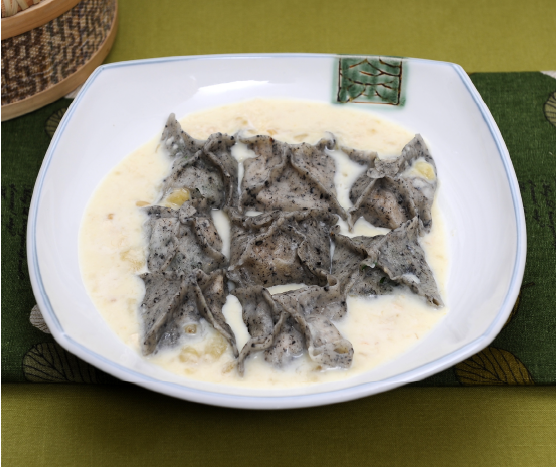
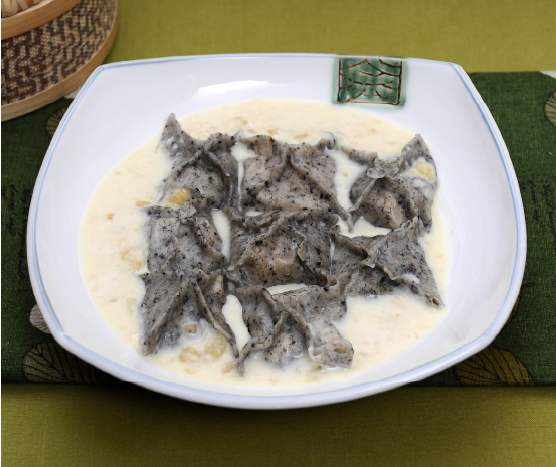
This guide for making authentic Gyeongwapyeonsu (Nut Pyeonsu) is based on official MFDS (Ministry of Food and Drug Safety) data, ensuring accuracy in ingredients and nutrition. This unique Korean dish offers a delightful blend of savory and subtly sweet flavors, showcasing a lesser-known facet of traditional Korean cuisine. If you’ve been searching for a Gyeongwapyeonsu recipe that truly captures its essence, you’ve come to the right place. You will learn to prepare this exquisite dumpling dish from scratch, including its special creamy, nutritious broth.
## Tips for Perfect Gyeongwapyeonsu
* **Dough Consistency is Key:** For the dumpling wrappers, aim for a firm yet pliable dough. If it’s too sticky, add a tiny bit more flour; too stiff, a drop of milk. This makes it easier to roll and shape.
* **Mom’s Tip for the Broth:** When blending the broth ingredients, ensure everything is very smooth. A high-speed blender is ideal. Gently simmer the broth after blending to fully develop its rich flavors, but avoid a hard boil, which can cause the milk to separate.
* **Flavorful Filling:** Don’t overcook the chicken filling. Just a quick sauté to cook through will keep it moist and tender inside the dumplings. Ensure the vegetables are finely minced for a uniform texture.
* **Sealing the Dumplings:** Press the edges of your Gyeongwapyeonsu dumplings firmly to prevent the filling from escaping during cooking. A little water on the edges helps them seal securely.
## A Glimpse into Gyeongwapyeonsu’s History
Gyeongwapyeonsu (Nut Pyeonsu) is a testament to the diversity of traditional Korean food, particularly within the realm of *pyeonsu*, or square-shaped dumplings. While many pyeonsu dishes are served in clear, light broths, Gyeongwapyeonsu stands out with its distinctive, creamy nut-based broth. This unique preparation highlights the historical Korean appreciation for using diverse ingredients, including various nuts and seeds, not just for flavor but also for their nutritional value. It reflects a culinary heritage that values both innovation and natural goodness, often found in regional specialties or royal court cuisine where elaborate and nourishing dishes were common. This traditional approach offers a rich, comforting experience that differs from typical Korean dumpling soups.
## Nutritional Information (per serving)
Based on official MFDS data, one serving of Gyeongwapyeonsu provides:
* **Calories:** 416.3 kcal
* **Carbohydrates:** 55.48 g
* **Protein:** 21.07 g
* **Fat:** 12.06 g
* **Sodium:** 279.79 mg
This dish offers a balanced meal, rich in protein from chicken and complex carbohydrates from flour and vegetables, along with healthy fats from the nuts and seeds.
## Ingredients
Here’s what you’ll need to prepare authentic Gyeongwapyeonsu:
**For the Dumpling Dough:**
* Milgaru (Flour): 200g (All-purpose flour)
* Uyu (Milk): 100g (Whole milk or a dairy-free alternative)
**For the Filling:**
* Dalgaseumsal (Chicken Breast): 100g (Finely minced)
* Huchutgaru (Black Pepper Powder): 0.01g (A pinch)
* Dajin Maneul (Minced Garlic): 10g
* Buchu (Chives): 20g (Finely chopped; substitute with spring onion greens if unavailable)
* Yangpa (Onion): 20g (Finely minced)
* Dajin Daepa (Minced Green Onion): 10g (White and light green parts)
**For the Gyeongwa Yuksu (Nut Broth):**
* Ma (Yam): 20g (Peeled and diced; substitute with sweet potato for a slightly sweeter profile)
* Banana: 30g (Peeled)
* Meoseuteodeu (Mustard): 10g (Yellow mustard or Dijon for a mild tang)
* Kaesyuneot (Cashew Nut): 20g (Soaked if raw)
* Jat (Pine Nuts): 10g (Lightly toasted for aroma)
* Uyu (Milk): 100g (Whole milk)
* Heukimja (Black Sesame): 20g (Toasted, for garnish and flavor)
## Cooking Steps
1. **Prepare the Dumpling Dough:** In a large bowl, combine 200g of flour and 100g of milk. Mix well until a shaggy dough forms, then knead on a lightly floured surface for 5-7 minutes until smooth and elastic. Cover with a damp cloth and let it rest for 30 minutes.
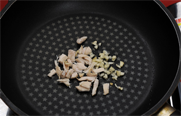
2. **Prepare the Filling:** While the dough rests, finely mince the chicken breast. In a mixing bowl, combine the minced chicken with 0.01g black pepper powder, 10g minced garlic, 20g finely chopped chives, 20g minced onion, and 10g minced green onion. Mix thoroughly until well combined.
3. **Make the Dumplings:** Roll out the rested dough thinly on a floured surface. Cut into approximately 6×6 cm squares. Place about 1-2 teaspoons of the chicken filling in the center of each square. Fold the dough into a triangle, sealing the edges, then bring the two bottom corners together and pinch to form a traditional pyeonsu (square dumpling) shape.
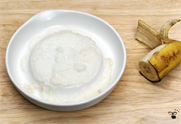
4. **Prepare the Nut Broth:** In a blender, combine 20g yam, 30g banana, 10g mustard, 20g cashews, 10g pine nuts, and 100g milk. Blend until completely smooth and creamy. Pour the mixture into a saucepan and gently heat over medium-low heat, stirring occasionally, until it just begins to simmer. Do not boil vigorously.
5. **Cook the Dumplings:** In a separate pot, bring a pot of lightly salted water to a boil. Carefully add the prepared Gyeongwapyeonsu dumplings to the boiling water. Cook for 3-5 minutes, or until the dumplings float to the surface and are cooked through. Remove with a slotted spoon.
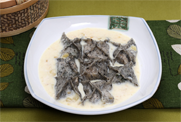
6. **Assemble and Serve:** Ladle the warm nut broth into individual serving bowls. Carefully place the cooked dumplings into the broth. Garnish each serving with 20g of toasted black sesame seeds. Serve immediately.
## FAQ
* **What is Gyeongwapyeonsu?**
Gyeongwapyeonsu is a traditional Korean dumpling dish featuring square-shaped dumplings filled with minced chicken and vegetables, served in a unique, creamy broth made from blended nuts, yam, banana, and milk, often garnished with black sesame.
* **Can I make Gyeongwapyeonsu vegetarian?**
Yes, you can substitute the chicken breast filling with finely minced firm tofu or a mix of mushrooms and vegetables for a delicious vegetarian version. Ensure to season well to match the savory profile.
📸 Recipe Gallery
📺 For reference, here’s a recommended YouTube video related to “견과편수”.
📹 Video sourced via YouTube. All rights belong to the respective creator.