The Complete Guide to Authentic Haemulkalguksu: A Korean Kitchen Masterclass

🇰🇷 The recipe below is based on official Korean MFDS (Ministry of Food and Drug Safety) data.
This guide for how to make Haemulkalguksu (Seafood Noodle Soup) is based on official MFDS (Ministry of Food and Drug Safety) data, ensuring an authentic and balanced recipe. This hearty Korean dish, renowned for its rich seafood broth and chewy handmade noodles, offers a comforting culinary experience. Learn to prepare this classic, from kneading the dough to simmering the flavorful broth, bringing a taste of traditional Korean cuisine to your kitchen.
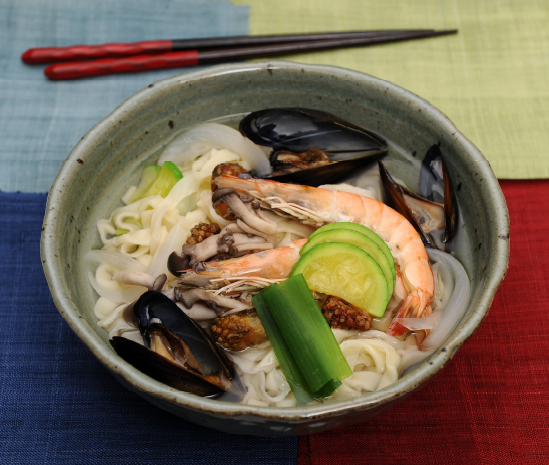
Ingredients for Authentic Haemulkalguksu
Preparing a delicious Haemulkalguksu recipe begins with fresh ingredients. Here’s what you’ll need:
**For the Noodles:**
* Milgaru (All-purpose flour): 180g
* Sogeum (Salt): 0.3g
* Nokmalgaru (Starch flour, e.g., potato starch): 20g
* Deotmilgaru (Extra flour for dusting): 50g
**For the Broth & Toppings:**
* Aehobak (Korean zucchini, sliced): 20g (Substitute: regular zucchini)
* Neutaribeoseot (Oyster mushrooms, torn): 20g (Substitute: shiitake or king oyster mushrooms)
* Yangpa (Onion, sliced): 20g
* Daepa (Green onion, sliced diagonally): 20g
* Honghap (Mussels, cleaned): 20g
* Saeu (Shrimp, shelled and deveined): 20g
* Mideodeok (Sea squirt, cleaned): 10g (Optional, for authentic flavor)
* Jeoyeom Ganjang (Low-sodium soy sauce): 10g
**For the Broth Base (Yuksu):**
* Geonsaeu (Dried shrimp): 10g
* Myeolchi (Dried anchovies, heads and guts removed): 10g
* Dasima (Dried kelp): 5g
* Mu (Korean radish, sliced): 50g (Substitute: daikon radish)
* Yangpa (Onion, roughly chopped): 20g
* Maneul (Garlic, whole cloves): 20g
Haemulkalguksu Nutrition Facts
Based on official MFDS data, one serving of Haemulkalguksu prepared with this recipe provides:
* Calories: 184.6 kcal
This wholesome dish offers a good balance of carbohydrates, protein from seafood, and various vitamins and minerals from the vegetables and broth.
How to Make Haemulkalguksu: Step-by-Step Guide
Follow these steps to create a comforting bowl of Haemulkalguksu:
1. **Prepare the Noodles:** In a large bowl, combine milgaru, sogeum, and nokmalgaru. Gradually add enough water (approximately 80-90ml, adjust as needed) to form a shaggy dough. Knead on a lightly floured surface (using deotmilgaru) for 10-15 minutes until smooth and elastic. Cover and let rest for at least 30 minutes at room temperature.
2. **Make the Broth Base:** In a large pot, combine dried shrimp, dried anchovies, kelp, Korean radish, onion, and garlic with 1 liter of water. Bring to a boil, then reduce heat and simmer for 20 minutes. Strain the broth, discarding the solids, and set aside.
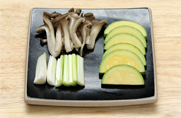
3. **Roll the Noodles:** On a generously floured surface with deotmilgaru, roll out the rested dough thinly, about 2-3mm thick. Dust frequently to prevent sticking. Fold the dough several times and slice into thin, even strips (about 0.5cm wide) using a sharp knife. Gently unfurl the noodles and set aside.
4. **Cook the Soup:** Bring the prepared broth to a rolling boil. Add the Korean zucchini, oyster mushrooms, and sliced onion. Cook for 2-3 minutes.
5. **Add Seafood and Noodles:** Introduce the mussels, shrimp, and sea squirt (if using) to the boiling broth. Shortly after, add the fresh noodles, stirring gently to prevent sticking.
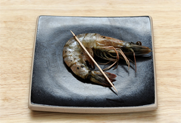
6. **Season and Finish:** Cook for another 3-4 minutes, or until the noodles are tender and the seafood is fully cooked. Season with low-sodium soy sauce to taste. Stir in the sliced green onion just before serving.
Serve immediately in a large bowl.
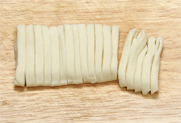
Mom’s Tips for Perfect Haemulkalguksu
* **Noodle Texture is Key:** Don’t skip the resting time for the noodle dough; it allows the gluten to relax, making it easier to roll and ensuring a chewier texture. For extra chewiness, you can let it rest longer, even an hour.
* **Broth Depth:** When simmering the broth, avoid over-boiling. A gentle simmer extracts maximum flavor without making the broth cloudy or bitter from overcooking the anchovies or kelp.
* **Prevent Sticky Noodles:** Ensure your broth is at a vigorous boil when adding the fresh noodles. This prevents them from clumping together. A quick stir after adding them also helps.
The History and Cultural Significance of Haemulkalguksu
Haemulkalguksu, literally “knife-cut noodle soup with seafood,” is a beloved Korean comfort food with roots deeply embedded in coastal culinary traditions. Kalguksu, in general, has been a staple dish for centuries, appreciated for its handmade noodles and versatility. The addition of fresh seafood highlights Korea’s geographical bounty, particularly along its extensive coastline. Different regions boast unique kalguksu variations, with Haemulkalguksu being prominent in areas with abundant seafood. It’s often enjoyed on rainy days or during cooler weather, offering warmth and satiety, and is a popular dish for family gatherings.
Frequently Asked Questions (FAQ)
**Q: Can I make the noodle dough ahead of time?**
A: Yes, you can prepare the noodle dough up to a day in advance. Store it tightly wrapped in plastic in the refrigerator. Let it come to room temperature for about 30 minutes before rolling.
**Q: What if I don’t have fresh seafood available?**
A: While fresh seafood is ideal, you can use frozen seafood mixes specifically for soup. Thaw them thoroughly before adding to the broth for the best results.
📸 Recipe Gallery
📺 For reference, here’s a recommended YouTube video related to “해물칼국수”.
📹 Video sourced via YouTube. All rights belong to the respective creator.