Unlock the Secret of Hwangtaerijotto: Authentic Flavors from South Korea’s MFDS Data

🇰🇷 The recipe below is based on official Korean MFDS (Ministry of Food and Drug Safety) data.
This guide is based on official MFDS (Ministry of Food and Drug Safety) data, offering an authentic Hwangtaerijotto (Dried Pollock Risotto) recipe that brings a unique Korean twist to a beloved Italian classic. If you’re looking for a flavorful and nutritious Hwangtaerijotto recipe, this detailed guide will walk you through preparing this comforting dish. You’ll learn how to transform high-quality Korean ingredients into a creamy, savory risotto, perfect for a warming meal.
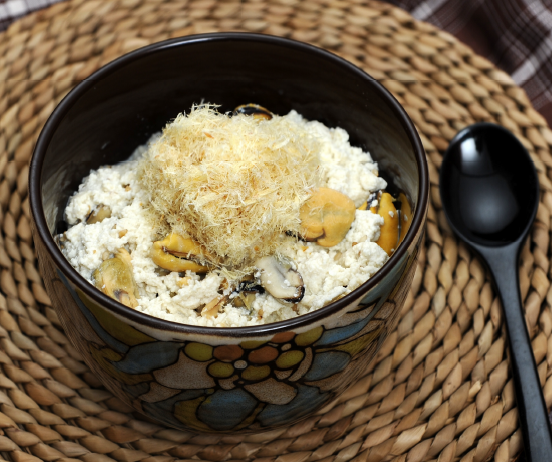
## Expert Tips for Perfect Hwangtaerijotto
1. **Hwangtae Rehydration:** When rehydrating the Hwangtae (dried pollock), use cold water and avoid soaking it for too long. The goal is to soften it slightly while retaining some of its chewy texture, which adds a delightful contrast to the creamy risotto. Gently squeeze out excess water after soaking.
2. **Broth Quality is Key:** The quality of your broth profoundly impacts the final flavor. For an authentic taste, consider using a good quality anchovy-kelp broth (Yuksu). Alternatively, a light vegetable broth or even chicken broth can be used for a richer, umami depth that complements the dried pollock.
3. **Gentle Stirring for Creaminess:** Risotto requires patience and consistent, gentle stirring. This process gradually releases the starch from the rice, creating that signature creamy texture. Avoid vigorous stirring, which can break the rice grains, but ensure constant movement to prevent sticking.
## The Story of Hwangtaerijotto
Hwangtae, or dried pollock, holds a significant place in Korean culinary traditions, prized for its deep umami flavor and tender, flaky texture after rehydration. Traditionally used in soups like Hwangtae Haejangguk (Dried Pollock Hangover Soup) or stir-fries, its rich, savory profile makes it a versatile ingredient. Hwangtaerijotto represents a modern culinary fusion, marrying the comforting creaminess of Italian risotto with the distinctive, hearty essence of dried pollock. While risotto itself is not native to Korea, the inventive use of Hwangtae showcases the innovative spirit of contemporary Korean cuisine, blending traditional ingredients with global cooking techniques to create new, exciting flavors.
## Hwangtaerijotto Nutrition Facts
Based on official MFDS data for this specific recipe, one serving of Hwangtaerijotto provides approximately:
* **Calories:** 292.3 kcal
This dish offers a good balance of lean protein from Hwangtae and plant-based protein from tofu. The moderate use of fresh cream and butter contributes to a satisfying richness without excessive calories, making it a wholesome meal option.
## What You’ll Need to Make Hwangtaerijotto
This recipe focuses on the core ingredients as specified by official data, enhanced with standard risotto components for a balanced dish.
* Hwangtae (Dried Pollock): 100g
* Tofu: 100g
* Mussels: 50g (fresh or frozen, thawed)
* Broth (Yuksu, e.g., anchovy-kelp or vegetable): 100g
* Arborio or short-grain rice: 150g
* Onion: ¼ small, finely diced
* Garlic: 1 clove, minced
* Butter: 5g
* Fresh Cream: 20g
* Egg: 10g (approx. half a small egg, beaten)
* Sesame Oil: 5g
* Salt: 0.2g (adjust to taste)
* Toasted Sesame Seeds: 5g
* Olive oil: 1 tablespoon (for sautéing)
## Step-by-Step Hwangtaerijotto Recipe
Follow these precise steps to create a delectable Hwangtaerijotto.
1. **Prepare Hwangtae and Tofu:** Rehydrate Hwangtae in cold water for about 10-15 minutes until softened. Squeeze out excess water, then shred it into bite-sized pieces. Pat the tofu dry and cut it into small cubes. Prepare mussels by cleaning them thoroughly.
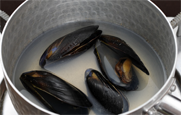
2. **Sauté Aromatics:** In a medium pot or deep pan, heat olive oil and 5g of butter over medium heat. Add the finely diced onion and minced garlic, sautéing until fragrant and translucent, about 3-5 minutes. Add the rice and stir for 1-2 minutes until the edges of the grains become translucent.
3. **Cook the Risotto:** Gradually add the broth, about ¼ cup at a time, stirring constantly. Wait until each addition of broth is almost fully absorbed before adding the next. This process should take approximately 18-20 minutes, or until the rice is al dente and the risotto is creamy.
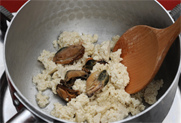
4. **Incorporate Korean Flavors:** Once the rice is almost cooked, stir in the shredded Hwangtae, mussels, fresh cream, and cubed tofu. Cook for an additional 3-5 minutes, allowing the mussels to open (if fresh) and the flavors to meld. Season with 0.2g of salt, adjusting to your preference.
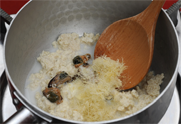
5. **Finishing Touches:** Remove the risotto from heat. Stir in the beaten egg until just incorporated, adding richness and a subtle glaze. Drizzle with sesame oil and garnish generously with toasted sesame seeds before serving immediately.
## Frequently Asked Questions about Hwangtaerijotto
### What is Hwangtaerijotto?
Hwangtaerijotto is a modern Korean fusion dish that combines the creamy texture of Italian risotto with the distinct, savory flavor of Hwangtae (dried pollock) and other traditional Korean ingredients like tofu and sesame oil.
### Can I substitute Hwangtae in this recipe?
While Hwangtae is central to the authentic flavor profile, you could experiment with other dried white fish (like dried cod) for a similar umami depth, though the taste will vary. For a different texture, fresh pollock or another firm white fish could be used, but ensure it’s cooked gently to avoid flaking too much.
📸 Recipe Gallery
📺 For reference, here’s a recommended YouTube video related to “황태리조또”.
📹 Video sourced via YouTube. All rights belong to the respective creator.