How to Make Perfect Jangeogui: Traditional Korean Recipe with Nutrition Facts
🇰🇷 The recipe below is based on official Korean MFDS (Ministry of Food and Drug Safety) data.
This comprehensive guide to Jangeogui (Grilled Eel) is based on official MFDS (Ministry of Food and Drug Safety) data, ensuring an authentic and nutritious cooking experience. Jangeogui is a revered Korean dish, celebrated for its succulent texture, rich umami flavor, and impressive health benefits. This article provides a detailed Jangeogui recipe, helping you prepare this traditional delicacy at home with confidence and expertise. You’ll learn how to make Jangeogui from scratch, along with insights into its cultural significance, nutritional value, and expert tips for a perfect dish.
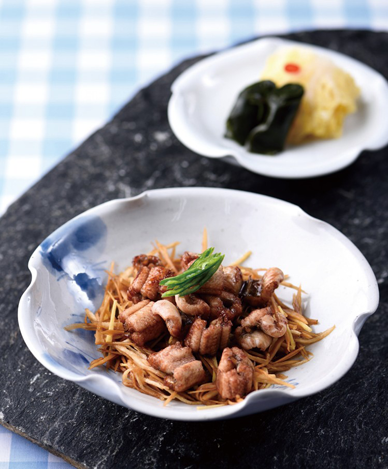
### Ingredients for Authentic Jangeogui
**Main Ingredients:**
* Jangeo (eel): 250g
* Milk: 100g (for pre-treatment)
**Braised Root Vegetables (Ppuri Chosojorim):**
* Ueong (burdock root): 60g
* Deodeok (lance asiabell root): 60g
* Saenggang (fresh ginger): 20g
* Matganjang (seasoned soy sauce): 15g
* Saenggangcheong (ginger syrup): 15g
* Oligodang (oligosaccharide syrup): 15g
* Balsamic sikcho (balsamic vinegar): 30g
**Accompanying Kimchi (Gyeotdeul-i Kimchi):**
* Myeong-i kimchi (Wild garlic kimchi): 25g
* Baek kimchi (White kimchi): 25g
### Step-by-Step Jangeogui Recipe
1. **Eel Preparation:** Thoroughly clean the Jangeo. Slice it lengthwise if not already filleted. Soak the eel in 100g of milk for 10-15 minutes to remove any fishy odor and tenderize the flesh. Rinse well and pat dry. This is a crucial step for a clean flavor.
2. **Root Vegetable Preparation:** Wash and peel the Ueong, Deodeok, and Saenggang. Slice Ueong and Deodeok into thin, bite-sized pieces. Finely julienne the Saenggang.
3. **Braising the Root Vegetables:** In a medium pan, combine Matganjang, Saenggangcheong, Oligodang, and Balsamic sikcho. Bring to a simmer over medium heat. Add the prepared Ueong, Deodeok, and Saenggang. Braise until the vegetables are tender and the sauce has reduced to a glaze, about 10-12 minutes. Set aside.
4. **Grilling the Eel:** Preheat your grill or a non-stick pan over medium-high heat. Lightly brush the eel with a small amount of cooking oil to prevent sticking. Place the Jangeo skin-side down first and grill for 4-5 minutes until crispy.
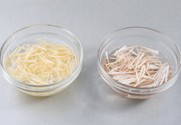
5. **Applying Glaze (Optional but Recommended):** While grilling, you can brush the eel with a traditional Jangeogui glaze (often made from soy sauce, mirin, sugar, and ginger). If you don’t have a pre-made glaze, you can use a bit of the root vegetable braising liquid for flavor.
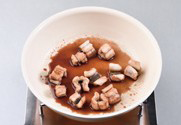
6. **Finishing the Grill:** Flip the Jangeo and grill the flesh side for another 3-4 minutes, or until cooked through and slightly caramelized. Ensure the internal temperature reaches 63°C (145°F).
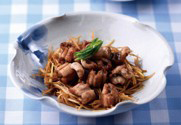
7. **Plating:** Carefully transfer the grilled Jangeo to a serving plate. Arrange the braised root vegetables alongside. Serve with the Myeong-i kimchi and Baek kimchi.
### The Rich History of Jangeogui
Jangeogui holds a special place in Korean culinary tradition, particularly as a restorative and energizing dish. Historically, it has been consumed during the hotter months, especially around “Boknal” (the three hottest days of summer), to combat fatigue and bolster stamina. The belief in eel’s health benefits, stemming from its rich nutrient profile, has made it a prized ingredient for centuries, often served on special occasions or when one needs a boost. Different regions in Korea have their unique Jangeogui preparations, but the grilled form remains the most popular.
### Jangeogui Nutrition Facts
Based on official MFDS data for a 250g serving of Jangeogui:
* **Calories:** 186.1 kcal
* **Carbohydrates:** 9.2 g
* **Protein:** 16.4 g
* **Fat:** 9.8 g
### Expert Tips for Perfect Jangeogui
* **Mom’s Tip 1: Odor Removal is Key:** Don’t skip the milk soak for the eel. It genuinely makes a huge difference in the final taste, ensuring a clean and pleasant flavor profile without any lingering fishiness.
* **Mom’s Tip 2: Don’t Overcook:** Eel cooks relatively quickly. Keep a close eye on it, especially when grilling. Overcooked eel can become tough and lose its succulent texture. A slight crispiness on the skin and tender, flaky flesh is ideal.
* **Mom’s Tip 3: Customize Your Glaze:** While a classic soy-based glaze is common, feel free to experiment. A spicy Gochujang (Korean chili paste) glaze or a subtle garlic-honey glaze can add an exciting twist to your Jangeogui.
### Jangeogui FAQs
**Q: What is Jangeogui?**
A: Jangeogui is a popular Korean dish consisting of grilled freshwater eel, typically marinated in a flavorful soy-based sauce and cooked over an open flame or pan-fried until tender and slightly crispy.
**Q: Can I use frozen eel for Jangeogui?**
A: Yes, frozen eel can be used. Ensure it is fully thawed in the refrigerator overnight before preparation. Pat it very dry before soaking in milk and grilling for the best texture.
📸 Recipe Gallery
📺 For reference, here’s a recommended YouTube video related to “장어구이”.
📹 Video sourced via YouTube. All rights belong to the respective creator.