How to Make Perfect Jukkumidolnamulmuchim: Traditional Korean Recipe with Nutrition Facts
🇰🇷 The recipe below is based on official Korean MFDS (Ministry of Food and Drug Safety) data.
Welcome to an authentic guide on how to make Jukkumidolnamulmuchim (Spicy Webfoot Octopus and Stonecrop Salad), a vibrant and refreshing Korean dish that perfectly balances spicy, sweet, and tangy flavors. This guide, focusing on the traditional Jukkumidolnamulmuchim recipe, offers detailed instructions and insights. It is based on official MFDS (Ministry of Food and Drug Safety) data, ensuring accuracy in preparation and nutritional information.
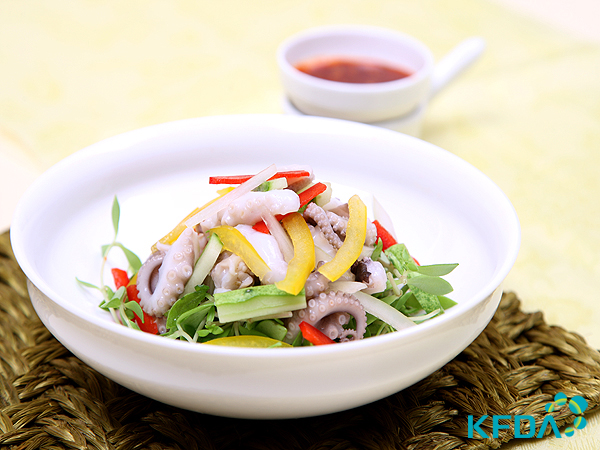
Expert Tips for Jukkumidolnamulmuchim
Achieving the perfect Jukkumidolnamulmuchim requires attention to detail.
* **Mom’s Tip 1 (Texture):** When preparing jukkumi, blanch it briefly for no more than 30 seconds. Overcooking will make it tough and rubbery. A quick dip in boiling water then immediate chilling in ice water preserves its tender, chewy texture.
* **Mom’s Tip 2 (Flavor Balance):** The balance of gochujang, sikcho, and maesilaek is crucial. Taste the sauce before mixing with the vegetables and adjust to your preference – more sikcho for tang, more maesilaek for sweetness.
* **Mom’s Tip 3 (Freshness):** Dolnamul (stonecrop) is best when very fresh and crisp. If it seems wilted, soak it in cold water for 10-15 minutes before use to revive its crunch.
The History of Jukkumidolnamulmuchim
Jukkumidolnamulmuchim is a contemporary spin on traditional Korean muchim (salad) dishes, evolving from a culinary tradition that values fresh seasonal ingredients. Webfoot octopus, or jukkumi, is particularly popular in spring when it’s plump and flavorful, often celebrated in festivals. Dolnamul, a wild succulent, adds a unique crispness and slightly sour note, traditionally used in various Korean side dishes for its refreshing properties. This particular combination is cherished for its bright flavors, especially as a light, invigorating dish during warmer months, reflecting Korea’s appreciation for harmony between diverse textures and tastes in its cuisine.
Nutrition Facts (Per Serving)
This traditional dish offers a light yet flavorful option. Based on official MFDS (Ministry of Food and Drug Safety) data, one serving of Jukkumidolnamulmuchim provides:
| Nutrient | Amount |
| :———- | :———- |
| Calories | 69.6 kcal |
It is a good source of lean protein from jukkumi and offers vitamins from fresh vegetables, making it a healthy addition to any meal.
Authentic Jukkumidolnamulmuchim Ingredients
To prepare this delightful salad, gather these fresh components:
* Jukkumi (Webfoot Octopus): 50g
* Dolnamul (Stonecrop): 15g
* Oi (Cucumber): 10g, thinly sliced
* Norang Paprika (Yellow Bell Pepper): 5g, thinly sliced
* Ppalgang Paprika (Red Bell Pepper): 5g, thinly sliced
* Yangpa (Onion): 5g, thinly sliced
* Gochujang (Korean Chili Paste): 9g
* Sikcho (Vinegar): 6g
* Maesilaek (Korean Plum Extract): 5g
* Dajin Pa (Minced Green Onion): 5g
* Dajin Maneul (Minced Garlic): 2.5g
* Tongkkae (Toasted Sesame Seeds): 1g
* Gochutgaru (Korean Chili Flakes): 1g (optional, for extra spice)
Step-by-Step Jukkumidolnamulmuchim Preparation
Follow these clear steps to create your refreshing Jukkumidolnamulmuchim:
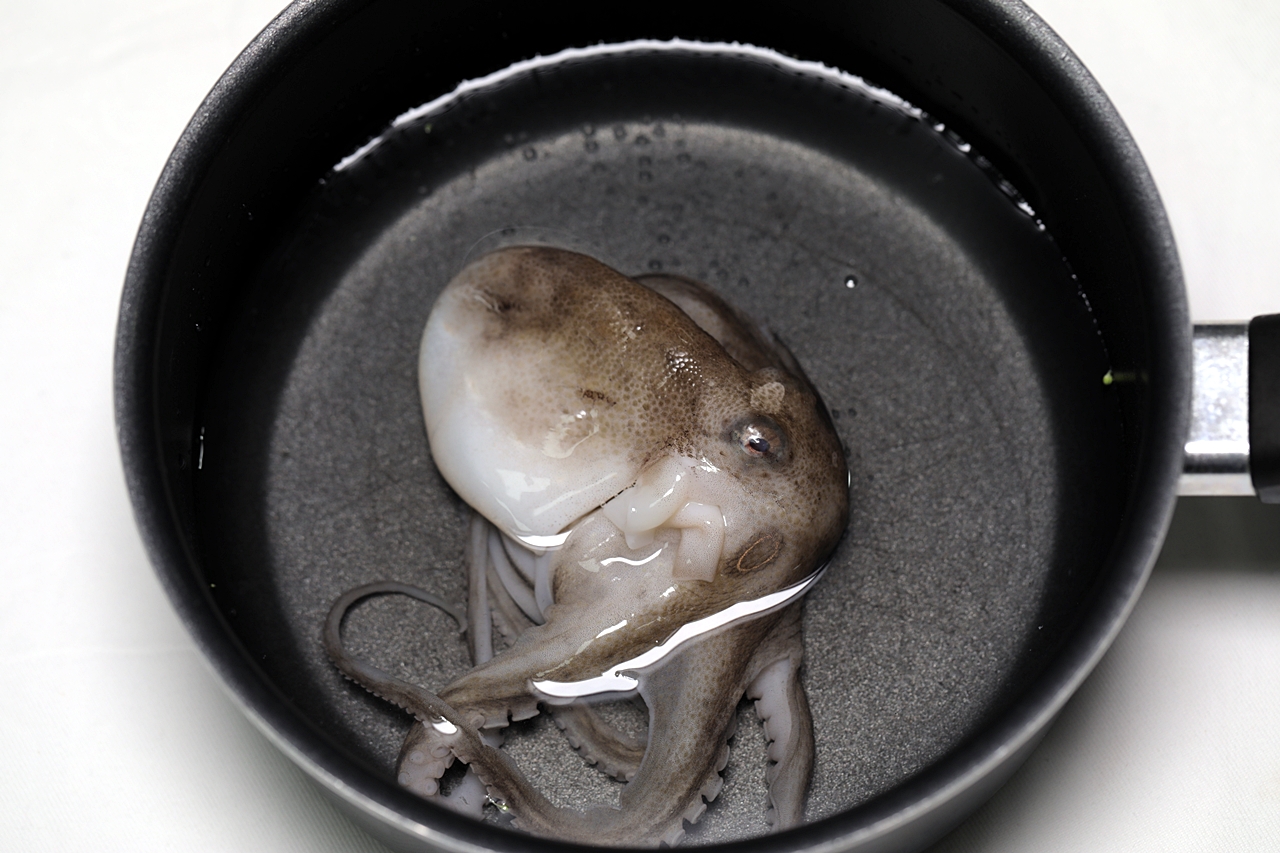
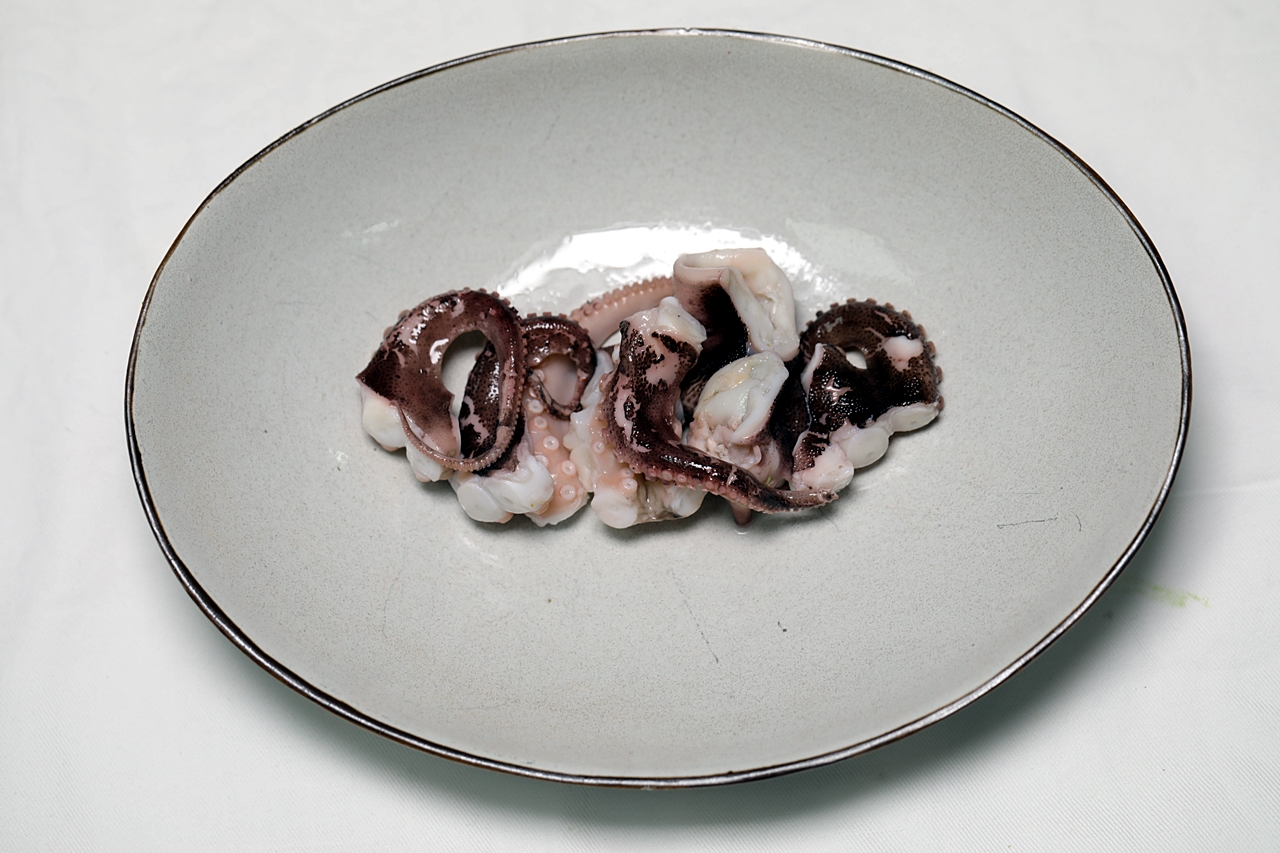
1. **Prepare Jukkumi:** Clean the 50g jukkumi thoroughly. Bring a small pot of water to a rolling boil. Blanch the jukkumi for about 20-30 seconds, then immediately transfer it to an ice bath to stop cooking and maintain tenderness. Drain well and slice into bite-sized pieces.
2. **Prepare Vegetables:** Wash the 15g dolnamul. Thinly slice the 10g oi, 5g norang paprika, 5g ppalgang paprika, and 5g yangpa. Ensure all vegetables are crisp and well-drained.
3. **Make the Dressing:** In a mixing bowl, combine 9g gochujang, 6g sikcho, 5g maesilaek, 5g dajin pa, 2.5g dajin maneul, and 1g gochutgaru (if using). Mix until smooth and well-incorporated.
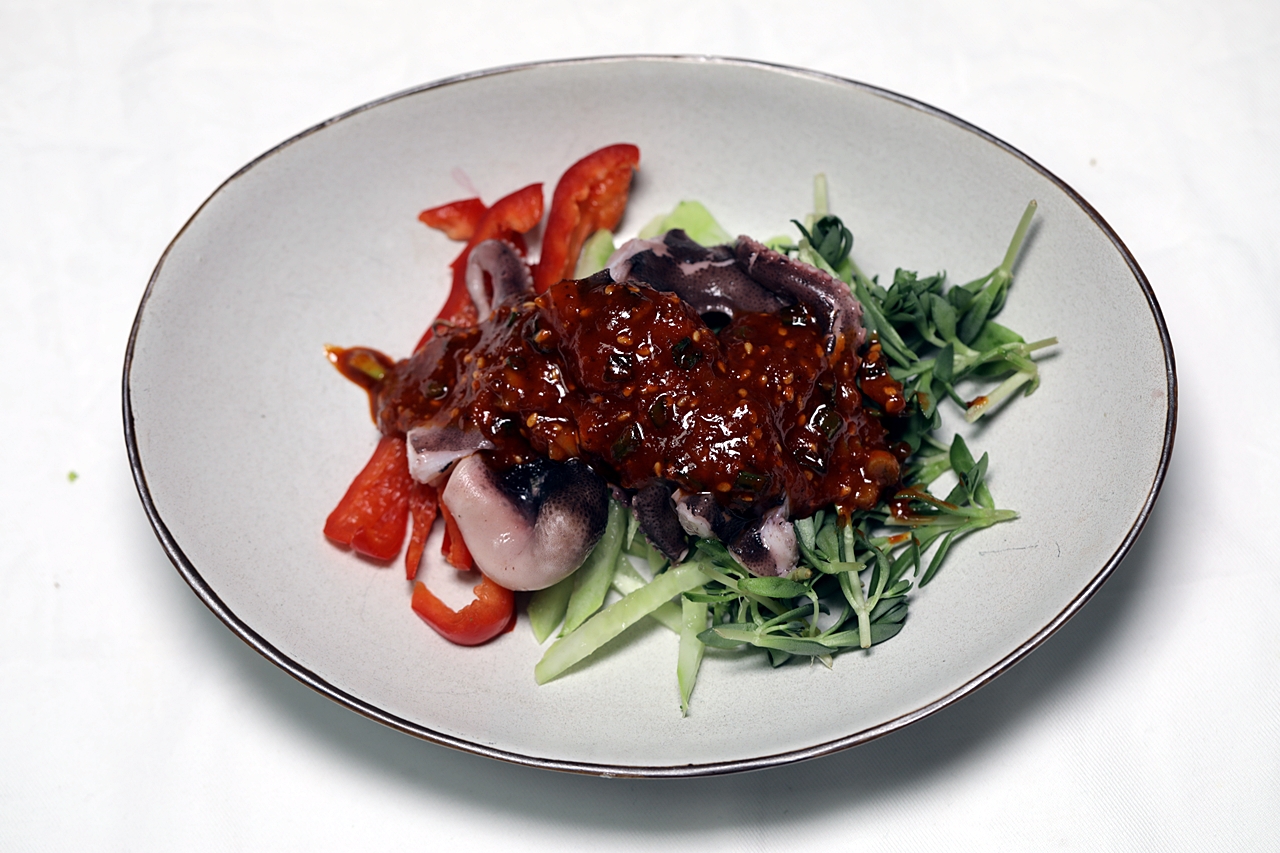
4. **Combine Ingredients:** Add the prepared jukkumi, dolnamul, oi, norang paprika, ppalgang paprika, and yangpa to the bowl with the dressing. Gently toss everything together, ensuring all components are evenly coated. Be careful not to bruise the delicate dolnamul.
5. **Garnish and Serve:** Transfer the Jukkumidolnamulmuchim to a serving plate. Sprinkle with 1g tongkkae for garnish. Serve immediately as a refreshing side dish or appetizer.
Frequently Asked Questions
**Q: What is Dolnamul?**
A: Dolnamul (Stonecrop) is a succulent plant commonly used in Korean cuisine. It has a slightly sour, refreshing taste and a crisp texture, often eaten raw in salads (muchim) or stir-fried.
**Q: Can I prepare Jukkumidolnamulmuchim ahead of time?**
A: It is best served immediately after preparation to maintain the crispness of the vegetables and the tenderness of the jukkumi. If you must prepare it in advance, keep the dressing separate and mix just before serving for optimal texture and flavor.
📸 Recipe Gallery
📺 For reference, here’s a recommended YouTube video related to “주꾸미돌나물무침”.
📹 Video sourced via YouTube. All rights belong to the respective creator.