Why Jukkumiyeonpotang Is Korea’s Soul Food: Full Recipe, Nutrition & Cultural History

🇰🇷 The recipe below is based on official Korean MFDS (Ministry of Food and Drug Safety) data.
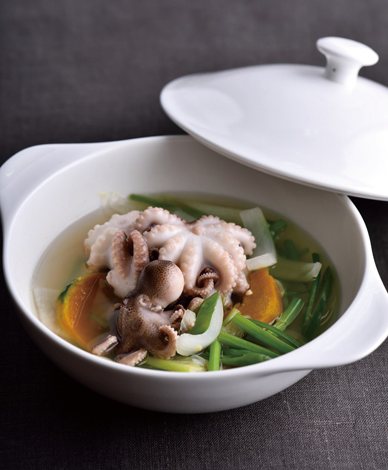
This guide to Jukkumiyeonpotang (Webfoot Octopus Clear Soup) is based on official MFDS (Ministry of Food and Drug Safety) data, ensuring an authentic and nutritious experience. Learn how to make Jukkumiyeonpotang, a beloved Korean clear soup known for its delicate flavors and health benefits. This traditional Korean food features tender webfoot octopus in a refreshing seafood broth, perfect for a light yet satisfying meal.
### Nutrition
Based on official MFDS data, one serving of Jukkumiyeonpotang contains:
* Calories: 90.3 kcal
* Carbohydrates: 7.9 g
* Protein: 12.3 g
* Fat: 0.6 g
* Sodium: 790.8 mg
### History
Jukkumiyeonpotang, like many Korean clear soups (yeonpotang), emerged from a culinary tradition emphasizing the natural taste of fresh seafood. Historically, these dishes offered clean, refreshing nourishment without heavy spices. Webfoot octopus (jukkumi), a popular spring delicacy, is cherished for its tender texture and mild brininess, making it ideal for such a pure preparation. This simple, elegant dish showcases centuries of Korean wisdom in maximizing ingredient quality.
### Authentic Jukkumiyeonpotang Ingredients
High-quality ingredients are crucial for an authentic taste.
* Jukkumi (Webfoot Octopus): 200g (fresh or frozen, thawed)
* Mu (Korean Radish): 30g (peeled, thinly sliced)
* Yangpa (Onion): 50g (sliced)
* Daepa (Green Onion): 20g (chopped)
* Minari (Water Dropwort): 20g (cut 5cm, substitute with watercress)
* Danhobak (Kabocha Squash): 25g (thinly sliced, substitute with butternut squash)
* Cheonggochu (Green Chili): 25g (sliced diagonally)
* **For the Broth:**
* Haemullyuksu (Seafood Broth): 400g (homemade or quality store-bought)
* Cheongyanggochu (Spicy Green Chili): 20g (sliced, omit if sensitive)
* Maneul (Garlic): 10g (minced)
* Huinhucheu (White Pepper): 1g
### Mom’s Tips for Perfect Jukkumiyeonpotang
1. **Octopus Timing:** Jukkumi cooks fast. Add it last and simmer only 1-2 minutes until opaque and tender. Overcooking yields tough, rubbery results.
2. **Broth Quality:** A superior seafood broth is key. Use homemade (dried anchovies, kelp) or a premium store-bought version for the best flavor foundation.
3. **Uniform Slicing:** Slice all vegetables uniformly for even cooking and an appealing presentation. Thinner cuts of radish and squash soften quicker.
### How to Make Jukkumiyeonpotang: Step-by-Step
Prepare this exquisite Korean dish with these instructions.
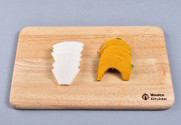
1. **Prepare Vegetables:** Clean all vegetables. Thinly slice mu, yangpa, danhobak, cheonggochu, and cheongyanggochu. Chop daepa and mince maneul.
2. **Clean Octopus:** Remove innards, eyes, and beak from jukkumi. Rinse thoroughly under cold water.
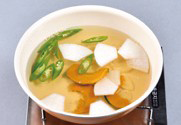
3. **Simmer Broth:** In a pot, bring haemullyuksu to a boil. Add mu, yangpa, danhobak, cheonggochu, cheongyanggochu, and minced maneul. Reduce heat, simmer 5-7 minutes until vegetables slightly soften.
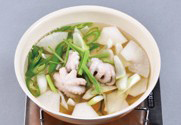
4. **Add Octopus & Seasoning:** Stir in huinhucheu. Add cleaned jukkumi and minari.
5. **Final Cook:** Simmer for another 1-2 minutes, just until jukkumi is opaque and tender. Do not overcook.
6. **Serve:** Ladle Jukkumiyeonpotang into bowls. Garnish with chopped daepa. Serve immediately.
### FAQ about Jukkumiyeonpotang
**Q: Can I use other octopus types?**
A: Yes, small octopus or squid can substitute jukkumi, but adjust cooking times as needed to avoid overcooking.
**Q: How spicy is it usually?**
A: Traditional Jukkumiyeonpotang is a clear, mildly seasoned soup. Cheongyanggochu adds a subtle warmth, but it’s not meant to be fiery. Adjust or omit chilies to your preference.
📸 Recipe Gallery
📺 For reference, here’s a recommended YouTube video related to “주꾸미연포탕”.
📹 Video sourced via YouTube. All rights belong to the respective creator.