How to Make Perfect Kkomaktteokkkochigui: Traditional Korean Recipe with Nutrition Facts
🇰🇷 The recipe below is based on official Korean MFDS (Ministry of Food and Drug Safety) data.
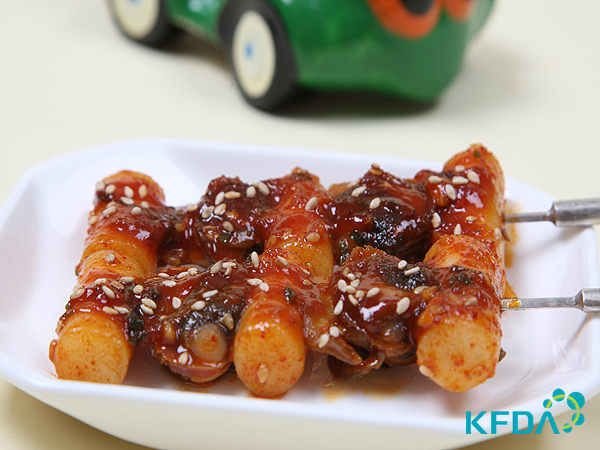
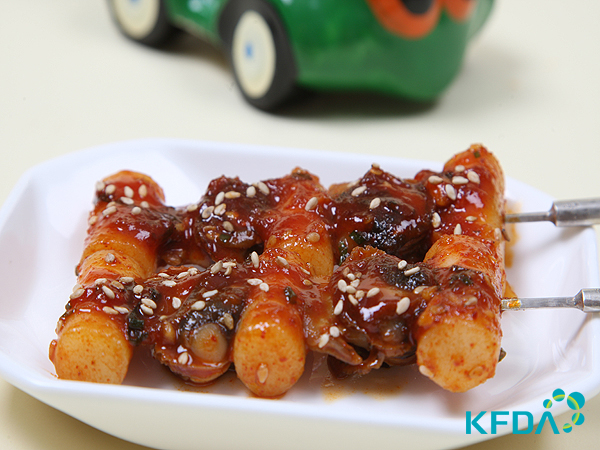
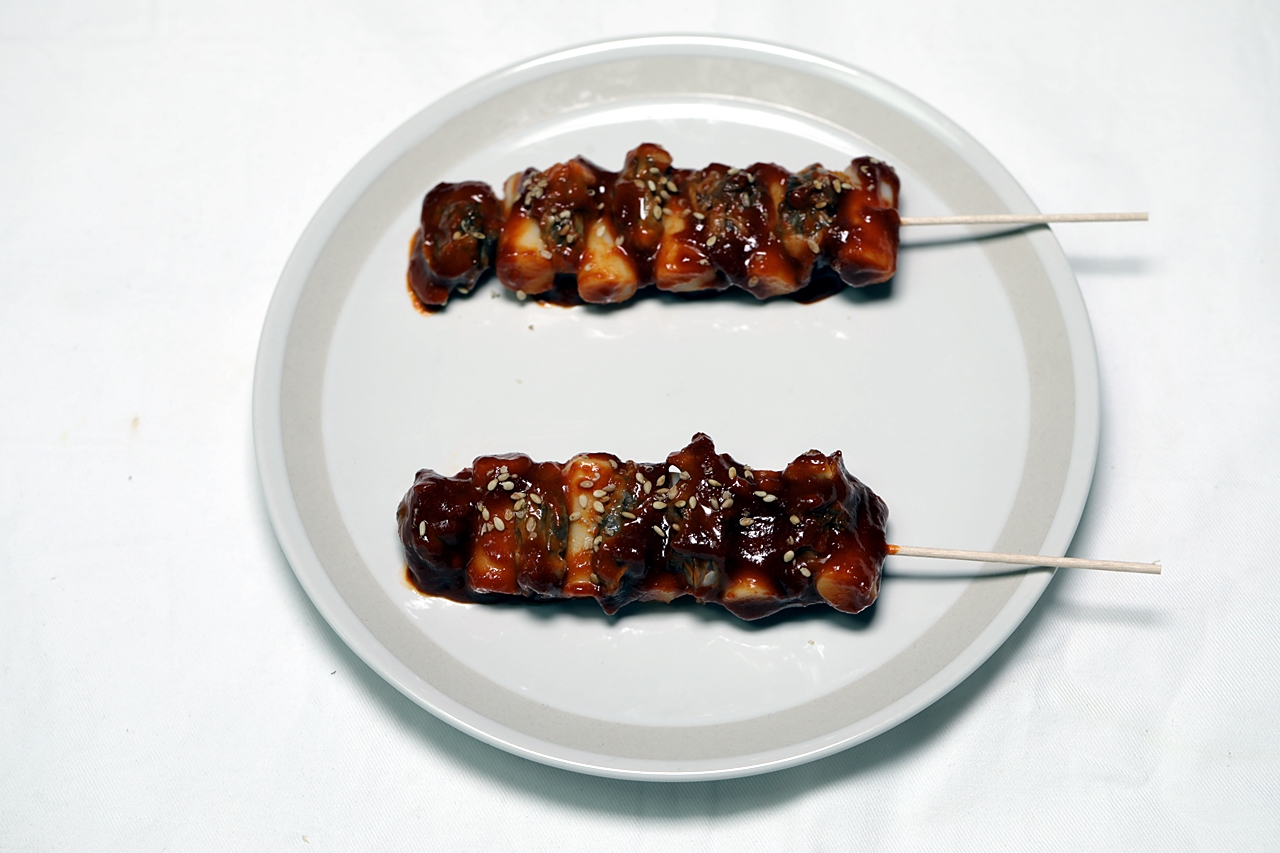
This guide for Kkomaktteokkkochigui (Cockle Rice Cake Skewers) is based on official MFDS (Ministry of Food and Drug Safety) data, ensuring authenticity and reliable nutrition. Kkomaktteokkkochigui offers a delightful twist on Korean street food, combining chewy rice cakes with succulent cockles, all coated in a vibrant, savory-spicy sauce. It’s a fantastic way to explore the diverse flavors of Korean cuisine. If you’re looking for an authentic Kkomaktteokkkochigui recipe, this detailed guide will show you exactly how to make Kkomaktteokkkochigui from scratch, bringing a unique taste of Korea to your kitchen.
### History of Kkomaktteokkkochigui
Kkomaktteokkkochigui is a creative and relatively modern adaptation of Korea’s beloved street food, tteokbokki (spicy rice cakes). It reflects a growing culinary trend to blend familiar snack items with fresh, high-quality seafood. Cockles (kkomak) are particularly cherished in Korean cuisine, especially in coastal regions, for their unique oceanic flavor and pleasing texture. This dish expertly fuses the comforting chewiness of rice cakes with the distinct richness of cockles, offering a sophisticated yet accessible snack or light meal that captivates a wide audience.
### Ingredients for Kkomaktteokkkochigui
This recipe, meticulously measured per official MFDS standards, yields one serving.
* **Main Components:**
* Kkomak (Cockle): 60g (approximately 20g edible portion after shelling and cleaning)
* Tteokbokki-tteok (Cylindrical Rice Cakes): 40g (often found fresh or frozen in Korean markets)
* **Sauce & Seasoning:**
* Gochujang (Korean Chili Paste): 8g (provides the signature spicy kick)
* Yangpa (Onion), finely minced: 10g (adds a subtle sweetness and aroma)
* Pa (Scallion), finely chopped: 5g (for fresh, aromatic notes)
* Jocheong (Rice Syrup): 3g (Substitute: Corn syrup or maple syrup for sweetness and glaze)
* Hyeonmiyu (Brown Rice Oil): 3g (Substitute: Any neutral cooking oil like vegetable or canola oil)
* Dajin Maneul (Minced Garlic): 2.5g (essential for depth of flavor)
* Ganjang (Soy Sauce): 1g (for umami and seasoning)
* Gochutgaru (Korean Chili Powder): 1g (adjust according to your preferred spice level)
* Chamgireum (Sesame Oil): 1g (adds a distinct nutty aroma)
* Tongkkae (Sesame Seeds), for garnish: 0.5g (for visual appeal and crunch)
### Cooking Steps to Make Kkomaktteokkkochigui
1. **Prepare the Cockles:** Begin by thoroughly cleaning the kkomak. Blanch them quickly in boiling water for about 30 seconds, just until their shells slightly open. Carefully remove the tender meat from the shells, ensuring no grit remains, then set aside.
2. **Prepare the Rice Cakes:** Bring a pot of water to a boil. Add the tteokbokki-tteok and cook for 1-2 minutes until they are soft and pliable yet retain their characteristic chewiness. Drain them well and set aside.
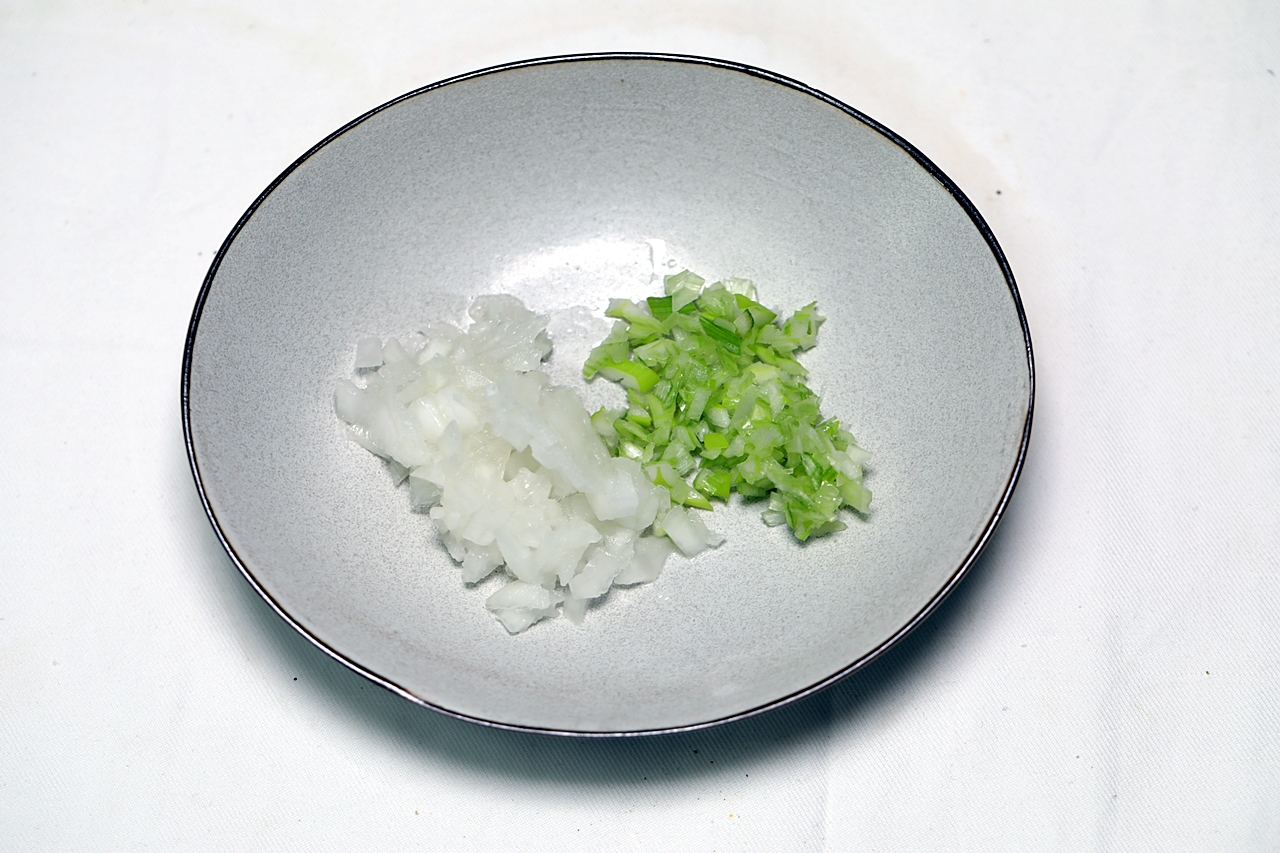
3. **Craft the Flavorful Sauce:** In a medium bowl, combine the gochujang, finely minced onion, chopped scallion, jocheong, minced garlic, ganjang, gochutgaru, and chamgireum. Whisk all ingredients vigorously until you achieve a smooth, homogenous paste, ensuring all flavors are well-integrated.
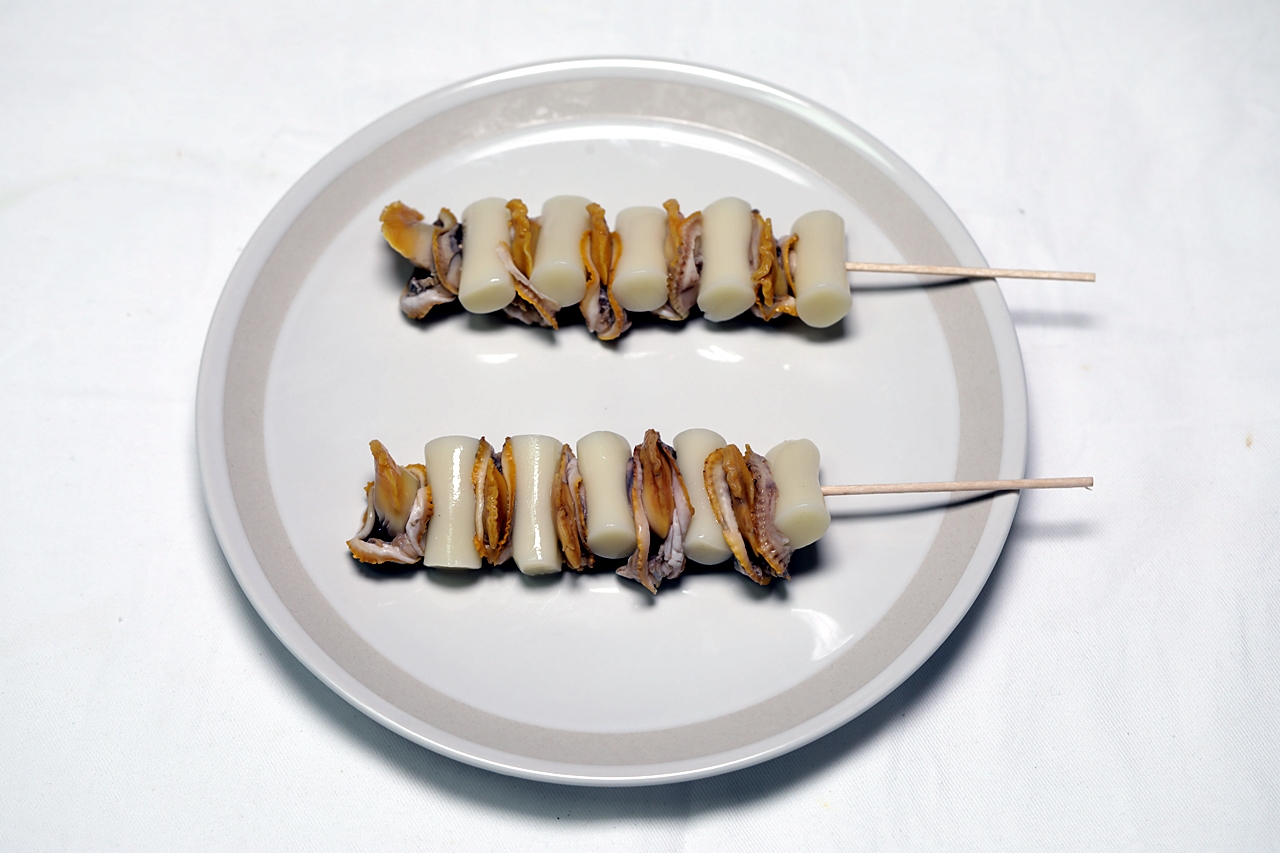
4. **Assemble the Skewers:** Carefully thread the prepared cockle meat and the softened rice cakes alternately onto small bamboo skewers. Aim for an appealing arrangement.
5. **Grill or Pan-Fry:** Heat the hyeonmiyu (or your chosen cooking oil) in a non-stick pan over medium heat. Place the assembled skewers in the hot pan and generously brush them with the prepared savory sauce. Grill or pan-fry for 2-3 minutes per side, turning occasionally, until the sauce is beautifully caramelized and the rice cakes achieve a slight crispiness on the exterior.
6. **Garnish and Serve:** Once cooked to perfection, transfer the Kkomaktteokkkochigui to a serving plate. Finish by sprinkling liberally with tongkkae (sesame seeds) for added texture and aroma. Serve immediately while warm to enjoy the best flavors.
### Nutrition Information
Based on official MFDS data for one serving:
| Nutrient | Amount |
| :——- | :—– |
| Calories | 220.8 kcal |
### Mom’s Tips for Perfect Kkomaktteokkkochigui
* **Optimal Cockle Tenderness:** The key to succulent cockles is precise timing. Blanching for just 30 seconds ensures they remain tender and juicy, preventing them from becoming rubbery.
* **Customizing Your Sauce:** Don’t be afraid to adjust the sauce to your taste. For a sweeter profile, add a little extra jocheong. If you crave more heat, a pinch more gochutgaru can elevate the spice.
* **Achieving Ideal Rice Cake Texture:** After boiling, rinsing the rice cakes in cold water briefly helps prevent them from sticking together and locks in their desirable chewy texture. When grilling, maintain medium heat to allow the sauce to caramelize without burning, ensuring the tteok is soft inside with a lovely slight crisp exterior.
### Frequently Asked Questions
**Q: Can I use frozen cockles for Kkomaktteokkkochigui, and how should I prepare them?**
A: Absolutely, frozen cockles are a convenient option. Ensure they are fully thawed in the refrigerator overnight before use. Once thawed, proceed with cleaning and blanching as directed in the recipe.
**Q: What if I cannot find traditional tteokbokki-tteok in my local market?**
A: While cylindrical tteokbokki-tteok is preferred, you can easily substitute with other plain Korean rice cakes, such as the flat, oval-shaped tteok (tteokguk-tteok) often used for soup. Simply cut them into appropriate, skewer-friendly sizes before boiling. The texture might vary slightly, but the dish will still be delicious.
📸 Recipe Gallery
📺 For reference, here’s a recommended YouTube video related to “꼬막떡꼬치구이”.
📹 Video sourced via YouTube. All rights belong to the respective creator.