Unlock the Secret of Kolrabimulgimchi: Authentic Flavors from South Korea’s MFDS Data
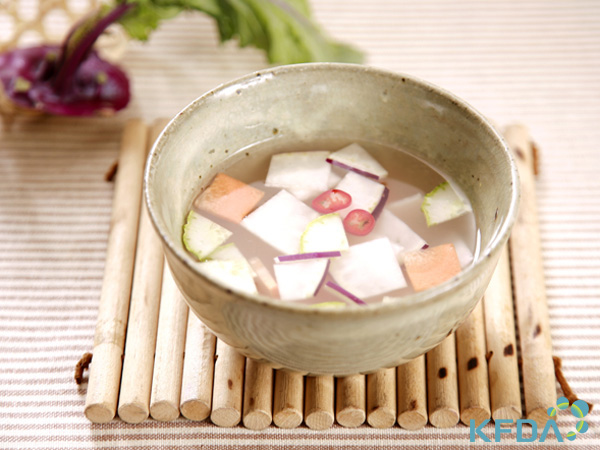
🇰🇷 The recipe below is based on official Korean MFDS (Ministry of Food and Drug Safety) data.
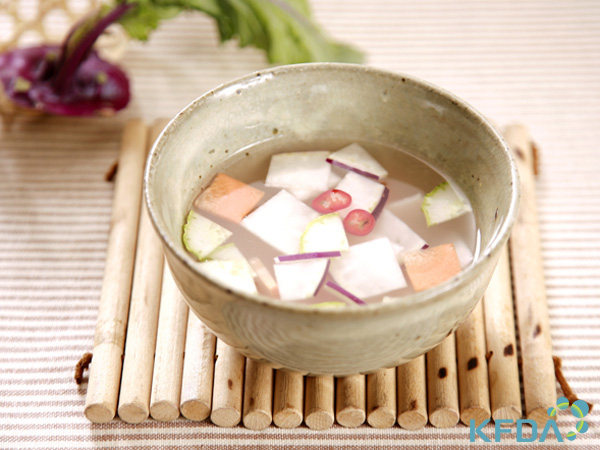
This guide delves into Kolrabimulgimchi (Kohlrabi Water Kimchi), a vibrant and healthful Korean side dish. Learn how to make Kolrabimulgimchi with this authentic recipe, based on official MFDS (Ministry of Food and Drug Safety) data, ensuring traditional preparation. Kolrabimulgimchi is a crisp, subtly sweet, and tangy water kimchi, perfect for complementing any Korean meal or enjoyed on its own as a light, palate-cleansing dish. Its unique crunch and hydrating broth make it a beloved choice, especially in warmer months for a refreshing culinary experience.
## Nutrition Facts (per serving)
Based on official MFDS data, a single serving of Kolrabimulgimchi provides:
* **Calories:** 24.1 kcal
This dish is naturally low in calories and rich in vitamins from its fresh vegetables. It offers valuable hydration and beneficial probiotics from fermentation, making it a truly healthy addition to any balanced diet.
## History of Kolrabimulgimchi
Mulgimchi, or water kimchi, has a long-standing tradition in Korean cuisine, historically valued for its refreshing broth and lighter profile compared to more heavily spiced napa cabbage kimchis. Kolrabi, though not native to Korea, was readily adopted into traditional dishes for its inherently crisp texture and mild, sweet flavor, making it an ideal candidate for mulgimchi. This particular variant beautifully highlights Korean culinary adaptability, integrating new ingredients to create unique interpretations of classic dishes and reflecting a keen preference for seasonal vegetables and the proven health benefits associated with fermented foods.
## Essential Ingredients
To prepare this authentic Kolrabimulgimchi recipe, you will need the following ingredients, precisely measured for optimal flavor:
* Kolrabi (Kohlrabi): 10g, peeled and thinly sliced
* Danggeun (Carrot): 3g, julienned
* Oi (Cucumber): 6g, julienned
* Cheonggochu (Green Chili): 2g, thinly sliced (for a subtle kick)
* Honggochu (Red Chili): 1g, thinly sliced (for color and mild heat)
* Silpa (Scallion): 0.5g, cut into 3cm lengths
* Sogeum (Salt): 0.5g (for brining) + 1g (for broth seasoning)
* Mul (Water): 60g, as the base for the clear broth
* Chapssalgaru (Sweet Rice Flour): 10g (can substitute with regular rice flour for a lighter texture)
* Bae (Korean Pear): 10g, peeled and finely grated (adds natural sweetness)
* Jeokyangpa (Red Onion): 10g, finely grated (can substitute with regular white onion)
## Chef’s Tips for Perfect Kolrabimulgimchi
1. **Brining Precision:** Brining the kolrabi with 0.5g salt for 20-30 minutes is crucial. It draws out excess water, ensuring a crisp texture, and allows the vegetable to better absorb the broth’s flavors. Always remember to rinse lightly and drain well afterwards.
2. **Broth Temperature:** The chapssalgaru paste is key to the mulgimchi’s characteristic slightly thickened broth. Always ensure this paste cools completely before combining with other broth ingredients; my experience shows hot paste can compromise vegetable texture.
3. **Fermentation Timing:** My mom always taught me, “Taste it daily; your kimchi will tell you when it’s perfect!” For a fresher, crisper taste, consume within a few days. For a more pronounced sour and fermented flavor, allow it to sit at room temperature for 1-2 days before moving it to the refrigerator.
## Step-by-Step Guide
### Prepare Vegetables
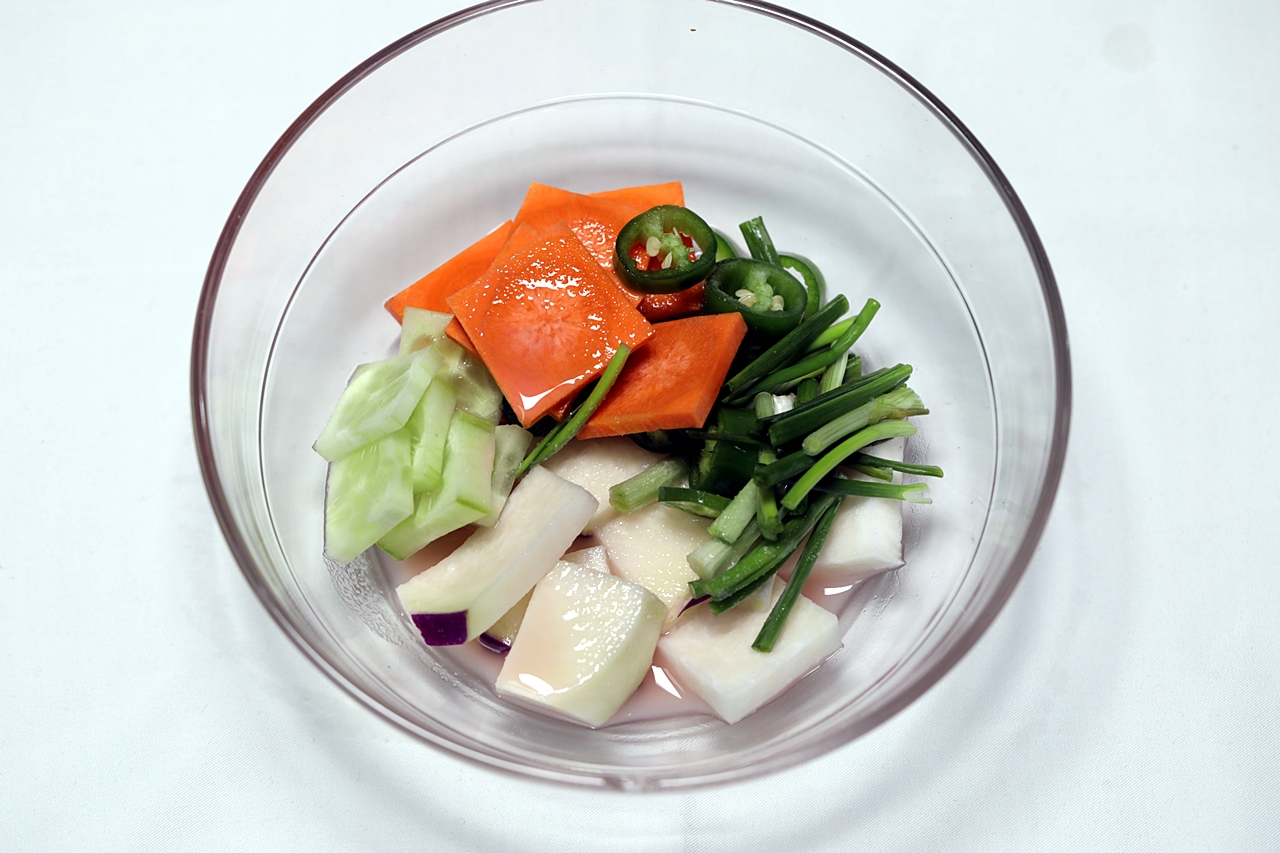
1. Slice kolrabi, danggeun, oi, cheonggochu, honggochu, and silpa.
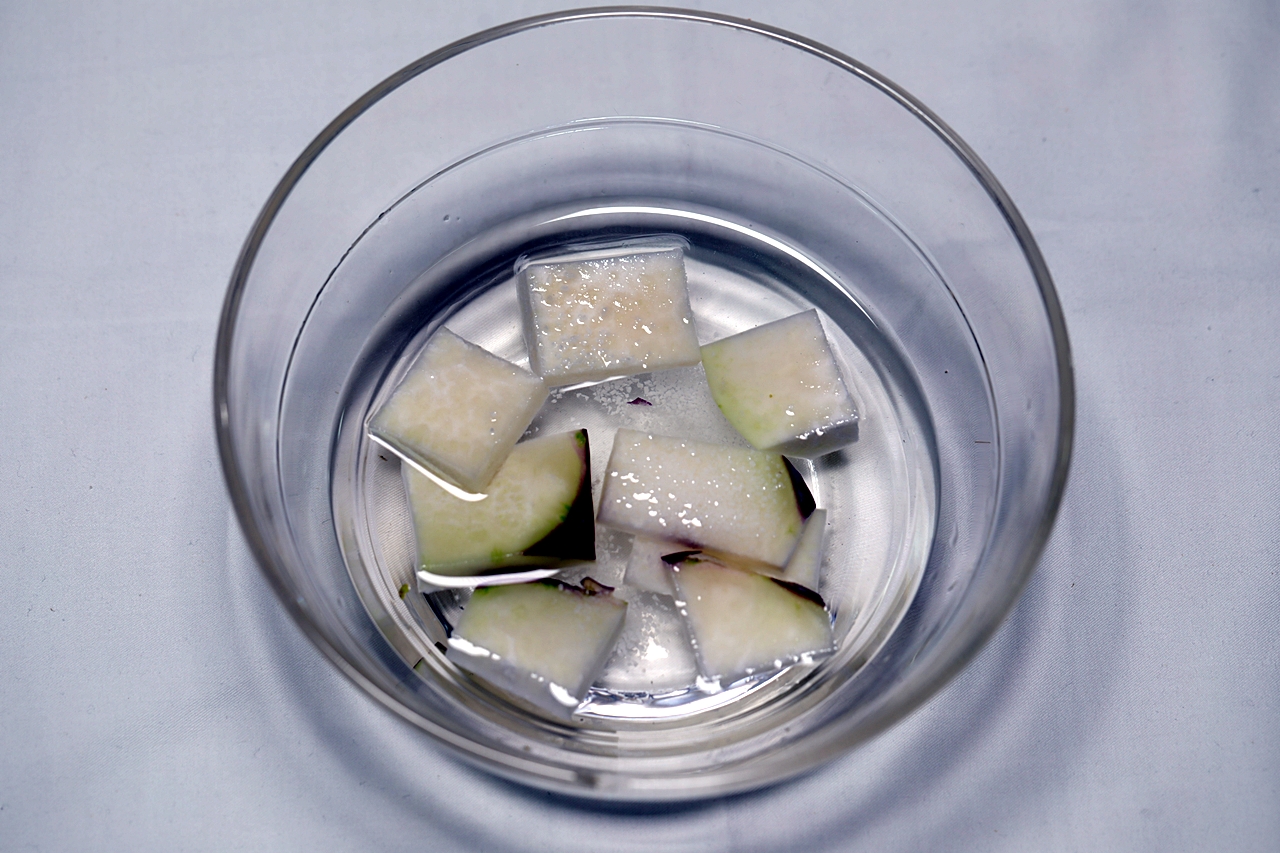
2. Toss sliced kolrabi with 0.5g salt; let sit 20-30 minutes. Rinse lightly and drain thoroughly.
3. Finely grate bae and jeokyangpa.
### Make Kimchi Broth
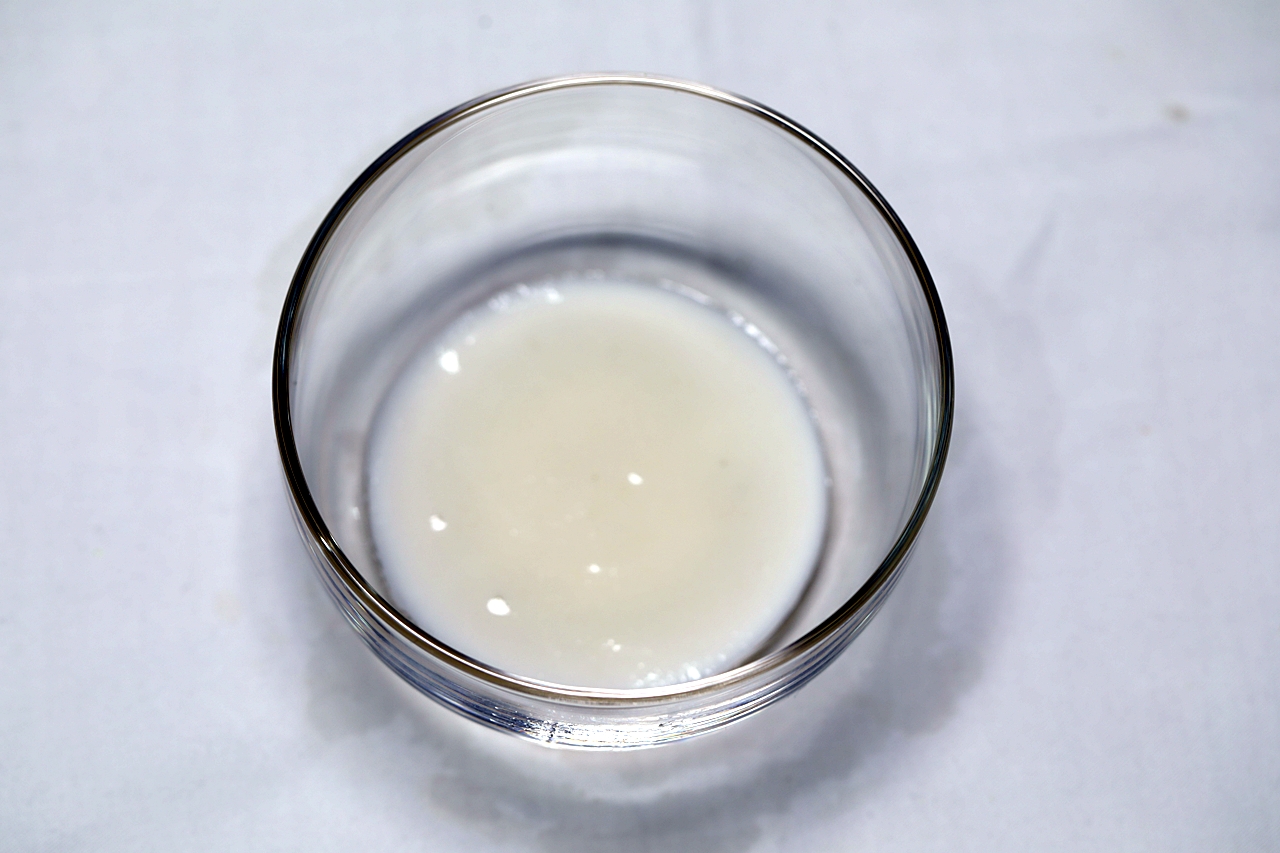
4. Whisk 10g chapssalgaru with 60g mul in a small pot. Heat gently over medium-low, stirring constantly, until it thickens into a translucent paste. Cool completely.
5. Combine the cooled paste with grated bae, grated jeokyangpa, and remaining 1g sogeum. Mix well.
### Assemble and Ferment
6. In a large container, combine the brined kolrabi, danggeun, oi, cheonggochu, honggochu, and silpa.
7. Pour the prepared kimchi broth over the vegetables, ensuring they are fully submerged. Stir gently.
8. Cover and let sit at room temperature for 12-24 hours for initial fermentation, adjusting based on ambient temperature.
9. Refrigerate once a slight tanginess is detected. Kolrabimulgimchi is best served well chilled.
## Frequently Asked Questions
### Q: What is Kolrabimulgimchi?
A: Kolrabimulgimchi is a refreshing Korean water kimchi, primarily made with crisp kohlrabi, other fresh vegetables, and a clear, slightly sweet and tangy broth. It is highly valued for its light flavor and hydrating properties.
### Q: How long does Kolrabimulgimchi last in the refrigerator?
A: When stored properly in an airtight container in the refrigerator, Kolrabimulgimchi can last for 1-2 weeks. Its flavor will naturally deepen and become more sour over time due to continued fermentation.
📸 Recipe Gallery
📺 For reference, here’s a recommended YouTube video related to “콜라비물김치”.
📹 Video sourced via YouTube. All rights belong to the respective creator.