Konggarubibimbap Recipe: Everything You Need to Know About This Iconic Korean Dish
🇰🇷 The recipe below is based on official Korean MFDS (Ministry of Food and Drug Safety) data.
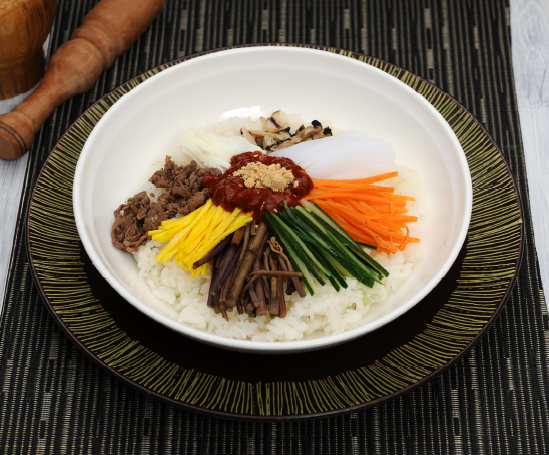
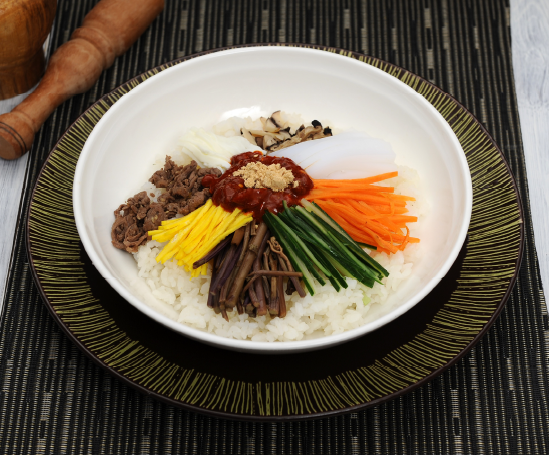
Konggarubibimbap (Roasted Soybean Powder Bibimbap) is a delightful and nutritious Korean mixed rice dish, celebrated for its unique nutty aroma and rich flavor profile derived from roasted soybean powder. Originating as a practical way to consume various seasonal vegetables, bibimbap has evolved into a beloved staple, with regional variations like Konggarubibimbap offering distinct culinary experiences. This guide provides an authentic Konggarubibimbap recipe, detailing how to make this traditional Korean food with precision.
This guide is based on official MFDS (Ministry of Food and Drug Safety) data, ensuring a reliable and traditional approach to preparation and accurate nutritional information.
## Essential Ingredients for Konggarubibimbap
Crafting the perfect Konggarubibimbap starts with fresh, quality ingredients. This recipe yields one serving.
* **Cooked Rice (Ssalbap):** 150g (white or multigrain rice)
* **Mung Bean Jelly (Cheongpomuk):** 20g
* **Egg (Dalgyal):** 50g (approx. 1 large egg)
* **Cucumber (Oi):** 20g
* **Carrot (Danggeun):** 20g
* **Bracken (Gosari):** 20g (rehydrated)
* **Shiitake Mushroom (Pyeogobeoseot):** 20g (fresh or rehydrated)
* **Cooking Oil (Sikyongyu):** 10g (for stir-frying vegetables)
* **Sesame Oil (Chamgireum):** 10g (5g for vegetables, 5g for beef garnish)
* **Salt (Sogeum):** 1g (0.5g for mung bean jelly, 0.5g for egg)
* **Black Pepper Powder (Huchutgaru):** 0.03g
**For the Beef Garnish (Sogogi Gyeoteurimchaeso):**
* **Beef (Sogogi):** 15g (thinly sliced or minced)
* **Green Onion (Daepa):** 5g (finely chopped)
* **Garlic (Maneul):** 10g (minced)
**For the Gochujang Sauce (Gochujang Soseu):**
* **Gochujang:** 20g (Korean chili paste)
* **Roasted Soybean Powder (Konggaru):** 20g
* **Minced Beef (Dajin Sogogi):** 15g
## Nutrition Information
Based on official MFDS data, this Konggarubibimbap recipe provides the following nutritional information per serving:
* **Calories:** 449.4 kcal
## How to Make Konggarubibimbap
Follow these detailed steps to prepare your authentic Konggarubibimbap.
1. **Prepare Vegetables:**
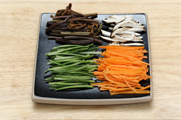
* Thinly julienne cucumber, carrot, bracken, and shiitake mushrooms.
* Slice mung bean jelly into strips.
* Lightly salt the cucumber strips and let sit for 5 minutes, then squeeze out excess water.
* Whisk the egg with 0.5g salt. Fry thinly in a pan to make a jidan (egg crepe), then julienne.
2. **Sauté Vegetables:** Heat 10g cooking oil in a pan. Separately stir-fry each vegetable (carrot, bracken, shiitake) until tender. Season lightly with salt if needed. Set aside.
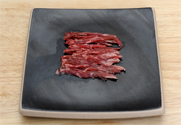
3. **Prepare Beef Garnish:** In a bowl, combine 15g beef, 5g chopped green onion, 10g minced garlic, 5g sesame oil, and 0.03g black pepper powder. Stir-fry in a pan until cooked through. Set aside.
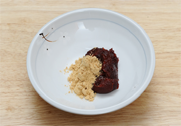
4. **Prepare Gochujang Sauce:** In a small pot, combine 20g gochujang, 20g roasted soybean powder, and 15g minced beef. Cook over low heat, stirring constantly, until the beef is cooked and the sauce thickens slightly. This nutty Gochujang is crucial for the flavor.
5. **Assemble Bibimbap:** Place 150g cooked rice in a large bowl. Artfully arrange the prepared vegetables (cucumber, carrot, bracken, shiitake, egg jidan), mung bean jelly, and beef garnish on top of the rice. Place a spoonful of the special Gochujang sauce in the center.
6. **Serve:** Drizzle with a little extra sesame oil if desired before serving. Mix everything thoroughly just before eating for the best experience.
## Mom’s Tips for Perfect Konggarubibimbap
* **Sautéing Order:** Always stir-fry light-colored vegetables before dark ones to prevent color transfer. Clean the pan or wipe it down between ingredients.
* **Texture is Key:** For the best bibimbap, ensure your vegetables are cooked until just tender-crisp, not mushy. This adds a delightful textural contrast.
* **Sauce Depth:** Cooking the Gochujang sauce with minced beef and konggaru on low heat for 5-7 minutes deepens its flavor significantly, moving beyond just raw chili paste.
## Cultural Significance
Bibimbap, including the Konggarubibimbap variation, embodies the Korean philosophy of balance and harmony, both in its ingredients and visual presentation. Traditionally, it was a practical dish for clearing out banchan (side dishes) at the end of the year or for quick, nourishing meals in the fields. The addition of roasted soybean powder in Konggarubibimbap highlights a regional preference for earthy, nutty flavors, often associated with healthier, more rustic fare.
## Frequently Asked Questions (FAQ)
**Q: What is Konggarubibimbap?**
A: Konggarubibimbap is a traditional Korean mixed rice dish featuring a medley of sautéed vegetables, beef, and a special Gochujang sauce enriched with nutty roasted soybean powder (konggaru).
**Q: Can I make Konggarubibimbap vegetarian?**
A: Yes, you can easily make it vegetarian by omitting the beef and replacing the beef in the Gochujang sauce with extra mushrooms or tofu for protein, adjusting seasonings as needed.
📸 Recipe Gallery
📺 For reference, here’s a recommended YouTube video related to “콩가루비빔밥”.
📹 Video sourced via YouTube. All rights belong to the respective creator.