Why Tomatoseupeupaseuta Is Korea’s Soul Food: Full Recipe, Nutrition & Cultural History
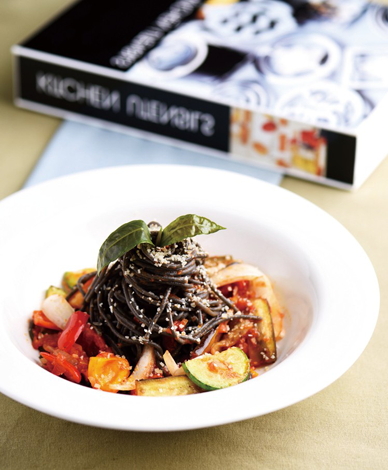
🇰🇷 The recipe below is based on official Korean MFDS (Ministry of Food and Drug Safety) data.
### Mom’s Expert Tips for Perfect
* **Tip 1: Deep Flavor Base:** Simmer the tomato soup mixture for at least 15-20 minutes after adding tomatoes. This crucial step allows the flavors to truly meld and deepen, creating a richer, more complex broth. Don’t rush it!
* **Tip 2: Al Dente Pasta:** Squid ink pasta (or any pasta) cooks quickly. Aim for a firm, al dente texture as it will continue to cook slightly when added to the hot soup. Overcooked pasta can become mushy.
* **Tip 3: Salt to Taste:** Tomatoes and cheese already contribute natural savoriness. Add glasswort salt (or regular salt) gradually and adjust at the very end to prevent over-salting.
### The Story Behind
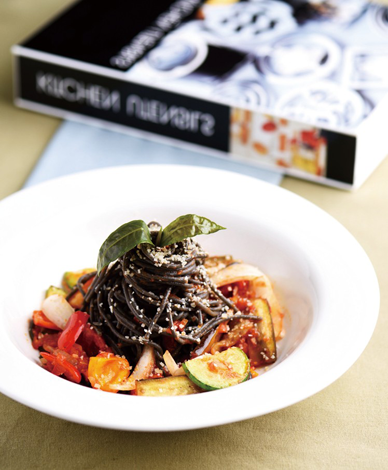
What is Tomatosupeu Pasta (Tomato Soup Pasta)? This delightful Korean fusion dish expertly marries the comforting tang of a robust tomato soup with the satisfying bite of pasta, making it a beloved choice in Korean cuisine. While pasta’s origins are Italian, its creative integration into hearty, soup-based meals has become a popular culinary trend across Korea, offering a warm and fulfilling experience. This recipe provides an authentic recipe, highlighting fresh ingredients for a deeply flavorful meal that resonates with both traditional and modern palates.
### Nutritional Information (Per Serving)
This guide is based on official MFDS (Ministry of Food and Drug Safety) data, ensuring accurate nutritional insights for a single serving of .
* **Calories:** 282.6 kcal
* **Carbohydrates:** 27.8g
* **Protein:** 10.8g
* **Fat:** 14.8g
* **Sodium:** 290.7mg
### Essential Ingredients (Serves 1)
This recipe emphasizes fresh, quality ingredients for the best flavor.
* **For the Tomato Soup Base:**
* Whole Tomatoes : 200g (canned, peeled, crushed)
* Fresh Tomato : 100g (diced)
* Minced Onion : 30g
* Minced Garlic : 20g
* Olive Oil : 30g
* Glasswort Salt : 1g (substitute with fine sea salt)
* **For the Pasta & Garnish:**
* Squid Ink Pasta : 25g (or preferred spaghetti/linguine)
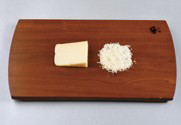
* Cheese : 25g (grated Parmesan or mozzarella)
* Parsley Powder : 1g (for garnish)
* **Side Vegetables :**
* Onion : 20g (sliced)
* Eggplant : 20g (diced)
* Two-Color Paprika (2): 20g (sliced)
* Korean Zucchini : 20g (diced, or regular zucchini)
### How to Prepare: A Step-by-Step Guide
1. **Prep Vegetables:** Dice fresh tomato, mince onion, and mince garlic for the soup base. For side vegetables, slice onion, dice eggplant, paprika, and Korean zucchini.
2. **Sauté Aromatics:** In a medium pot, heat olive oil over medium heat. Add minced onion and minced garlic, sautéing until fragrant and translucent, about 3-4 minutes.
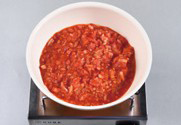
3. **Craft Soup Base:** Incorporate whole tomatoes (crushed) and diced fresh tomato. Stir well, add glasswort salt. Bring to a simmer, then reduce heat and cook for 10-15 minutes, stirring occasionally to prevent sticking and allow flavors to concentrate.
4. **Cook Pasta & Sauté Sides:** While the soup simmers, cook squid ink pasta according to package instructions until al dente. Separately, in a small pan, quickly sauté the prepared side vegetables (onion, eggplant, paprika, zucchini) with a drizzle of olive oil until tender-crisp.
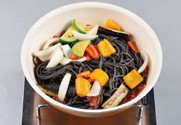
5. **Combine & Serve:** Drain cooked pasta and add it directly to the simmering tomato soup, tossing gently to coat. Ladle the warm into a serving bowl. Garnish generously with grated cheese, the sautéed side vegetables, and a final sprinkle of parsley powder. Serve immediately for an authentic Korean food experience.
### Frequently Asked Questions
* **Q: Can I customize the spice level of ?**
* A: This recipe is traditionally mild. For a spicy kick, consider adding a pinch of gochugaru (Korean chili flakes) or a dash of your preferred hot sauce to the soup base during simmering.
* **Q: What if I don’t have squid ink pasta?**
* A: No problem! While squid ink pasta adds a distinct color and subtle oceanic note, you can easily substitute it with regular spaghetti, linguine, or any other pasta shape you enjoy.
📸 Recipe Gallery
📺 For reference, here’s a recommended YouTube video related to “”.
📹 Video sourced via YouTube. All rights belong to the respective creator.