Unlock the Secret of Maesildongchimi: Authentic Flavors from South Korea’s MFDS Data
🇰🇷 The recipe below is based on official Korean MFDS (Ministry of Food and Drug Safety) data.
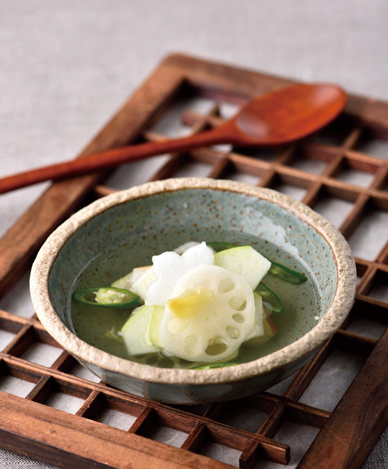
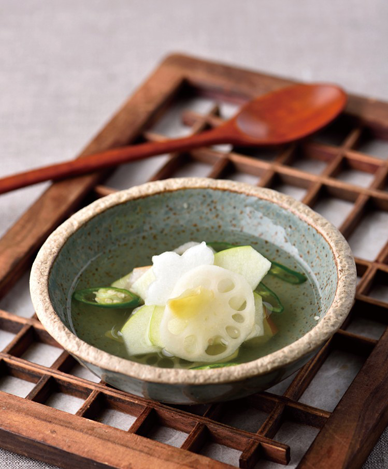
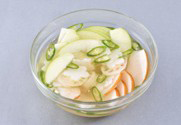
Learn how to make Maesildongchimi (Plum Water Kimchi), a refreshing, sweet, and tangy traditional Korean clear kimchi. This guide, based on official MFDS (Ministry of Food and Drug Safety) data, offers a reliable Maesildongchimi recipe perfect for palate cleansing and digestion. It’s a wonderful, authentic Korean food.
History & Significance
Dongchimi, a clear, brine-based kimchi, traditionally sustained Koreans through winter. Maesildongchimi is a vibrant variation, using maesil (Korean green plum) extract. This imparts unique sweetness and digestive benefits, making it a beloved, refreshing side dish popular year-round, especially after rich meals. Its crisp texture and bright flavor are truly distinctive.
Maesildongchimi Recipe: Ingredients (Based on MFDS Data)
This recipe is meticulously compiled using official MFDS data.
**Solids:**
* Korean Radish (Mu): 50g
* Lotus Root (Yeongeun): 25g
* Apple (Sagwa): 25g
* Nashi Pear (Bae): 30g
* Hamcho-sogeum (Seaweed Salt): 2g (substitute with fine sea salt)
**Brine:**
* Maesil-cheong (Plum Extract Syrup): 30g
* Saenggang-cheong (Ginger Syrup): 15g
* Hamcho-sogeum (Seaweed Salt): 1g (substitute with fine sea salt)
* Cheongyang-gochu (Korean Green Chili): 10g (adjust for heat preference)
Step-by-Step Preparation
1. **Prepare Solids:** Wash and thinly slice the Korean radish, lotus root, apple, and nashi pear. Aim for uniform thickness. Toss them gently with 2g of hamcho-sogeum and set aside for 15 minutes.
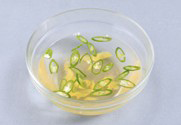
2. **Mix Brine:** In a large bowl, combine maesil-cheong, saenggang-cheong, and 1g of hamcho-sogeum. Finely slice the cheongyang-gochu and add it to the brine mixture. Stir well until the salt dissolves completely.
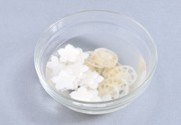
3. **Combine & Ferment:** Add the salted solids into the brine. Ensure all ingredients are submerged. Transfer the mixture to a clean container, cover tightly, and let it ferment at room temperature (around 20-25°C) for 1-2 days. Then, refrigerate for at least 3-5 days to allow flavors to fully meld.
4. **Serve Chilled:** Maesildongchimi is best served very cold. Spoon into individual bowls, ensuring each serving gets a good mix of fruit and vegetable solids along with the refreshing brine.
Nutrition Facts (per serving, based on MFDS data)
* Calories: 76.8 kcal
* Carbohydrates: 19.3 g
* Protein: 1.3 g
* Fat: 0.4 g
* Sugars: 16.7 g
* Sodium: 268.4 mg
Cook’s Notes for Maesildongchimi
* **Quality:** Use crisp radish and ripe fruits. The quality of your maesil-cheong and saenggang-cheong is crucial for the best flavor outcome.
* **Balance:** Always taste your brine before adding solids. Adjust maesil-cheong for desired sweetness and cheongyang-gochu for a subtle spicy kick.
* **Patience:** Don’t rush the fermentation process. The true depth of flavor develops during the refrigerated aging, allowing the ingredients to harmonize beautifully.
Frequently Asked Questions (FAQ)
**Q: Can I use regular white radish instead of Korean radish?**
A: While Korean radish (mu) is preferred for its crisp texture and slightly peppery notes, a daikon radish can be used as a substitute, though the texture and flavor profile will differ slightly.
**Q: How long can Maesildongchimi be stored?**
A: Properly refrigerated, Maesildongchimi can be stored for up to 2-3 weeks. Its flavor will continue to deepen over time, but it’s often best enjoyed within the first week for optimal freshness and crunch.
📸 Recipe Gallery
📺 For reference, here’s a recommended YouTube video related to “매실동치미”.
📹 Video sourced via YouTube. All rights belong to the respective creator.