How to Make Perfect Miyeokjeonbokjuk: Traditional Korean Recipe with Nutrition Facts
🇰🇷 The recipe below is based on official Korean MFDS (Ministry of Food and Drug Safety) data.
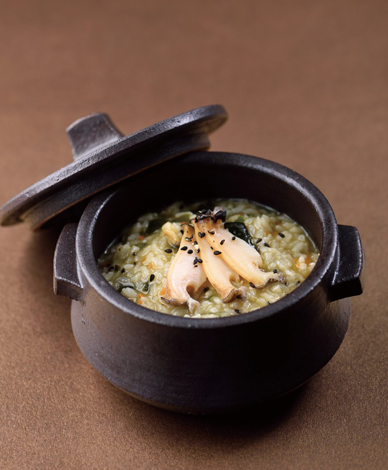
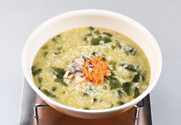
This guide is based on official MFDS (Ministry of Food and Drug Safety) data, ensuring an authentic approach to creating Miyeokjeonbokjuk (Abalone and Seaweed Porridge). This traditional Korean delicacy, renowned for its rich flavor and nutritional benefits, is often prepared for special occasions, recovery meals, or simply as a comforting dish. In this comprehensive Miyeokjeonbokjuk recipe, you’ll learn how to make this heartwarming porridge, understand its cultural roots, and master the techniques for a perfectly creamy, flavorful bowl. We’ll cover everything from ingredient selection to expert cooking tips, allowing you to confidently prepare this beloved Korean food.
Nutrition Facts
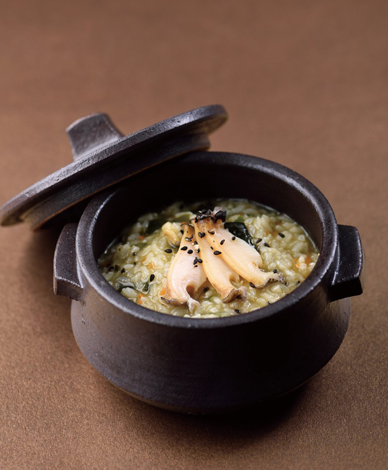
Based on official MFDS data for a single serving, Miyeokjeonbokjuk provides approximately 247.9 kcal. This wholesome dish is packed with essential nutrients from abalone and seaweed, making it a popular choice for boosting vitality and aiding recovery. Its balanced profile contributes to overall well-being.
History and Cultural Significance
Miyeokjeonbokjuk holds a special place in Korean culinary tradition, particularly in coastal regions where fresh abalone is abundant. Historically, this porridge was a luxury dish reserved for royalty or served to new mothers, the elderly, and the sick due to its perceived restorative properties. It symbolizes care and good health, often prepared for birthdays or when someone needs a boost of energy. The combination of nutrient-dense abalone and miyeok (seaweed), a staple in Korean cuisine, creates a dish steeped in cultural heritage and medicinal belief.
Essential Ingredients for Miyeokjeonbokjuk
Achieving the perfect texture and flavor for this authentic Korean dish relies on high-quality ingredients.
* Jeonbok (Abalone): 100g, cleaned and thinly sliced
* Chapssal (Glutinous Rice): 70g, soaked in water for 30 minutes
* Danggeun (Carrot): 25g, finely diced
* Dashima (Dried Kelp): One 10x10cm square, for broth
* Geonjo Jareun Miyeok (Dried Cut Seaweed): 3g, soaked in water for 10 minutes, then squeezed dry and chopped
* Chamgireum (Sesame Oil): 15g (approximately 1 tablespoon)
* Geomjeongkkae (Black Sesame Seeds): 5g, for garnish
* Water/Broth: 800ml (filtered water or light vegetable/kelp broth)
* Salt: To taste
Chef’s Tips for Perfect Miyeokjeonbokjuk
1. **Abalone Preparation is Key:** For optimal flavor, remove the abalone from its shell, clean the intestines (the greenish-black part), and reserve them. Sautéing the intestines with the abalone and rice adds a deeper, richer umami.
2. **Soak Your Rice:** Soaking the glutinous rice for at least 30 minutes significantly reduces cooking time and results in a smoother, creamier porridge texture.
3. **Broth Matters:** While water works, using a simple Dashima broth (kelp broth) infused during the cooking process or prepared beforehand will elevate the depth of flavor in your Miyeokjeonbokjuk considerably.
How to Make Authentic Miyeokjeonbokjuk
Follow these steps for a traditional and delicious Miyeokjeonbokjuk.
1. **Prepare Abalone and Rice:** Clean the abalone thoroughly. Separate the meat from the shell, remove the teeth, and thinly slice. If using, finely chop the abalone intestines. Drain the soaked glutinous rice.
2. **Sauté Abalone and Rice:** Heat 1 tablespoon of Chamgireum in a pot over medium heat. Add the sliced abalone (and chopped intestines if using) and the drained glutinous rice. Sauté for 3-4 minutes until the rice becomes slightly translucent.
3. **Simmer the Porridge:** Add the 800ml water/broth and the Dashima square to the pot. Bring to a boil, then reduce heat to low. Add the diced carrots. Simmer, stirring occasionally to prevent sticking, for 25-30 minutes, or until the rice grains have softened and the porridge reaches a thick consistency.
4. **Add Seaweed:** Once the porridge is nearly done, stir in the soaked and chopped Miyeok. Continue to simmer for another 5-7 minutes, allowing the seaweed to fully integrate and soften. Remove the Dashima square.
5. **Season and Serve:** Season the Miyeokjeonbokjuk with salt to taste. Ladle into serving bowls, garnish with Geomjeongkkae, and a drizzle of fresh Chamgireum if desired. Serve immediately.
Frequently Asked Questions (FAQ)
**Q: Can I use fresh abalone instead of frozen?**
A: Absolutely, fresh abalone is ideal and will provide the best flavor. Ensure it is cleaned thoroughly as described in the steps.
**Q: What if I don’t have glutinous rice? Can I use regular short-grain rice?**
A: While glutinous rice offers a uniquely creamy texture, you can substitute it with regular short-grain rice. The porridge might have a slightly different consistency but will still be delicious. You may need to adjust the soaking time slightly.
📸 Recipe Gallery
📺 For reference, here’s a recommended YouTube video related to “미역전복죽”.
📹 Video sourced via YouTube. All rights belong to the respective creator.