How to Make Perfect Mudaehamuchim: Traditional Korean Recipe with Nutrition Facts
🇰🇷 The recipe below is based on official Korean MFDS (Ministry of Food and Drug Safety) data.
This guide is based on official MFDS (Ministry of Food and Drug Safety) data, ensuring an authentic and trustworthy approach to traditional Korean cuisine. You’ll learn how to make Mudaehamuchim (Radish and Shrimp Salad), a refreshing and flavorful banchan perfect for any meal. This recipe offers precise measurements and expert tips to help you recreate this beloved dish at home.
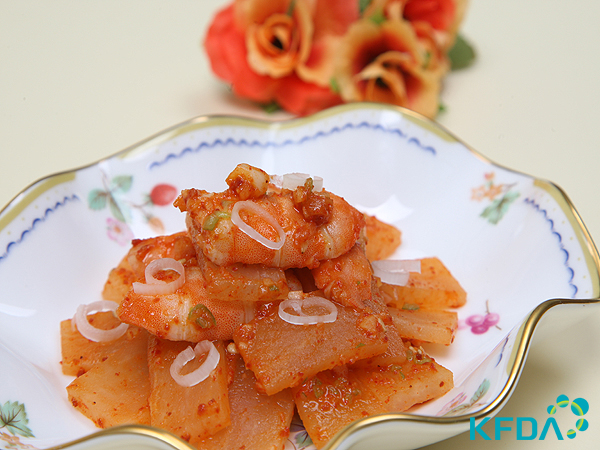
History of Mudaehamuchim
Mudaehamuchim is a traditional Korean side dish, or banchan, cherished for its vibrant freshness and simplicity. Rooted in Korean culinary heritage, muchim dishes are typically vegetable or seafood salads seasoned with various dressings. This particular rendition, featuring crisp radish and succulent shrimp, embodies the balance of flavors and textures characteristic of authentic Korean food, often served during warmer months or as a palate cleanser.
Ingredients for Authentic Mudaehamuchim
This recipe yields a single serving. For more servings, simply multiply the ingredient quantities.
* White Radish (Mu): 40g (e.g., Korean radish or daikon)
* Shrimp (Daeha): 30g (fresh or thawed, peeled and deveined)
* Green Onion (Pa): 3g, finely chopped
* Minced Garlic: 3g
* Gochugaru (Korean Chili Flakes): 2g (adjust to taste for spiciness)
* Soy Sauce: 2g
* Sugar: 1g
* Sesame Oil: 2g
* Toasted Sesame Seeds (Tongkkae): 0.2g, for garnish
Cooking Steps
1. **Prepare the Radish:** Wash the radish thoroughly. Slice it thinly, then julienne into small strips approximately 3-4 cm long. This thin cut helps the radish absorb the dressing effectively and contributes to a delicate texture.
2. **Cook the Shrimp:** Lightly blanch the peeled and deveined shrimp in boiling water for 1-2 minutes until they turn pink and opaque. Drain immediately and let them cool. Cut larger shrimp into bite-sized pieces if desired.
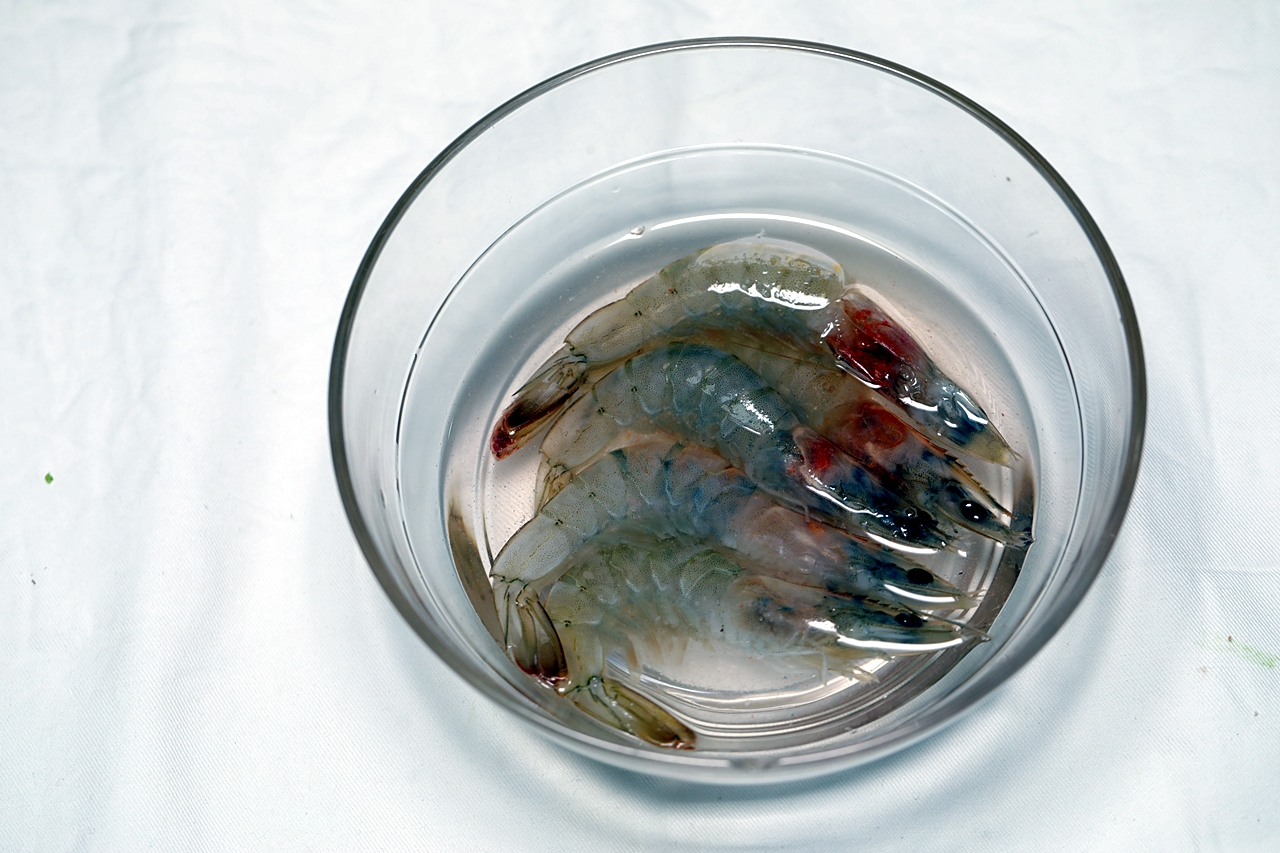
3. **Make the Dressing:** In a small mixing bowl, combine the finely chopped green onion, minced garlic, gochugaru, soy sauce, sugar, and sesame oil. Mix thoroughly until all ingredients are well incorporated and the sugar has dissolved.
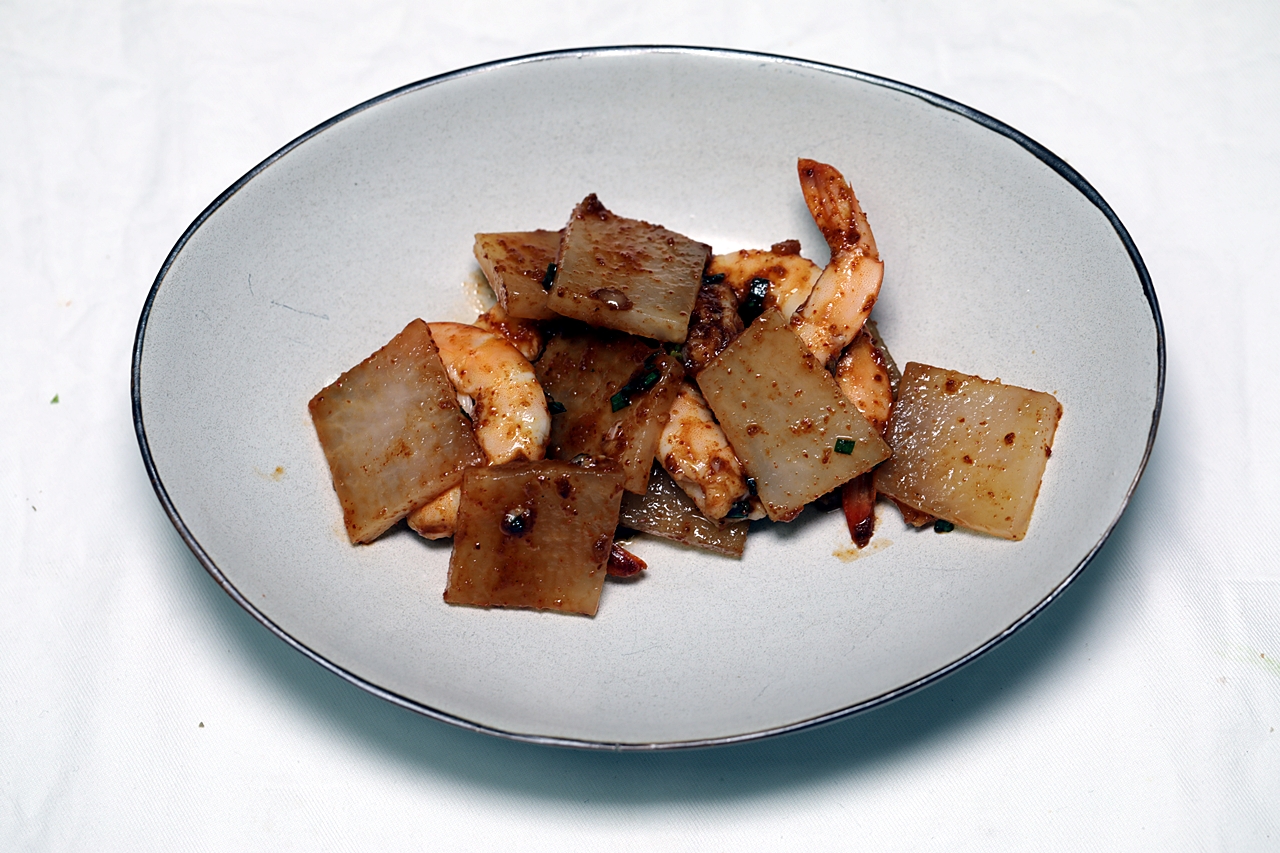
4. **Combine and Mix:** In a larger bowl, add the prepared radish strips and cooked shrimp. Pour the dressing over the ingredients. Gently toss everything together using your hands or tongs, ensuring that the radish and shrimp are evenly coated with the flavorful dressing.
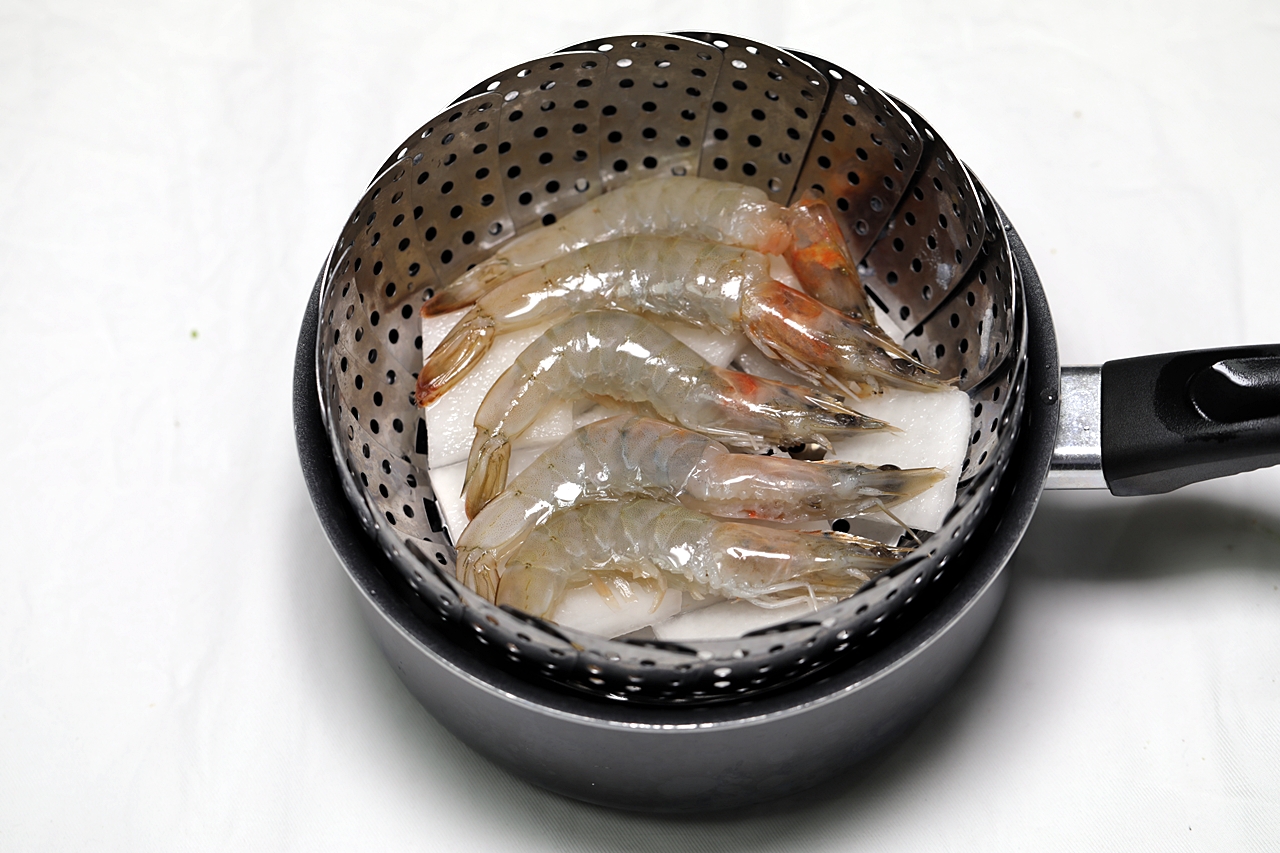
5. **Garnish and Serve:** Transfer the Mudaehamuchim to a serving plate. Sprinkle with toasted sesame seeds just before serving. Enjoy immediately as a refreshing side dish.
Nutrition Facts
Based on official MFDS data, a single serving of Mudaehamuchim prepared according to this recipe contains:
* **Calories:** 71.2 kcal
Mom’s Tips for Perfect Mudaehamuchim
* **Crispy Radish Secret:** For extra crispness, lightly salt the julienned radish for 10 minutes, then gently squeeze out excess water before mixing. This also helps reduce the strong radish flavor for those who prefer it milder.
* **Spice Level Control:** The gochugaru amount can be adjusted. If you prefer a milder salad, reduce it to 1g, or for more heat, add an extra 0.5-1g.
* **Freshness is Key:** Always use the freshest shrimp available. Frozen shrimp work well, but ensure they are properly thawed and patted dry before blanching to maintain their texture.
Frequently Asked Questions
Q: Can I prepare Mudaehamuchim in advance?
A: While best enjoyed fresh for optimal texture, you can prepare the radish and shrimp, and make the dressing separately up to a day in advance. Combine them just before serving to prevent the radish from becoming too soft.
Q: What kind of radish should I use?
A: Korean radish (mu) is ideal for its crisp texture and slightly sweet, peppery flavor. If unavailable, daikon radish is an excellent substitute, offering a similar texture and mild taste.
📸 Recipe Gallery
📺 For reference, here’s a recommended YouTube video related to “무대하무침”.
📹 Video sourced via YouTube. All rights belong to the respective creator.