How to Make Perfect Mukgyebap: Traditional Korean Recipe with Nutrition Facts

🇰🇷 The recipe below is based on official Korean MFDS (Ministry of Food and Drug Safety) data.
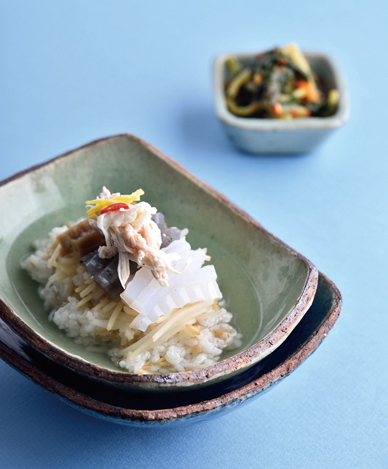
This guide is based on official MFDS (Ministry of Food and Drug Safety) data, ensuring accurate and reliable information for creating an authentic Mukgyebap recipe. Mukgyebap (Korean Mixed Grain and Jelly Rice) is a traditional Korean dish featuring various types of muk (Korean jelly) served over oat rice with a savory broth and fresh vegetables. This comprehensive guide will walk you through how to make Mukgyebap, providing detailed steps, ingredient lists, and nutritional insights. It’s a wonderfully balanced and nutritious meal, often enjoyed for its light yet satisfying qualities and its unique combination of textures.
## History and Cultural Significance of Mukgyebap
Mukgyebap, while perhaps not as globally recognized as Bibimbap or Bulgogi, holds a cherished place in traditional Korean cuisine, particularly for those seeking lighter, healthier options. The dish exemplifies the Korean philosophy of harmonious eating, bringing together diverse textures and subtle, clean flavors. The inclusion of various muks, such as Dotorimuk (acorn jelly) and Olbangaemuk (water chestnut jelly), reflects a long-standing culinary practice of utilizing natural starches derived from forest ingredients. This method of preparation dates back centuries, showcasing ingenuity in creating filling yet low-calorie staples. It’s a dish often associated with a sense of purity and well-being, commonly prepared in homes as a wholesome meal.
## Ingredients for Authentic Mukgyebap
To prepare this nourishing dish, you’ll need the following ingredients, precisely measured based on MFDS recommendations for a single serving:
* **Muk (Korean Jellies):**
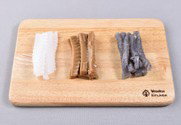
* Dotorimuk (Acorn Jelly): 25g, diced or thinly sliced
* Olbangaemuk (Water Chestnut Jelly): 25g, diced or thinly sliced
* Geomjeongkkaemuk (Black Sesame Jelly): 25g, diced or thinly sliced
* *Substitute Tip:* If these specific muks are unavailable, a larger quantity of Dotorimuk or even a firm plain agar-agar jelly can be used, though the distinct flavors will differ.
* **Base:**
* Gwiri Bap (Cooked Oat Rice): 150g
* **Toppings:**
* Gyeran (Egg): 55g (approximately 1 large egg, prepared as jidan or scrambled)
* Kongnamul (Bean Sprouts): 30g, blanched
* **Broth:**
* Dalgaseumsal (Chicken Breast): 70g
* Maneul (Garlic): 10g (roughly 2-3 cloves, minced)
* Daepa (Green Onion): 10g (white part, roughly chopped)
* Yangpa (Onion): 15g (sliced)
* Matganjang (Seasoned Soy Sauce): 15g
* Hui Huchu (White Pepper): 1g
* Beoseot Maneul Sogeum (Mushroom Garlic Salt): 2g
## Step-by-Step Mukgyebap Recipe
Follow these clear and precise instructions to craft a perfect bowl of Mukgyebap:
1. **Prepare the Broth Base:** In a medium pot, combine the chicken breast, minced garlic, chopped green onion (white part), and sliced onion with approximately 500ml of water. Bring the mixture to a rolling boil over medium-high heat, then immediately reduce the heat to a gentle simmer. Cook for about 20-25 minutes, or until the chicken breast is thoroughly cooked and fork-tender. This slow simmer helps extract maximum flavor.
2. **Refine Broth and Shred Chicken:** Carefully remove the cooked chicken breast from the pot. Once cool enough to handle, shred the chicken finely. Strain the broth through a fine-mesh sieve into a clean pot to remove all solids, resulting in a clear and aromatic liquid. Return the strained broth to low heat and season it with Matganjang, white pepper, and mushroom garlic salt. Taste and adjust seasoning as needed. Keep the broth warm.
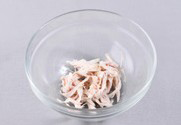
3. **Prepare Toppings:**
* **Egg:** Whisk the 55g egg. For a traditional presentation, cook a thin egg crepe (jidan) and julienne it. Alternatively, lightly scramble the egg.
* **Bean Sprouts:** Bring a small pot of water to a boil. Add the 30g of bean sprouts and blanch for 1-2 minutes until they are tender-crisp. Drain immediately and rinse with cold water to stop the cooking process and maintain their crunch.
* **Muk Jellies:** Slice the Dotorimuk, Olbangaemuk, and Geomjeongkkaemuk into elegant, thin, bite-sized strips or small cubes.
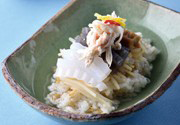
4. **Assemble Mukgyebap:** In a deep individual serving bowl, evenly place the 150g of warm, cooked oat rice at the bottom. Artfully arrange the sliced muks, shredded chicken, prepared egg strips, and blanched bean sprouts over the rice. Aim for an appealing visual balance of colors and textures.
5. **Serve:** Gently pour the hot, seasoned broth over the assembled ingredients. Serve your fresh Mukgyebap immediately to enjoy the warmth and blend of flavors.
## Nutrition Facts (per serving)
Based on official MFDS data, one serving of this authentic Mukgyebap provides the following nutritional values:
* **Calories:** 227.9 kcal
* **Carbohydrates:** 29.5 g
* **Protein:** 15.6 g
* **Fat:** 5.7 g
* **Sugars:** 1.1 g
* **Sodium:** 374.9 mg
## Mom’s Tips for Perfect Mukgyebap
* **Optimal Muk Texture:** To ensure the muks maintain their delightful, slightly firm yet jiggly texture, slice them thinly right before assembly. Pre-slicing too early can cause them to dry out or become overly soft when exposed to air.
* **Broth Depth of Flavor:** The broth is the heart of Mukgyebap. Do not rush the simmering process; a gentle, slow cook of the chicken and aromatics is essential for a deep, comforting flavor profile. Adjust seasoning gradually to achieve a perfectly balanced savory taste.
* **Rice Variety:** While oat rice (Gwiri Bap) is traditionally used and offers a wonderful chewy texture and nutritional boost, feel free to experiment with other healthy grains like multi-grain rice or even brown rice if oat rice is unavailable. This will, however, slightly alter the dish’s original nutritional content and texture.
## Frequently Asked Questions
**Q: What exactly is Mukgyebap?**
A: Mukgyebap is a traditional and wholesome Korean dish that features various types of Korean jellies (muk), such as acorn and water chestnut jelly, served over a bed of oat rice, all bathed in a warm, savory chicken or vegetable broth, and topped with fresh ingredients like eggs and bean sprouts. It is celebrated for its balanced nutrition and delicate flavors.
**Q: Can I adapt this Mukgyebap recipe for a vegetarian diet?**
A: Absolutely! To prepare a delicious vegetarian version of Mukgyebap, simply replace the chicken breast in the broth with a combination of umami-rich vegetables like dried shiitake mushrooms, kombu (dried kelp), and sliced radish. Simmer these ingredients to create a flavorful vegetable broth. Ensure your seasoned soy sauce (Matganjang) is also vegetarian-friendly.
📸 Recipe Gallery
📺 For reference, here’s a recommended YouTube video related to “묵계밥”.
📹 Video sourced via YouTube. All rights belong to the respective creator.