Unlock the Secret of Mulparaekongjeon: Authentic Flavors from South Korea’s MFDS Data

🇰🇷 The recipe below is based on official Korean MFDS (Ministry of Food and Drug Safety) data.
This comprehensive guide to Mulparaekongjeon (Green Laver and Soybean Pancake) explores an authentic Korean dish, offering a delightful blend of earthy soybeans and refreshing green laver. If you’re looking for how to make Mulparaekongjeon, this article provides precise instructions, key insights, and nutritional information to help you recreate this unique pancake at home. This guide is based on official MFDS (Ministry of Food and Drug Safety) data, ensuring accuracy in ingredient proportions and nutritional facts.
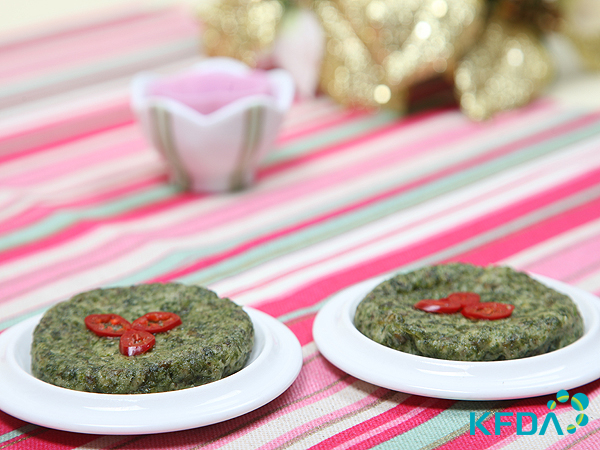
## History of Mulparaekongjeon
Korean cuisine is renowned for its diverse array of *jeon* (pancakes), which vary widely based on regional ingredients and seasonal availability. While savory pancakes made with kimchi or seafood are more common, dishes like Mulparaekongjeon highlight a tradition of utilizing lesser-known, nutritious components. Green laver (*mulparae*), a type of edible seaweed, and soybeans (*kong*) have been staples in Korean diets for centuries, celebrated for their health benefits and versatile applications. Mulparaekongjeon embodies a simple, yet ingenious culinary approach, combining these elements into a nourishing and flavorful pancake, reflecting the resourcefulness inherent in traditional Korean cooking.
## Authentic Mulparaekongjeon Ingredients
This recipe is designed for a single serving. All ingredient amounts are based on official MFDS data.
* Mulparae (Green Laver/Sea Lettuce): 5g
* Nolankong (Yellow Soybeans): 25g (52g when soaked)
* Urimilgaru (Korean Wheat Flour): 10g (All-purpose wheat flour can be substituted)
* Hyeonmiyu (Brown Rice Oil): 5g (Any neutral cooking oil like canola or vegetable oil works)
* Honggochu (Red Chili Pepper): 2g, finely minced (for garnish and slight heat)
* Mul (Water): 120g
* Ganjang (Soy Sauce): 2g (for dipping sauce)
* Pa (Green Onion): 1g, finely chopped (for dipping sauce)
* Sikcho (Vinegar): 0.5g (for dipping sauce)
* Tongkkae (Toasted Sesame Seeds): 0.2g (for dipping sauce)
## Steps to Make Mulparaekongjeon
Making this savory pancake involves simple steps, ensuring a delicious result.
1. **Prepare Soybeans:** Rinse the dry yellow soybeans thoroughly and soak them in ample water for at least 8 hours, or overnight. They should expand to approximately 52g. Drain the soaked soybeans.
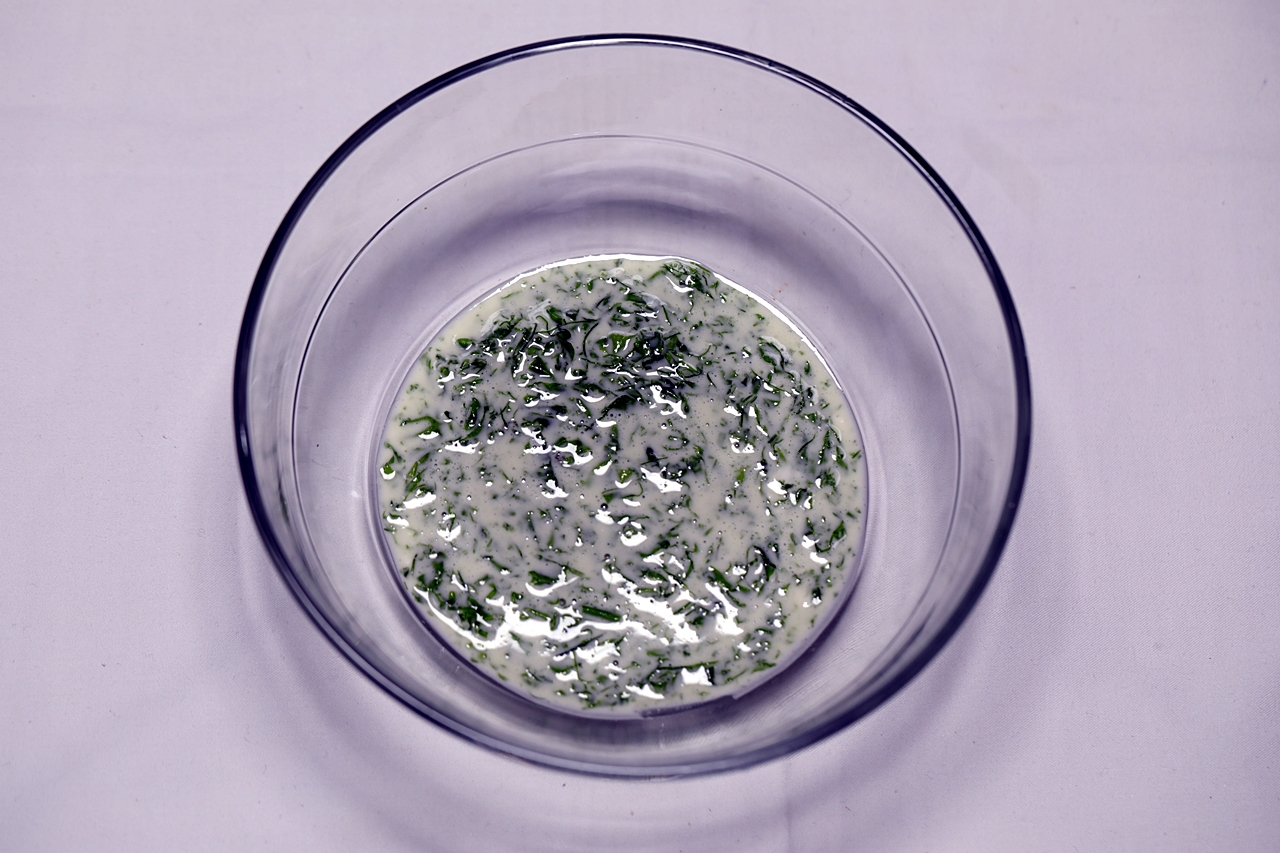
2. **Blend Batter Base:** In a blender, combine the drained soaked soybeans, green laver, and 120g of water. Blend until the mixture is smooth and creamy.
3. **Mix Batter:** Transfer the blended mixture to a mixing bowl. Add the 10g of Korean wheat flour and mix well until no lumps remain. The batter should be thick but pourable.
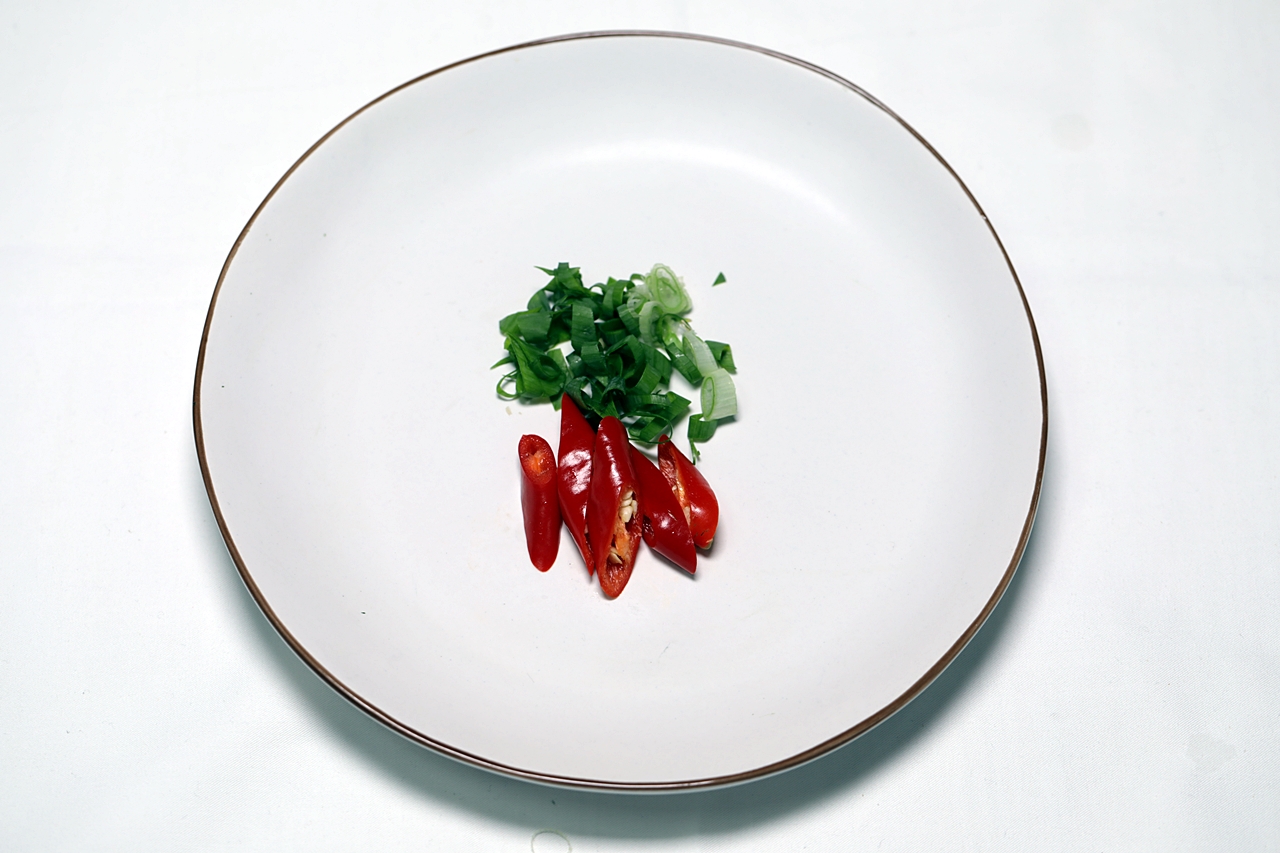
4. **Chop Garnish:** Finely mince the red chili pepper (2g). This will be used for both mixing into the batter and for a final garnish.
5. **Cook Pancakes:** Heat a non-stick pan over medium heat. Add 5g of brown rice oil. Once hot, pour a portion of the batter onto the pan to form small, round pancakes. Press a few minced red chili pieces onto the surface of each pancake.
6. **Flip and Finish:** Cook for 3-4 minutes on one side until golden brown and the edges look set. Carefully flip the pancakes and cook for another 2-3 minutes until the second side is also golden and cooked through. Repeat with the remaining batter.
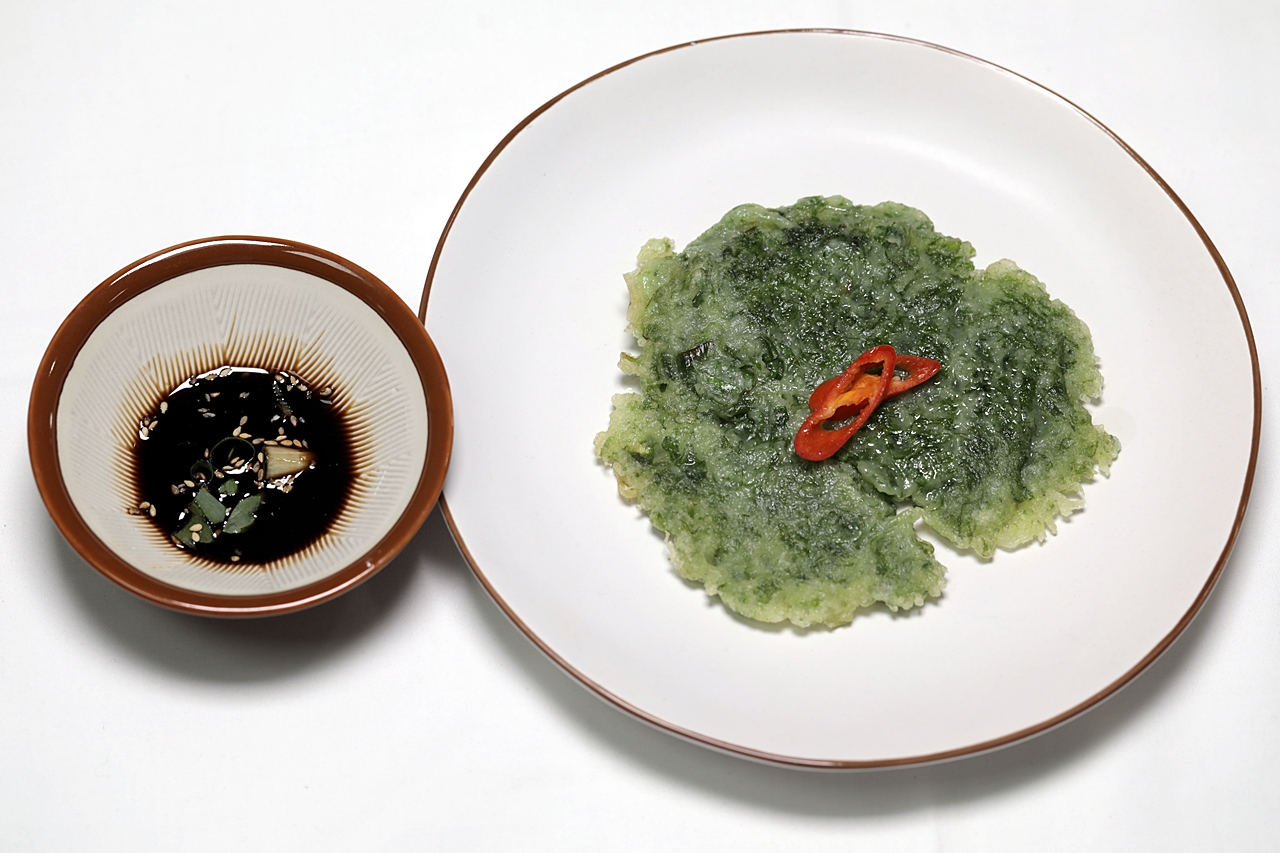
7. **Prepare Dipping Sauce:** While the pancakes cook, combine 2g soy sauce, 1g finely chopped green onion, 0.5g vinegar, and 0.2g toasted sesame seeds in a small bowl. Mix well.
8. **Serve:** Arrange the cooked Mulparaekongjeon on a serving plate. Garnish with any remaining minced red chili pepper. Serve immediately with the prepared dipping sauce.
## Nutrition Information
This nutrition information is based on official MFDS data for one serving of Mulparaekongjeon.
* **Calories:** 181.5 kcal
* **Protein:** Approximately 10g (estimated from soybean content)
* **Total Fat:** Approximately 8g (estimated from oil and soybean content)
* **Carbohydrates:** Approximately 15g (estimated from flour and soybean content)
## Mom’s Tips for Perfect Pancakes
* **Soaking Soybeans:** Don’t rush the soybean soaking process. Properly hydrated soybeans are crucial for a smooth batter and optimal texture. If you’re short on time, use warm water for soaking, which can slightly reduce the soaking duration, but never less than 4 hours.
* **Batter Consistency:** The batter should be thick enough to hold its shape but still spread easily in the pan. If it’s too thick, add a tiny bit more water, a teaspoon at a time. If it’s too thin, a pinch more flour can help.
* **Heat Control:** Medium heat is key. Too high, and the outside burns before the inside cooks; too low, and the pancakes absorb too much oil and become greasy. Listen for a gentle sizzle when the batter hits the pan.
## Cultural and Regional Significance
While Mulparaekongjeon might not be as globally recognized as kimchi jeon, it represents a segment of Korean cuisine that values wholesome, plant-based ingredients. Dishes featuring soybeans are particularly prominent in agricultural regions, providing essential protein and nutrients. The inclusion of *mulparae*, especially, points to coastal influences, where various sea vegetables are integral to the local diet. This pancake serves as a testament to the diverse and healthy ingredients deeply embedded in Korea’s culinary heritage.
## FAQ
**Q: Can I use pre-made soybean flour instead of soaking and blending whole soybeans?**
A: While possible, using pre-made soybean flour might alter the texture and flavor slightly. Soaking and blending fresh soybeans provides a creamier, richer consistency that is characteristic of authentic Mulparaekongjeon. If using flour, you might need to adjust the water content to achieve the right batter consistency.
**Q: What is the best way to store leftover Mulparaekongjeon?**
A: Leftover Mulparaekongjeon can be stored in an airtight container in the refrigerator for up to 2-3 days. Reheat gently in a lightly oiled pan or in a microwave until warmed through. For best results, it’s always recommended to consume them fresh.
📸 Recipe Gallery
📺 For reference, here’s a recommended YouTube video related to “물파래콩전”.
📹 Video sourced via YouTube. All rights belong to the respective creator.