Unlock the Secret of Pyogobeoseot Gamjajjim: Authentic Flavors from South Korea’s MFDS Data
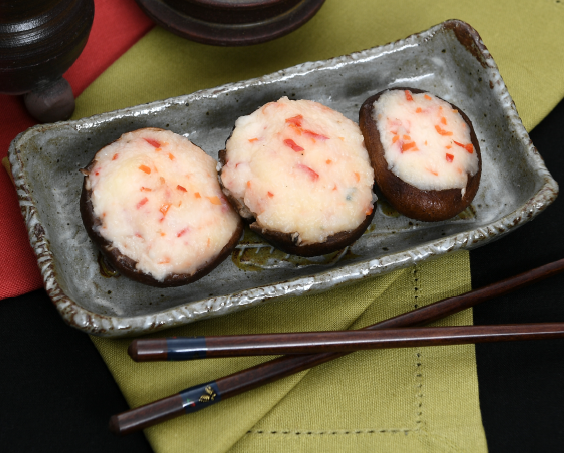
🇰🇷 The recipe below is based on official Korean MFDS (Ministry of Food and Drug Safety) data.
This guide is based on official MFDS (Ministry of Food and Drug Safety) data to provide an authentic and nutritionally informed Pyogobeoseot Gamjajjim (Shiitake Mushroom Potato Stew) recipe. If you’re looking for a comforting and wholesome Korean dish, learning how to make Pyogobeoseot Gamjajjim is a fantastic choice. This traditional stew features tender potatoes and earthy shiitake mushrooms simmered in a savory broth, perfect as a hearty side or a light main. Below, you’ll find a detailed recipe that ensures a delicious and nutritious meal.
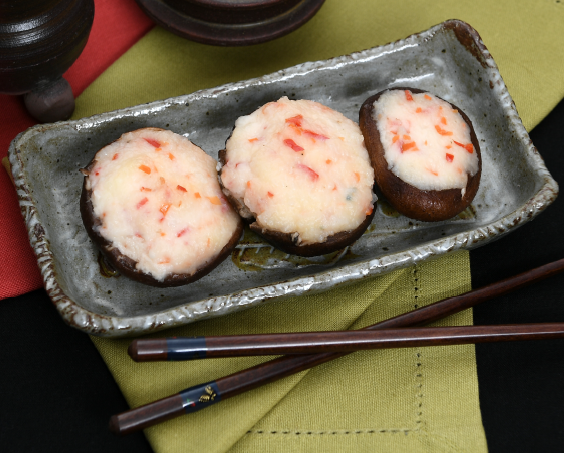
## History of Pyogobeoseot Gamjajjim
Korean stews, or *jjim*, have long been a staple in the country’s culinary tradition, celebrated for their deep flavors and comforting nature. Pyogobeoseot Gamjajjim is a testament to the simplicity and resourcefulness of Korean home cooking, using readily available seasonal vegetables like potatoes and mushrooms. Historically, dishes like this were prepared to provide warmth and sustenance, especially during colder months. It’s a classic example of *banchan* (side dish) that can easily become the star of any meal, cherished for its health benefits and satisfying texture. The combination of root vegetables and nutrient-rich mushrooms makes it a wholesome option that has endured through generations.
## Ingredients for Authentic Pyogobeoseot Gamjajjim
This recipe focuses on the core ingredients as specified by MFDS data, supplemented with essential seasonings for a balanced flavor profile.
**Main Ingredients (based on MFDS data for 1 serving):**
* **Pyogobeoseot** (Shiitake Mushrooms): 3 pieces (fresh or rehydrated dried)
* **Gamja** (Potatoes): 200g (about 1 medium-sized potato), peeled and cut into chunks
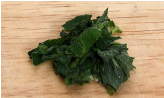
* **Gosu** (Cilantro): 10g, chopped (optional, for garnish)
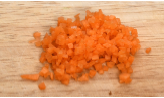
* **Danggeun** (Carrots): 30g, peeled and sliced
* **Yangpa** (Onion): 30g, sliced
* **Honggochu** (Red Chili Pepper): 1 piece, thinly sliced (for garnish and subtle heat)
* **Nokmal** (Corn Starch): 20g (for thickening the stew)
**Essential Stew Seasonings (recommended):**
* Water or vegetable broth: 300ml
* Soy sauce: 2 tbsp
* Garlic: 1 tbsp, minced
* Sesame oil: 1 tsp
* Black pepper: a pinch
* Gochugaru (Korean chili flakes): 1/2 tsp (optional, for mild spice)
## Nutrition Information (per serving)
Based on official MFDS data, this dish offers a balanced nutritional profile:
| Nutrient | Amount |
| :————– | :———– |
| Calories | 176.8 kcal |
| Carbohydrates | 38.5 g |
| Protein | 4.2 g |
| Fat | 0.8 g |
| Sodium | 520 mg |
## Cooking Steps
Follow these steps to create a delicious Pyogobeoseot Gamjajjim:
1. **Prepare Vegetables:** Peel and cut the potatoes (Gamja) into 2-3 cm chunks. Slice the shiitake mushrooms (Pyogobeoseot), carrots (Danggeun), and onion (Yangpa). Thinly slice the red chili pepper (Honggochu) for garnish.
2. **Combine Ingredients:** In a medium pot, add the potato chunks, sliced shiitake mushrooms, carrots, and onion.
3. **Prepare Sauce:** In a small bowl, whisk together the water (or broth), soy sauce, minced garlic, sesame oil, and black pepper. If using, add gochugaru. Pour this sauce mixture over the vegetables in the pot.
4. **Simmer:** Bring the pot to a boil over medium-high heat. Once boiling, reduce the heat to medium-low, cover, and simmer for 15-20 minutes, or until the potatoes are tender. Stir occasionally to prevent sticking.
5. **Thicken (Optional):** In a small bowl, dissolve the corn starch (Nokmal) in 2 tablespoons of cold water to create a slurry. Slowly pour the slurry into the simmering stew while stirring constantly until the stew thickens to your desired consistency. Cook for another 1-2 minutes.
6. **Garnish and Serve:** Ladle the Pyogobeoseot Gamjajjim into serving bowls. Garnish with chopped cilantro (Gosu) and the sliced red chili pepper (Honggochu). Serve hot with a bowl of steamed rice.
## Mom’s Tips for a Perfect Stew
* **Potato Texture:** To ensure uniformly tender potatoes without them turning mushy, cut them into similar-sized pieces. Adding them to cold water before heating helps them cook more evenly.
* **Mushroom Flavor:** If using dried shiitake mushrooms, soak them in warm water for at least 30 minutes. Don’t discard the soaking water; strain it and use it as part of your broth for an extra layer of umami flavor.
* **Seasoning Balance:** Always taste the stew before the final thickening step. Adjust the soy sauce or add a pinch of salt to suit your preference. The flavors deepen as it simmers.
## Cultural Significance
Pyogobeoseot Gamjajjim represents the heart of Korean home cooking – simple, wholesome, and deeply satisfying. It embodies the principle of using fresh, seasonal ingredients to create a nourishing meal that is both delicious and easy to prepare. Often served as a comforting stew during family gatherings or as an everyday side dish, it highlights the versatile use of common vegetables in Korean cuisine.
## FAQ
**Q: Can I make Pyogobeoseot Gamjajjim vegetarian or vegan?**
A: Yes, Pyogobeoseot Gamjajjim is inherently vegetarian and can be easily made vegan by ensuring you use vegetable broth instead of any meat-based broth. The core ingredients are all plant-based.
**Q: How long can I store leftovers?**
A: Leftover Pyogobeoseot Gamjajjim can be stored in an airtight container in the refrigerator for up to 3-4 days. It often tastes even better the next day as the flavors meld further. Reheat gently on the stovetop or in the microwave.
📸 Recipe Gallery
📺 For reference, here’s a recommended YouTube video related to “표고버섯 감자찜”.
📹 Video sourced via YouTube. All rights belong to the respective creator.