Why Rikotachijeu Kapeureje Is Korea’s Soul Food: Full Recipe, Nutrition & Cultural History
🇰🇷 The recipe below is based on official Korean MFDS (Ministry of Food and Drug Safety) data.
This guide is based on official MFDS (Ministry of Food and Drug Safety) data, ensuring a reliable and authentic approach to preparing Rikotachijeu Kapeureje (Ricotta Cheese Caprese). This delightful dish offers a fresh, light, and healthy experience, perfect for a vibrant starter or a refreshing snack. Learning how to make Rikotachijeu Kapeureje from scratch allows you to enjoy a homemade Korean twist on a classic, highlighting fresh ingredients and simple techniques.
Nutrition Facts
Based on official MFDS data for one serving:
* Calories: 222.7 kcal
* Protein: 12.5g
* Fat: 15.3g
* Carbohydrates: 9.8g
* Sodium: 105mg
This Ricotta Cheese Caprese is a good source of protein and calcium, offering a balanced nutritional profile for a light meal.
A Brief History and Cultural Adaptations
What is Rikotachijeu Kapeureje? It’s Korea’s delightful interpretation of the Italian Caprese salad, traditionally featuring mozzarella, tomatoes, and basil. In Korea, however, a popular adaptation involves creamy homemade ricotta cheese, often paired with sweet cherry tomatoes and a tangy balsamic glaze. This fusion highlights a Korean culinary appreciation for fresh dairy and vibrant salads, making it a beloved dish in cafes and home kitchens alike. While Caprese itself hails from Italy, the emphasis on fresh, often homemade, ricotta reflects a broader trend in Korean cuisine towards natural, wholesome ingredients.
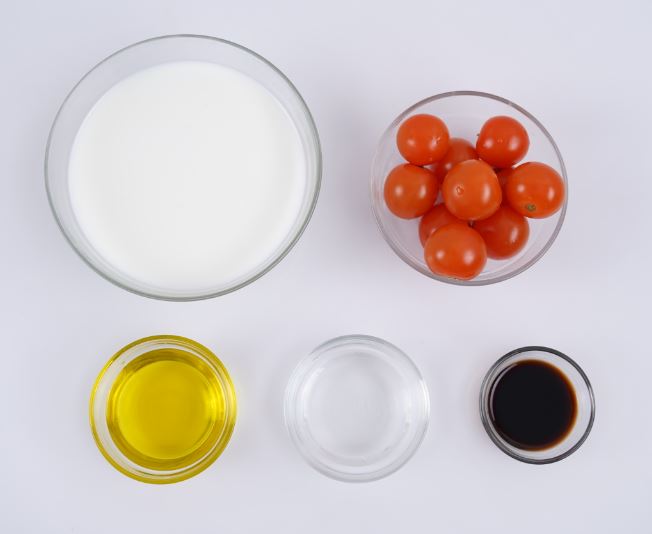
Essential Ingredients
To prepare this authentic Rikotachijeu Kapeureje, you’ll need:
* **Milk (Uyu):** 370ml (Whole milk is recommended for richer ricotta).
* **Lemon Juice (Lemon Jeup):** 20g (for ricotta).
* **Cherry Tomatoes (Bangul Tomato):** 100g, halved.
* **Balsamic Vinegar (Balsamik Sikcho):** 10g.
* **Lemon Juice (Lemon Jeup):** 1g (for dressing).
* **Olive Oil (Ollyeobyu):** 10g.
* *Optional:* Fresh basil leaves for garnish, a pinch of salt.
Mom’s Tips for Perfect Rikotachijeu Kapeureje
1. **Ricotta Texture:** Don’t rush the milk heating process. Keep the heat medium-low when making the ricotta. The milk should reach just below a boil (around 90°C / 195°F) before adding the lemon juice. Overheating can result in tough ricotta.
2. **Draining Wisdom:** Allow ample time for the ricotta to drain. At least 30 minutes, or even an hour, will yield a firmer, creamier cheese with less residual whey. This step is crucial for the perfect texture.
3. **Dressing Balance:** Taste your balsamic dressing before drizzling. Adjust the lemon juice or balsamic vinegar to your preference for a perfect sweet-tangy balance. A little salt can also enhance the flavors.
Step-by-Step Preparation
Follow these precise steps to create your own Rikotachijeu Kapeureje:
1. **Make the Ricotta:** Pour 370ml milk into a saucepan. Heat over medium-low heat until it just begins to simmer, around 90°C (195°F), but do not boil. Remove from heat and stir in 20g lemon juice. Let it sit for 10 minutes; curds will separate.
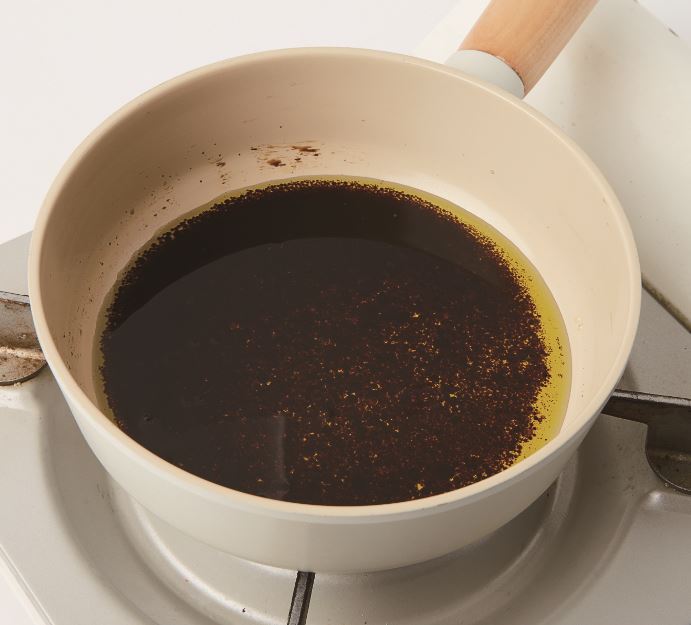
2. **Drain the Ricotta:** Line a colander with cheesecloth or a clean kitchen towel. Pour the milk mixture into the colander, allowing the whey to drain into a bowl below. Gather the cheesecloth and gently squeeze out excess liquid. Let it drain for at least 30 minutes. Transfer the homemade ricotta to a small bowl.
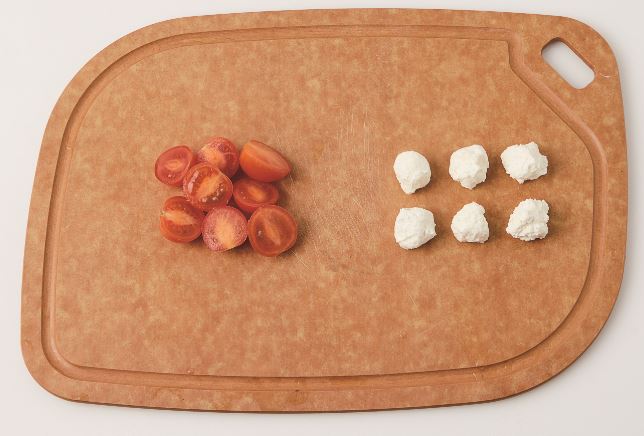
3. **Prepare Tomatoes & Dressing:** Halve 100g cherry tomatoes. In a separate small bowl, whisk together 10g balsamic vinegar, 1g lemon juice, and 10g olive oil.
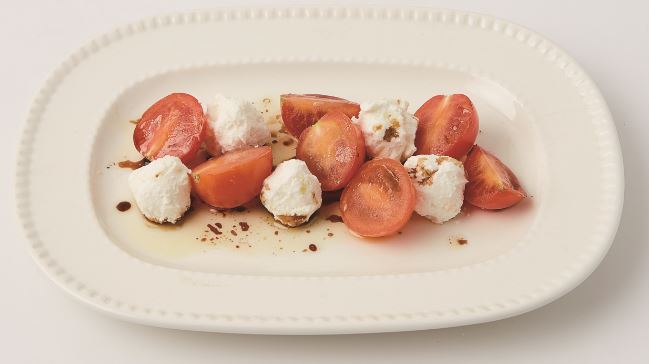
4. **Assemble:** Arrange the fresh ricotta and halved cherry tomatoes attractively on a plate. Drizzle generously with the prepared balsamic dressing.
5. **Serve:** Garnish with fresh basil leaves if desired, and a pinch of salt. Serve immediately as a refreshing appetizer or side dish.
FAQ about Rikotachijeu Kapeureje
**Q: Can I use store-bought ricotta for this recipe?**
A: Yes, you can. While homemade ricotta offers superior freshness and taste, store-bought ricotta is a convenient substitute if you’re short on time. Ensure it’s full-fat for the best texture.
**Q: How long does homemade ricotta last?**
A: Homemade ricotta cheese, when stored in an airtight container in the refrigerator, typically lasts for 3-4 days. It’s best consumed fresh for optimal flavor and texture.
📸 Recipe Gallery
📺 For reference, here’s a recommended YouTube video related to “리코타치즈 카프레제”.
📹 Video sourced via YouTube. All rights belong to the respective creator.