Saeudanbaechudoenjangguk Recipe: Everything You Need to Know About This Iconic Korean Dish

🇰🇷 The recipe below is based on official Korean MFDS (Ministry of Food and Drug Safety) data.
This guide is based on official MFDS (Ministry of Food and Drug Safety) data, ensuring an authentic and nutritionally sound approach to this classic Korean dish. If you’re looking for an authentic Saeudanbaechudoenjangguk recipe, you’ve come to the right place. This post will teach you how to make Saeudanbaechudoenjangguk, a beloved soup known for its comforting flavors and wholesome ingredients.
What is Saeudanbaechudoenjangguk?
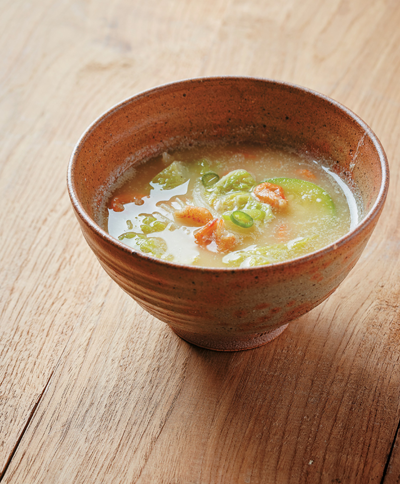
Saeudanbaechudoenjangguk (Shrimp and Sweet Napa Cabbage Doenjang Soup) is a traditional Korean soup featuring a rich doenjang (fermented soybean paste) broth, savory dried shrimp, and tender sweet napa cabbage. It’s cherished for its deeply umami flavor, often served as a comforting side dish or a light main meal, providing warmth and nutrition.
Nutrition Facts
Based on official MFDS data for this recipe, a single serving of Saeudanbaechudoenjangguk provides:
| Nutrient | Amount |
| :——– | :——— |
| Calories | 129.2 kcal |
This wholesome soup offers a balanced profile, contributing to a nutritious meal without excessive calories.
A Glimpse into Saeudanbaechudoenjangguk’s History
Korean doenjang soups are cornerstones of traditional cuisine, deeply rooted in centuries of culinary practice. Saeudanbaechudoenjangguk, in particular, reflects the ingenuity of combining readily available ingredients like fermented soybean paste, local vegetables, and seafood for flavor and nutrition. Doenjang itself dates back to the Three Kingdoms period, becoming a staple in Korean households. The addition of dried shrimp (saeu) and sweet napa cabbage (danbaechu) highlights regional variations and seasonal availability, making this soup a testament to Korea’s rich agricultural and fishing heritage. It’s a dish that embodies the wisdom of traditional Korean cooking, emphasizing natural flavors and health benefits.
Essential Ingredients
Precise measurements are key for an authentic taste. Here’s what you’ll need:
Broth ( 육수 ):
* Water: 300g
* Radish (Mu): 15g (sliced)
* Dried Anchovies (Myeolchi): 2.5g (gutted)
* Dried Kelp (Dashima): 2.5g (small piece)
Main Ingredients:
* Sweet Napa Cabbage (Danbaechu): 25g (chopped)
* Tofu (Dubu): 25g (cubed)
* Dried Shrimp (Mareun Saeu): 10g
* Korean Zucchini (Aehobak): 20g (sliced)
* Onion (Yangpa): 10g (sliced)
* Green Onion (Daepa): 5g (chopped)
* Garlic (Maneul): 0.3g (minced)
Seasoning ( 양념 ):
* Doenjang: 10g
* Shiitake Mushroom Powder (Pyogobeoseotgaru): 3g
* Roasted Soybean Powder (Nalkonggaru): 10g
Expert Cooking Tips
1. **Mom’s Tip on Broth:** Don’t boil the kelp for too long (more than 10 minutes) as it can release a bitter taste. Remove it shortly after the water boils and then continue simmering the anchovies and radish for a clean, deep broth.
2. **Flavor Deepener:** The roasted soybean powder (nalkonggaru) is crucial for a richer, slightly nutty texture and to thicken the soup naturally. Don’t skip it; it’s a signature touch.
3. **Adjusting Saltiness:** Doenjang can vary in saltiness. Always taste the soup before adding all the doenjang. You can gradually add more to reach your preferred salt level, ensuring it’s not overly salty.
How to Make Authentic Saeudanbaechudoenjangguk
Follow these steps for a delicious and comforting soup:
1. **Prepare the Broth:** In a pot, combine 300g water, 15g radish, 2.5g dried anchovies, and 2.5g dried kelp. Bring to a boil over medium-high heat. Once boiling, remove the kelp and reduce heat to a simmer. Cook for about 15 minutes until the radish softens and the broth is flavorful. Strain the broth to remove solids; set aside.
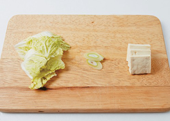
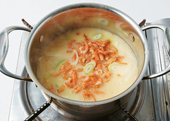
2. **Combine Ingredients:** In the strained broth, add 25g sweet napa cabbage, 25g tofu, 10g dried shrimp, 20g Korean zucchini, 10g onion, and 0.3g minced garlic. Bring to a boil.
3. **Add Seasoning:** Once the vegetables are tender, stir in 10g doenjang, 3g shiitake mushroom powder, and 10g roasted soybean powder. Mix well to ensure the doenjang dissolves completely.
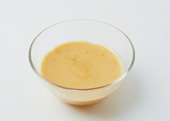
4. **Finish and Serve:** Simmer for another 5-7 minutes, allowing the flavors to meld. Stir in 5g chopped green onion just before serving.
Serve hot with a bowl of rice and other Korean side dishes.
Frequently Asked Questions
**Q: Can I use fresh shrimp instead of dried shrimp?**
A: While dried shrimp provides a unique, deep umami flavor essential to the authentic taste, you can use fresh shrimp as a substitute for a different, milder flavor profile. Adjust seasoning as fresh shrimp will contribute less inherent saltiness.
**Q: What if I don’t have Korean zucchini (aehobak)?**
A: If aehobak is unavailable, you can substitute it with regular zucchini or yellow squash. The texture will be similar, though aehobak has a slightly sweeter and firmer characteristic.
📸 Recipe Gallery
📺 For reference, here’s a recommended YouTube video related to “새우단배추된장국”.
📹 Video sourced via YouTube. All rights belong to the respective creator.