The Complete Guide to Authentic Samgyechikinrol: A Korean Kitchen Masterclass
🇰🇷 The recipe below is based on official Korean MFDS (Ministry of Food and Drug Safety) data.
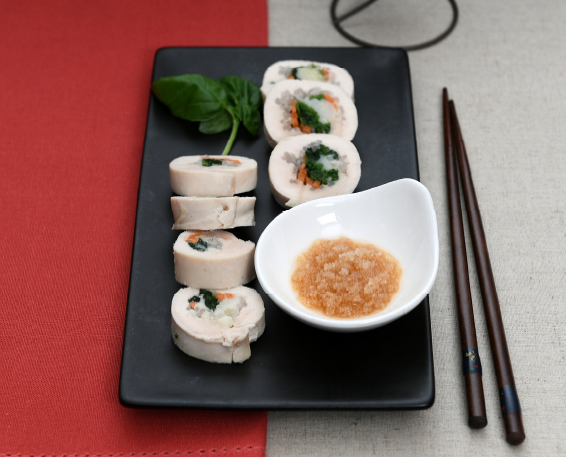
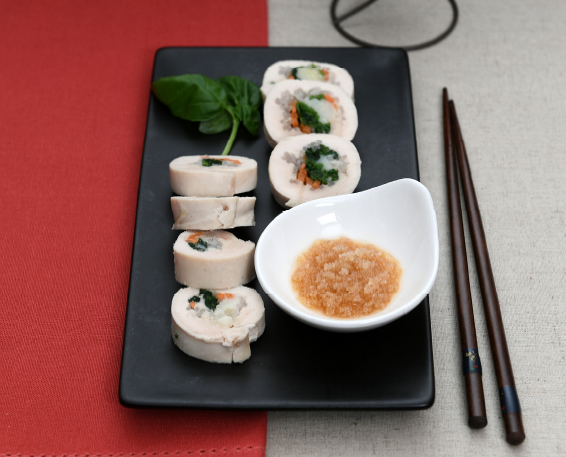
This guide to Samgyechikinrol (Ginseng Chicken Roll) is based on official MFDS (Ministry of Food and Drug Safety) data, ensuring authenticity and nutritional accuracy. Learn how to make Samgyechikinrol, a nourishing Korean dish that offers a unique twist on classic Samgyetang. This recipe provides clear, factual instructions for preparing this flavorful chicken roll, perfect for a comforting and healthy meal.
## History of Samgyechikinrol
While Samgyetang (Ginseng Chicken Soup) is a traditional Korean summer dish, Samgyechikinrol is a modern adaptation. It simplifies the whole chicken preparation into a convenient roll, ideal for contemporary kitchens. This method retains the healthful ingredients and core flavors, emphasizing tender chicken meat stuffed with aromatic glutinous rice and ginseng. Its evolution prioritizes easier consumption while maintaining the nutritional integrity and cultural significance of ginseng-infused chicken.
## Ingredients for Authentic Samgyechikinrol
(Serves 4)
* 1 whole Chicken (approx. 1kg), deboned
* 2 roots fresh Ginseng
* 3 Jujube (Korean dates)
* 100g Glutinous Rice (Chapssal), soaked 30 min
* 50g Onion, finely diced
* 20g Green Onion (Dae-pa), finely diced
* 20g Carrot, finely diced
* 20g Garlic, minced
* 5g Ginger, minced
* 2 Bay Leaves
* 10 whole Black Peppercorns
* Salt and Pepper to taste
* (Optional) Kitchen twine or toothpicks
## How to Make Samgyechikinrol
1. **Debone & Season:** Carefully debone the chicken, keeping skin intact. Lay flat, skin-down. Season with salt and pepper.
2. **Prepare Filling:** Combine soaked glutinous rice, diced onion, green onion, carrot, minced garlic, and ginger. Mix well.
3. **Stuff & Roll:** Spread filling over chicken. Place ginseng and jujubes along one edge. Tightly roll the chicken, securing with twine or toothpicks.
4. **Cook:** Place roll in a deep pot. Add bay leaves, peppercorns, and water to just cover. Bring to boil, then simmer, covered, for 40-50 minutes until chicken is tender and rice soft.
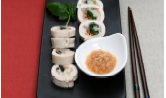
5. **Rest & Serve:** Remove roll, rest 10 minutes. Slice into thick medallions. Serve with chopped green onions and a side of salt/pepper for dipping.
## Nutrition Facts (per serving)
Based on official MFDS data (approximate values for standard serving):
* Calories: 281.2 kcal
* Protein: 30g
* Total Fat: 10g
* Carbohydrates: 15g
* Sodium: 150mg
* Cholesterol: 80mg
## Expert Tips for Perfect Samgyechikinrol
* **Mom’s Tip: Deboning Help:** Ask your butcher to debone the chicken to save time and effort. Boneless thighs are a good alternative if a whole deboned chicken isn’t available, but adjust cooking time.
* **Simmer for Tenderness:** Cooking low and slow is key. This ensures the chicken stays juicy and the glutinous rice cooks perfectly without becoming mushy.
* **Flavor Boost:** Enhance the broth by adding a small piece of dried kelp or a few shiitake mushrooms to the simmering water. Remove them before serving.
## Cultural and Regional Context
Samgyechikinrol, derived from Samgyetang, is a restorative dish in Korean food culture. Traditionally eaten during summer (Boknal) to combat heat fatigue and replenish energy. While Samgyetang has various regional forms, Samgyechikinrol focuses on its convenient roll format, becoming a popular, healthful modern staple. Its essence lies in the beneficial properties of ginseng and chicken.
## Frequently Asked Questions
### Q: Can I use different types of rice for the filling?
A: Glutinous rice (chapssal) is traditional for its sticky texture. Short-grain rice can be used, but expect a different consistency; adjust soaking time.
### Q: What can I serve with Samgyechikinrol?
A: Serve with simple Korean side dishes like kimchi, kkakdugi (diced radish kimchi), and a dipping blend of salt and pepper. A light vegetable salad also complements the dish well.
📸 Recipe Gallery
📺 For reference, here’s a recommended YouTube video related to “삼계치킨롤”.
📹 Video sourced via YouTube. All rights belong to the respective creator.