Samgyeopsalramyeon Recipe: Everything You Need to Know About This Iconic Korean Dish
🇰🇷 The recipe below is based on official Korean MFDS (Ministry of Food and Drug Safety) data.
## Samgyeopsalramyeon: The Ultimate Korean Pork Belly Ramen Recipe
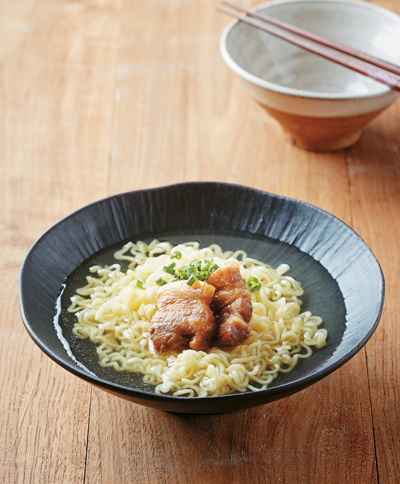
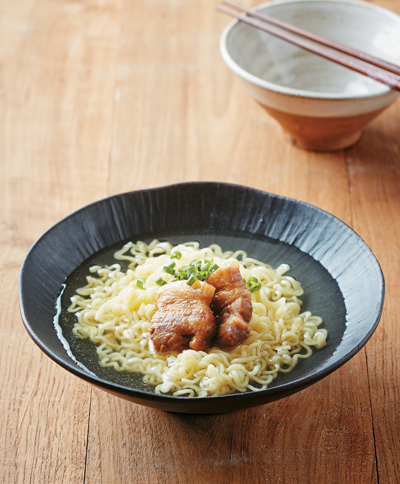
This comprehensive guide to crafting authentic Samgyeopsalramyeon is based on official MFDS (Ministry of Food and Drug Safety) data, ensuring accuracy in preparation and nutrition. Samgyeopsalramyeon (Pork Belly Ramen) is a beloved modern Korean comfort food that elevates instant ramen with savory, tender, braised pork belly and a deeply flavored broth. This article will teach you precisely how to make Samgyeopsalramyeon, transforming a simple noodle dish into a gourmet experience with exact ingredients and detailed steps, along with insightful tips and historical context. Discover why this hearty combination has become a popular staple in Korean homes and restaurants.
### Essential Ingredients for Samgyeopsalramyeon
To prepare this delightful and robust dish, gather the following fresh ingredients. The precision in measurements, as per MFDS guidelines, ensures optimal flavor and nutritional balance.
* **For the Ramen Base:**
* Ramen Noodles: 100g (one standard pack of dried noodles; seasoning packet not used for this recipe but can be saved)
* Scallions (chopped finely for garnish): 3g
* **For the Flavorful Pork Belly Broth:**
* Pork Belly (Samgyeopsal, preferably thinly sliced for faster cooking and better flavor infusion): 60g
* Green Onion (large pieces, roughly chopped): 20g
* Thinly Sliced Ginger: 5g (fresh ginger is key for aroma)
* Katsuobushi (dried bonito flakes, for umami depth): 3g
* **For the Rich Braising Sauce:**
* Low-Sodium Soy Sauce: 3g
* Mirin (sweet rice wine, essential for balancing flavors): 8g
* Brown Sugar: 3g (adds a subtle sweetness and caramelization)
### Step-by-Step Samgyeopsalramyeon Recipe
Follow these detailed steps to achieve a perfectly balanced and incredibly tasty Samgyeopsalramyeon. This method ensures both the pork and broth reach their peak flavor.
1. **Prepare the Pork Belly Broth:** In a medium-sized pot, combine the 60g pork belly, 20g roughly chopped green onion, and 5g thinly sliced ginger with approximately 300ml of water. Bring the mixture to a gentle boil over medium-high heat. Once boiling, reduce the heat to low and simmer, covered, for 15-20 minutes. The goal is for the pork belly to become remarkably tender. During this simmering process, occasionally skim off any impurities or foam that rises to the surface for a clearer broth.
2. **Craft the Braising Sauce:** While the pork is simmering, prepare your braising sauce. In a small, non-reactive bowl, whisk together 3g of low-sodium soy sauce, 8g of mirin, and 3g of brown sugar until the sugar is fully dissolved and the sauce is homogenous. Set aside.
3. **Braise the Pork:** Once the pork belly is tender, carefully remove it from the broth using tongs or a slotted spoon. Slice the cooked pork belly into bite-sized pieces, roughly 1-1.5 cm thick. Add these sliced pork pieces directly into the prepared braising sauce. Gently toss to ensure each piece is well coated. Allow the pork to marinate in the sauce for a minimum of 5 minutes to absorb the rich flavors.
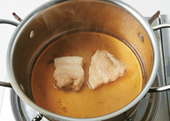
4. **Infuse the Broth with Umami:** Return your attention to the simmering pork broth. Add the 3g of katsuobushi (dried bonito flakes) to the broth. Continue to simmer for another 5 minutes over low heat, allowing the katsuobushi to impart its characteristic smoky, savory umami notes.
5. **Strain and Prepare Broth:** Carefully strain the broth through a fine-mesh sieve into another clean pot or heatproof bowl. Discard the spent katsuobushi, green onion, and ginger. You should now have a clear, deeply flavorful soup base. Keep this broth warm over very low heat.
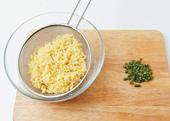
6. **Cook the Ramen Noodles:** In a separate large pot, bring plenty of water to a rolling boil. Add the 100g ramen noodles and cook according to the package instructions, typically 3-4 minutes, until they are perfectly al dente. It’s crucial not to overcook them, as they will continue to soften slightly when served with the hot broth. Drain the cooked noodles thoroughly.
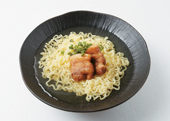
7. **Assemble and Serve:** Divide the drained ramen noodles evenly into two deep serving bowls. Carefully pour the hot, flavorful broth over the noodles. Artfully arrange the braised pork belly pieces on top of the noodles. Finally, garnish generously with the 3g of finely chopped scallions. Serve your Samgyeopsalramyeon immediately while hot for the best experience.
### History of Samgyeopsalramyeon
Samgyeopsalramyeon is a delicious embodiment of modern Korean culinary innovation. Unlike ancient traditional dishes, this pairing emerged from Korea’s vibrant food scene, reflecting a natural evolution of comfort food. Instant ramen, introduced to Korea in the 1960s, quickly became a national staple due to its affordability and convenience. Samgyeopsal, grilled pork belly, is arguably Korea’s most beloved meat dish. The fusion of these two titans of Korean cuisine, creating a richer, heartier, and more indulgent ramen, highlights the Korean talent for combining familiar elements into exciting new experiences. It’s a testament to how adaptable and creative Korean cooking can be, transforming simple ingredients into something extraordinary.
### Samgyeopsalramyeon Nutrition Facts
Based on official MFDS (Ministry of Food and Drug Safety) data, a single serving of this Samgyeopsalramyeon recipe provides the following nutritional breakdown:
| Nutrient | Amount |
| :———— | :——— |
| Calories | 525.2 kcal |
| Carbohydrates | 68.7g |
| Protein | 25.1g |
| Fat | 16.4g |
| Sodium | 1205mg |
### Mom’s Tips for Perfect Samgyeopsalramyeon
* **Pork Belly Selection:** Don’t skimp on the pork belly quality. For the most succulent and flavorful Samgyeopsalramyeon, choose fresh, good-quality samgyeopsal with a balanced ratio of lean meat to fat. This ensures tenderness in the broth and richness when braised.
* **Broth Clarity and Depth:** The secret to a superior broth lies in patience. A slow, gentle simmer for the initial pork broth extraction allows the flavors of pork, green onion, and ginger to fully meld. Skimming impurities is crucial for a clear, clean-tasting broth. Adjust salt to taste *before* adding noodles.
* **Noodle Texture Control:** Pay close attention to the ramen cooking time. Cook the noodles slightly less than fully done (al dente) as they will continue to absorb liquid and soften once combined with the hot broth. This prevents soggy noodles and maintains a satisfying chew.
### Frequently Asked Questions (FAQ)
**Q: Can I use different types of ramen noodles for Samgyeopsalramyeon?**
A: Yes, while standard instant ramen noodles (without their seasoning packet) are typical, you can experiment with fresh ramen noodles or other Asian egg noodles for a different texture. Adjust cooking times accordingly.
**Q: Is there a vegetarian alternative to Samgyeopsalramyeon?**
A: To make a vegetarian version, omit the pork belly and katsuobushi. Create a rich vegetable broth using mushrooms, kombu, and root vegetables. You could then top it with pan-fried tofu or tempeh for protein.
📸 Recipe Gallery
📺 For reference, here’s a recommended YouTube video related to “삼겹살라면”.
📹 Video sourced via YouTube. All rights belong to the respective creator.