Samsaeksogogimandu Recipe: Everything You Need to Know About This Iconic Korean Dish
🇰🇷 The recipe below is based on official Korean MFDS (Ministry of Food and Drug Safety) data.
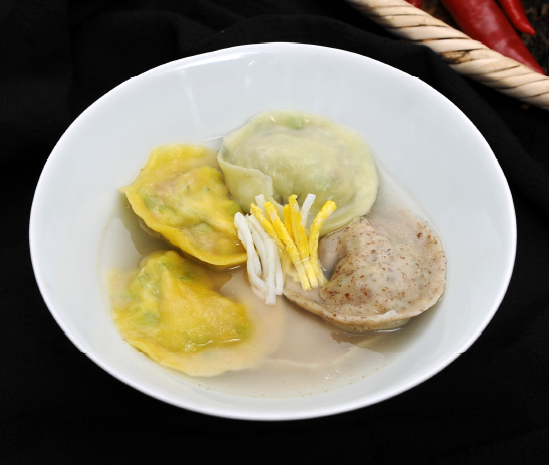
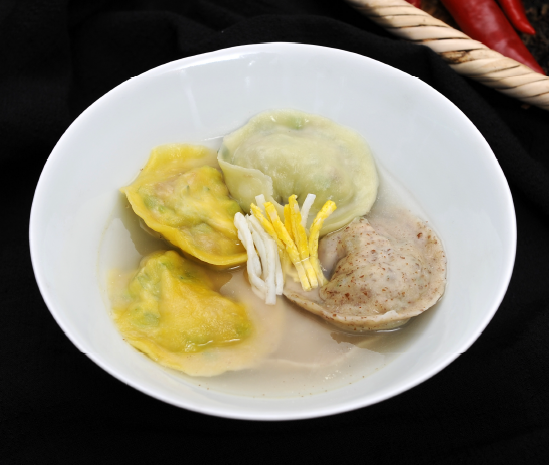
This guide is based on official MFDS (Ministry of Food and Drug Safety) data, ensuring an authentic and nutritious approach to a beloved Korean dish. Samsaeksogogimandu (Three-Color Beef Dumplings) are visually stunning and deliciously savory Korean dumplings, known for their vibrant, naturally colored wrappers and rich beef filling. This detailed recipe will teach you how to make Samsaeksogogimandu, from preparing the delicate wrappers to crafting the flavorful broth, bringing this traditional culinary experience into your home.
## Ingredients
This recipe yields approximately 4-6 servings.
**For the Dumpling Filling:**
* Ground beef (Sogogi), 50g
* Korean zucchini (Aehobak), 30g
* Korean chives (Buchu), 30g
* Mung bean sprouts (Sukju), 30g
* Tofu (Dubu), 30g (firm or extra-firm)
* Egg (Dalgyal), 50g (approx. 1 large egg)
* Minced green onion (Dajin Pa), 20g
* Minced garlic (Dajin Maneul), 10g
* Salt, 0.5g
* Sesame oil (Chamgireum), 5g
* Black pepper (Huchutgaru), 0.03g
* Perilla seed powder (Deulkkae Garu), 30g (for filling)
**For the Three-Color Dumpling Wrappers (Mandupi):**
* Wheat flour (Milgaru), 200g
* Starch powder (Nokmal Garu), 20g (cornstarch or tapioca starch)
* Salt, 0.5g
* Spinach (Sigeumchi), 30g (for green color)
* Carrot (Danggeun), 30g (for orange color)
* Water, 60-80ml (divided, for dough)
**For the Broth (Yuksu):**
* Onion (Yangpa), 20g
* Kelp (Dasima), 10g
* Dried shrimp (Geonsaewu), 10g
* Dried anchovies (Geonmyeolchi), 20g
* Water, 1 liter (approx.)
## Steps to Make Samsaeksogogimandu
1. **Prepare the Broth:** Combine onion, kelp, dried shrimp, dried anchovies, and 1 liter of water in a pot. Bring to a boil, then reduce heat and simmer for 15-20 minutes. Strain the solids and set the clear broth aside.
2. **Prepare Wrapper Colorings:**
* For green: Blanch spinach, squeeze out excess water, and blend with a small amount of water to make a smooth paste.
* For orange: Blend peeled carrot with a small amount of water to make a smooth paste. Strain for juice, if desired, for a clearer color.
3. **Make Three-Color Doughs:**
* Divide wheat flour (200g) and starch powder (20g) into three equal portions.
* **Green Dough:** Combine one portion of flour mixture with a pinch of salt and the spinach paste. Knead until smooth and elastic.
* **Orange Dough:** Combine one portion of flour mixture with a pinch of salt and the carrot paste. Knead until smooth.
* **White Dough:** Combine the remaining flour mixture with a pinch of salt and enough water (20-30ml) to form a smooth dough.
* Cover all three doughs with plastic wrap and let rest for 30 minutes.
4. **Prepare the Filling:**
* Blanch mung bean sprouts, drain, and chop finely.
* Lightly salt Korean zucchini and let sit for 5 minutes, then squeeze out excess water and chop.
* Chop Korean chives finely.
* Press excess water out of the tofu, then crumble finely.
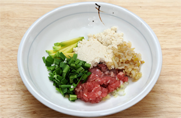
* In a large bowl, combine ground beef, chopped zucchini, chives, mung bean sprouts, tofu, minced green onion, minced garlic, egg, salt (0.5g), sesame oil, black pepper, and perilla seed powder. Mix well until thoroughly combined.
5. **Roll and Cut Wrappers:**
* On a lightly floured surface, roll out each colored dough thinly (about 1-2mm thick).
* Use a round cookie cutter or a glass rim to cut out desired dumpling wrapper shapes. Keep covered to prevent drying.
6. **Assemble the Dumplings:**
* Place a spoonful of filling in the center of each wrapper.
* Moisten the edges with a little water, then fold the wrapper in half to form a semi-circle. Pinch and seal the edges tightly, creating pleats if desired.
7. **Cook Samsaeksogogimandu:**
* Boil water in a large pot. Carefully drop the dumplings into the boiling water. Cook until they float to the surface and the wrappers become translucent (3-5 minutes).
* Alternatively, steam the dumplings for 8-10 minutes until cooked through.
8. **Serve:** Ladle hot broth into bowls. Add the cooked Samsaeksogogimandu and garnish with a few slivers of green onion or a dash of sesame oil.
## History of Mandu
Mandu, Korean dumplings, have a rich history dating back to the Goryeo Dynasty (918-1392). They are believed to have originated in Mongolia or China and were introduced to Korea. Samsaeksogogimandu, with its “three colors” (Samsaek), highlights the traditional Korean aesthetic of incorporating natural colors from ingredients to create visually appealing and nutritionally balanced dishes. These colorful dumplings were often prepared for special occasions and holidays, symbolizing prosperity and good fortune due to their resemblance to ancient Korean coins. The vibrant hues of green (spinach), orange (carrot), and white (plain dough) reflect a deep appreciation for nature’s bounty and culinary artistry.
## Nutrition
Based on official MFDS data, Samsaeksogogimandu offers a balanced profile.
* **Calories:** 203.8 kcal per serving
## Mom’s Tips for Perfect Mandu
1. **Squeeze Out Moisture:** Ensure you thoroughly squeeze out all excess water from the blanched vegetables and tofu for the filling. This prevents a watery filling and helps the dumplings hold their shape during cooking.
2. **Dough Resting is Key:** Don’t skip the 30-minute resting time for the doughs. It allows the gluten to relax, making the dough much easier to roll out thinly without tearing, resulting in tender wrappers.
3. **Seal Tightly:** When assembling, make sure to seal the dumpling edges very tightly. A loose seal can cause the filling to leak out during cooking, ruining the texture and flavor.
## FAQ
**Q: Can I freeze Samsaeksogogimandu?**
A: Yes! Arrange uncooked dumplings in a single layer on a parchment-lined tray and freeze until solid. Once frozen, transfer them to an airtight container or freezer bag. Cook from frozen in boiling broth or water.
**Q: What can I use if I don’t have Korean chives (Buchu)?**
A: You can substitute with regular chives or finely chopped green onions, though the flavor will be slightly different. Korean chives have a bolder, garlickier flavor.
📸 Recipe Gallery
📺 For reference, here’s a recommended YouTube video related to “삼색소고기만두”.
📹 Video sourced via YouTube. All rights belong to the respective creator.